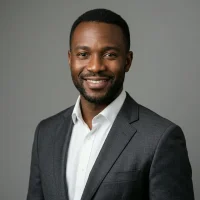
Malik Beasley Denies Betting Scheme Involvement
Malik Beasley is facing a familiar kind of heat, the kind that lands fast when gambling allegations touch pro sports. For readers following the Malik Beasley betting scheme story, the key issue is not just what was alleged, but how quickly a player can get dragged into a cloud that affects reputation, contract talks, and public trust. That matters now because leagues, teams, and sportsbooks all operate under tighter scrutiny than they did a few years ago. One accusation can ripple across a season. And in basketball, where betting markets move on every possession, the line between speculation and evidence has become a very expensive one.
What stands out in the Malik Beasley betting scheme case
- Beasley has denied involvement in any betting scheme.
- The story sits in a period of rising gambling scrutiny across pro sports.
- Even unproven claims can damage a player’s market value and locker-room standing.
- Sports betting investigations now draw fast attention from teams, leagues, and regulators.
That last point is the real pressure point. A player does not need a formal charge to feel the damage. Rumor alone can change how front offices, sponsors, and fans react.
Why this matters beyond one player
The Malik Beasley betting scheme headline lands in a league that has spent years trying to balance gambling revenue with integrity concerns. The NBA has already dealt with gambling-related scrutiny in other cases, and every fresh allegation reopens the same questions. How much access should players have to betting markets? Who monitors unusual behavior? And what happens when public suspicion moves faster than official findings?
Once gambling becomes part of the business model, every rumor about betting conduct carries more weight than it used to.
That is the uncomfortable reality. Leagues sell betting tie-ins because they drive engagement, but they also inherit the risk that comes with them. It is a bit like building a kitchen inside a race car. It can work on paper, but one spark changes the whole conversation.
What a denial changes, and what it does not
A denial matters because it gives Beasley a clear position. It also puts the burden back on investigators, reporters, and anyone making a claim. But a denial does not close the book. If anything, it raises the standard for proof.
That is why these cases move slowly, even when the news cycle wants speed. Teams do not want to overreact and punish a player without facts. They also do not want to ignore a real integrity problem.
What readers should watch next
- Whether any league or law enforcement statement follows.
- Whether team officials limit his role or issue a public response.
- Whether credible reporting adds new evidence, not just chatter.
- Whether the story fades or gets pulled into a broader investigation.
Look, sports betting stories often come wrapped in noise. The smart move is to separate allegation from evidence, then watch who confirms what. Anything less turns journalism into rumor recycling.
Beasley now has to deal with a story that may linger even if nothing comes of it. That is the brutal math of modern sports media. If the facts stay thin, does the market correct itself, or does suspicion keep doing the damage?
What the Malik Beasley betting scheme story says about pro sports now
This case is a reminder that the gambling era has changed the burden on athletes. Players are no longer judged only on points, wins, and losses. Their social posts, relationships, and off-court choices can all get folded into a betting narrative.
For teams and leagues, the lesson is plain. Integrity systems need to be stronger than the headlines. For everyone else, patience matters. The loudest claim is not always the truest one.
The next update will matter more than the noise around it. Until then, the real question is simple. Who has actual evidence, and who is just feeding the machine?