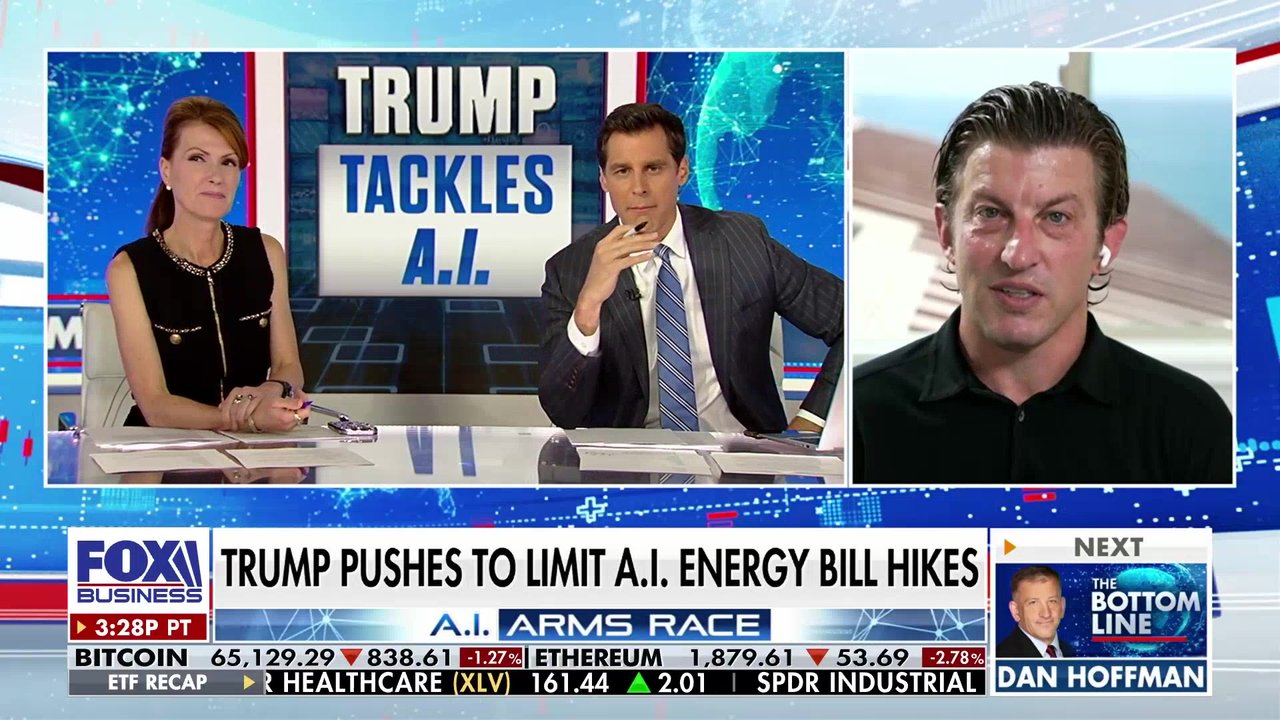
Light & Wonder CEO on Prediction Markets and Gambling
The gambling business has a new topic it cannot stop talking about. Prediction markets. If you follow casino stocks, sports betting, or gaming regulation, you have probably seen the debate pick up speed over the past few months. The reason is simple. These platforms sit in a gray area that looks part trading venue, part betting product, and that makes operators, investors, and regulators pay close attention. In comments covered by GamblingNews, Light & Wonder CEO Matt Wilson offered a measured take on where prediction markets may fit and why the wider gambling industry is watching so closely. That matters to you because hype tends to outrun reality in this sector, and smart readers need a cleaner read on what is signal and what is noise.
What stands out right away
- Prediction markets are getting serious attention, but major gaming executives are not treating them as a guaranteed win.
- Light & Wonder CEO Matt Wilson framed the topic with caution rather than boosterism.
- Regulation is still the pressure point, especially where event contracts start to resemble sports betting.
- Long-term value will depend on product quality, user demand, and legal clarity, not headlines alone.
Why prediction markets are suddenly everywhere
Prediction markets let users trade on the outcome of future events. That can include elections, economic indicators, and increasingly, sports-related outcomes depending on what a platform offers and what regulators allow. The pitch is that these contracts are financial instruments, not traditional wagers.
But here is the obvious question. If a user is risking money on an uncertain event and getting paid if they are right, how different does it really feel from betting?
That tension is why gambling executives are paying attention. Sportsbooks see a product that can overlap with their turf. Regulators see a category that may test existing rules. And public companies see a fresh narrative that can move investor sentiment fast, even before the business model is fully proven.
Wilson’s comments, as reported by GamblingNews, reflected interest in prediction markets without buying into the louder claims around them.
What Matt Wilson appears to be saying about prediction markets
Wilson’s stance reads like the view of an executive who has seen enough trend cycles to know better than to clap for every new idea. That is usually the right instinct in gaming. A lot of concepts look sharp in presentations and far less compelling once they hit compliance reviews, customer acquisition costs, and real-world retention data.
Look, Light & Wonder is not a fringe player. It operates across land-based gaming, digital content, and systems, so the company has a broad view of where demand is real and where it is mostly market chatter. From that position, a cautious take matters.
The big message is not that prediction markets do nothing. It is that their path into the gambling industry is not automatic. That depends on whether regulators allow expansion, whether consumers actually stick with the product, and whether operators can explain why these contracts deserve a place next to sportsbooks, casinos, and other established formats.
Prediction markets and gambling industry overlap
The overlap is easy to spot. Both models ask users to form a view on uncertain outcomes. Both depend on pricing, liquidity, trust, and fast settlement. Both can attract highly engaged users who think they have an edge.
Still, there are differences that matter.
- Licensing model: Sports betting operators usually work through state-by-state gaming licenses. Prediction market platforms may argue for oversight under commodities or derivatives frameworks.
- User mindset: Bettors often want entertainment first. Prediction market users may approach contracts more like traders, at least in theory.
- Product design: A sportsbook is built around odds, parlays, promos, and live betting. A prediction venue leans on contract pricing and market mechanics.
- Regulatory risk: If sports event contracts expand, conflict with gaming regulators becomes much harder to avoid.
Think of it like two kitchens serving dishes with many of the same ingredients. The menu, rules, and plating are different, but customers may still feel they are ordering a version of the same meal.
Why gambling companies are not rushing blindly
Public gaming companies have learned the hard way that buzz does not always become revenue. Daily fantasy sports changed the market, but not in the exact way early evangelists promised. Early metaverse chatter came and went. Crypto gambling drew intense interest, then hit trust and compliance questions.
This is why Wilson’s restraint feels grounded.
For suppliers and operators, prediction markets raise practical issues:
- Will regulators permit broader event categories?
- Will lawmakers see these products as workarounds to sports betting rules?
- Can platforms build enough liquidity to make pricing useful?
- Will mainstream users understand the interface without friction?
- Can the economics support marketing, compliance, and tech costs?
Honestly, those are not side questions. They are the business.
What this means for the broader gaming sector
If prediction markets gain traction, the biggest effect may not be direct competition right away. It may be pressure on how regulators define betting products and who gets to offer them. That is where this story gets seismic for operators and suppliers.
State-licensed sportsbooks have spent years paying for market access, compliance systems, tax obligations, and consumer safeguards. If another channel can offer a similar experience under a different framework, expect pushback. Hard pushback.
And that matters for companies like Light & Wonder, which operate in a deeply regulated environment and build around long-cycle commercial relationships. They cannot base strategy on legal guesswork. They need stable rules, durable demand, and products that survive scrutiny.
Could prediction markets become a real threat to sportsbooks?
Maybe, but the short answer is not yet.
Sportsbooks still have major advantages in brand recognition, event coverage, in-play features, customer databases, and product familiarity. They know how to merchandize sports. They know how to keep casual users engaged. Prediction platforms may attract a certain type of user, but broad consumer adoption is a different test entirely.
There is also a trust issue. Mainstream bettors already know what a sportsbook is. Ask them to trade contracts on event outcomes through a market-style interface and some will get it right away. Many will not. That learning curve matters more than enthusiasts like to admit (especially on mobile, where clarity wins).
Where prediction markets may find an opening
The strongest opening is with users who like the language of trading, data-driven positioning, and price discovery. Political contracts and macro event contracts already fit that mold better than a standard betting app does. Sports is trickier because the overlap with betting becomes impossible to ignore.
That is where regulators will likely keep asking the same thing. Is this meaningfully different, or is it sports wagering wearing a finance badge?
What smart readers should watch next on prediction markets
If you want a cleaner read on where this goes, watch actions instead of slogans.
- Regulatory decisions: They will shape the market faster than any executive sound bite.
- User growth and retention: Curiosity at launch is cheap. Repeat activity is the real test.
- Product simplicity: If the experience feels clunky, scale will stall.
- Industry response: Sportsbooks, suppliers, and trade groups will not stay quiet if core categories start to blur.
- Court and agency disputes: These may decide whether event contracts stay niche or move mainstream.
Wilson’s comments are useful because they cut through the easy storyline. The lazy take is that prediction markets will either replace sportsbooks or flame out. Real markets rarely work that way. They expand in fits, hit legal walls, adapt, and sometimes carve out a lane nobody expected.
The part worth remembering
Matt Wilson’s view, at least from what was reported, feels like the adult answer in a noisy room. Prediction markets may matter. They may even reshape parts of the gambling industry over time. But none of that is preloaded.
For now, prediction markets are a live regulatory and commercial test, not a finished industry verdict.
The next phase will come down to who can prove these products deserve room in the market, and who can explain why the rules should bend for them.