Sports Betting Expansion States: Where Operator Money Is Going
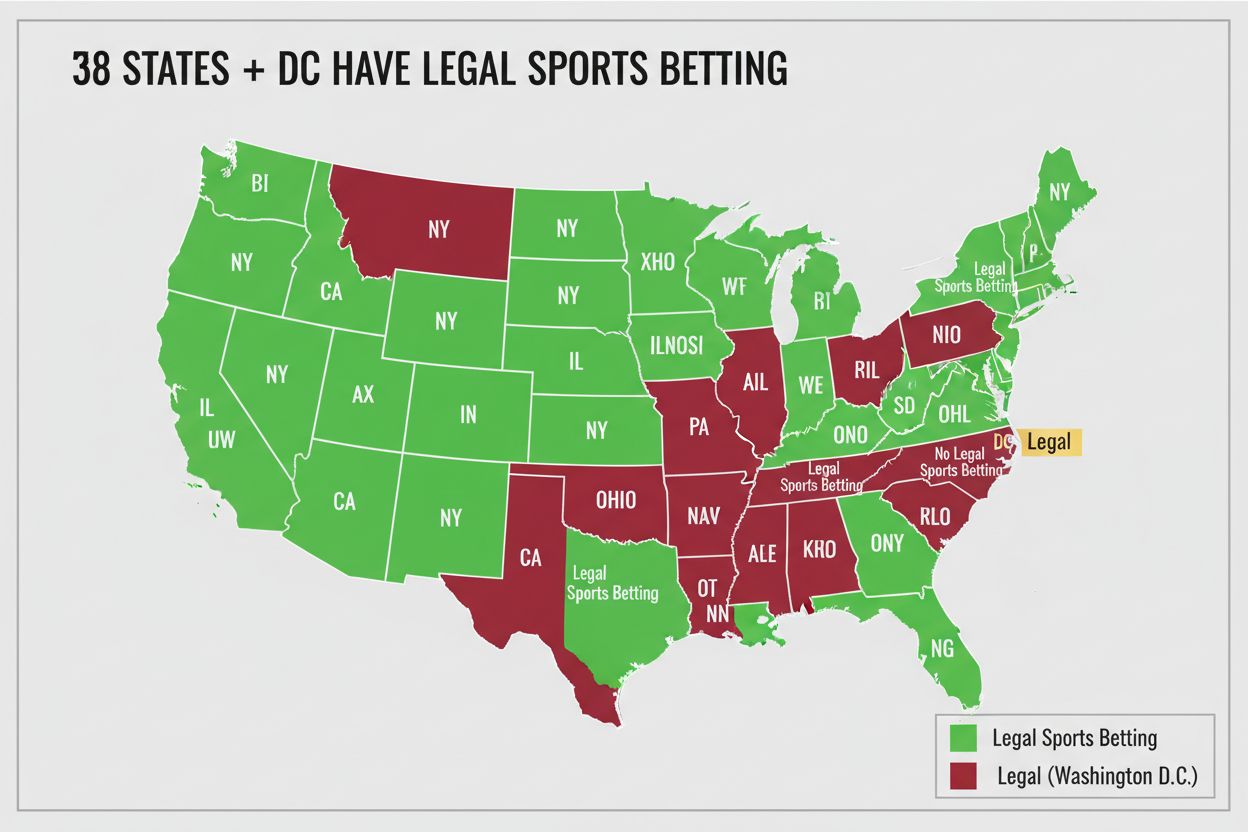
You can usually tell where the US betting industry wants to go next by following the money. Sports betting expansion states are drawing heavy spending from operators, lobbying groups, and market access partners because a new state launch can shift market share fast. That matters now because the easy wins are mostly gone. The biggest brands already operate in many legal states, so the next phase is tougher, pricier, and more political. If you want to understand who is pushing hardest, what tactics they use, and which states may face the most pressure, start with campaign spending and legislative activity. The pattern is pretty plain. Companies are investing early, even before a bill passes, because waiting until the debate is public is often too late.
Where the pressure is building
- Operators are spending in states that could legalize sports betting in the next legislative cycle.
- Campaign donations and lobbying outlays are often early signals of market interest.
- Big brands want first-mover advantage, especially in large or strategically placed states.
- Lawmakers should expect more organized pressure as neighboring states collect tax revenue.
Why sports betting expansion states matter so much
For major operators, mature markets only go so far. Customer acquisition gets expensive, promo spending stays high, and margins tighten once every big app is fighting for the same bettor. So where do they look next? Fresh states with population scale, favorable rules, and a realistic path through the legislature.
That is the real engine behind the push into sports betting expansion states. A new market can deliver years of upside if the tax rate is workable and online betting is included. Retail-only legalization gets headlines, but mobile betting is what companies really want because that is where volume tends to land.
Follow the legislative map, then follow the money. The second often tells you more than the first.
How operators try to shape new markets
The playbook is familiar, even if the local politics change. Operators and their allies put money into campaign contributions, hire lobbyists with statehouse ties, and back trade groups that can make the case for jobs, consumer protection, and tax revenue. Sometimes they work directly. Sometimes they work through a web of consultants, local partners, and advocacy groups.
Look, this is not unique to sports betting. It works a lot like real estate development. The public usually sees the ribbon cutting. The real fight happened months earlier in zoning meetings, private calls, and budget discussions.
Common tactics in sports betting expansion states
- Campaign contributions to lawmakers or party organizations with influence over gaming bills.
- Lobbying contracts with firms that know committee chairs and procedural choke points.
- Local partnerships with tribes, casinos, racetracks, or sports teams to build political support.
- Public messaging focused on tax revenue, consumer safeguards, and keeping bettors away from offshore books.
And yes, timing matters. Money often shows up before the public debate gets loud, which tells you companies are trying to shape the rules early, not react to them later.
What the Legal Sports Report story signals
The reporting from Legal Sports Report points to a basic truth. Operators are putting real cash into states viewed as possible future markets, even when legalization is uncertain. That is a strong sign that companies believe the next wave of growth will come from political wins, not from squeezing a few more users out of states that are already crowded.
This is where readers should stay skeptical. Spending money in a state does not mean legalization is close. It means the industry sees an opening worth testing. Some states stall for years because of tribal exclusivity issues, constitutional barriers, anti-gambling sentiment, or fights over who gets licenses and tax revenue.
One check matters more than the press release.
Which factors decide whether sports betting expansion states actually launch
A state can attract operator interest and still go nowhere. The path depends on a handful of hard variables, and they tend to matter more than public enthusiasm alone.
1. Political alignment
If the governor, legislative leadership, and key committee chairs are split, a bill can die quietly. Gaming bills rarely move on public support alone. They move when enough power centers agree on who benefits and who gets cut in.
2. Tribal and casino relationships
In some states, tribal gaming compacts are the whole ballgame. If a proposal threatens existing rights or revenue, expect resistance. In others, commercial casinos and racetracks want control, which creates a different fight.
3. Mobile betting access
Operators care deeply about whether online wagering is allowed statewide. A retail-only setup can satisfy a political compromise, but it usually limits market size. That can cool operator enthusiasm fast.
4. Tax rate and license structure
High tax rates may sound good in a campaign ad, but they can distort the market if they leave little room for competitive odds, marketing, and product investment. New York proved that brands will still enter a high-tax market if the prize is large enough, but not every state has New York’s scale.
5. Ballot or constitutional hurdles
Some states need voters to approve expansion. Others may require constitutional changes or lengthy legal review. That slows everything down and raises the cost of the political campaign.
What lawmakers and local stakeholders should watch
If you are tracking a state bill, watch the details more than the headline. Two proposals can both legalize sports betting and still produce very different outcomes for consumers, operators, and tax collections.
- Who gets licenses, including whether national operators must partner with local entities.
- Whether mobile is included, and how many skins each license holder can offer.
- The tax formula, especially whether promo deductions are allowed.
- Responsible gambling rules, including funding for treatment and ad limits.
- Enforcement plans for offshore books and unlicensed marketing.
Honestly, this is where many public debates get thin. People argue over whether sports betting should exist, while the more durable issue is how the market is built once it does.
What this means for bettors and the wider industry
For bettors, expansion usually means more legal options, stronger consumer protections, and easier payments. But the quality of the market depends on competition. A state with a small number of licenses and steep taxes may offer less attractive odds and fewer promos than a more open setup.
For the industry, the scramble for sports betting expansion states is a sign of a maturing cycle. The gold-rush phase is fading. What replaces it is a slower, more political contest where access, regulation, and local alliances can matter as much as brand strength (sometimes more).
What to watch next
The next clues will come from state campaign finance records, lobbying disclosures, and pre-filed gaming bills. Those documents can look dry, but they often reveal the real map before the headlines catch up. If operator spending keeps rising in a handful of target states, expect the pressure campaign to intensify. The open question is simple: will lawmakers build competitive markets, or just sell access to the highest bidder?