Illinois Prediction Markets Tax Plan Puts Pressure on Traders
Illinois is taking aim at prediction markets with a new tax plan that could change the economics of every trade. That matters because these platforms sit in a tricky spot between finance, gaming, and online wagering, and lawmakers are starting to treat them like a revenue source instead of a novelty.
If you trade on market outcomes, or if you run a platform that matches those trades, the bill is not a side story. It could shape fees, liquidity, and even which products survive in the state. And yes, the timing matters. States are hunting for fresh tax base, while prediction markets are drawing more users, more attention, and more scrutiny from regulators who do not always speak the same language.
Look at the structure of this debate and you can see the tension. Illinois wants money from activity that looks financial on the surface and betting-like underneath. Where does that leave the user who just wants a clean, low-friction market?
What Illinois plans to tax
- Transactions tied to prediction market activity.
- Platform-level trading flows, depending on how the final rule is written.
- Potentially both retail activity and business operations if lawmakers broaden the bill.
The core idea is simple. Illinois wants to tax the movement of money through prediction markets, not just the final profit. That is a bigger deal than it may sound like at first glance, because transaction taxes can hit volume hard. Even a small charge can change how often people trade, especially in markets where margins are thin.
This is why the proposal feels more like a toll booth than a modest fee. Every trade pays the toll. Do that enough times and the market starts to look different.
Prediction markets live on tight spreads and active participation. Add friction at the transaction level, and liquidity can dry up faster than lawmakers expect.
Why prediction markets are under the microscope
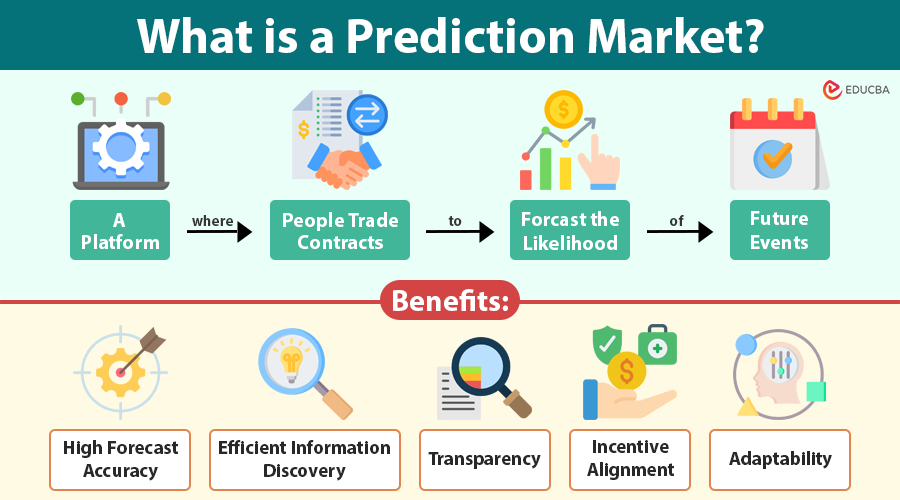
Prediction markets have been growing because they give users a way to trade on event outcomes, from elections to sports and policy questions. Kalshi and Polymarket are two names that often come up in this space, though the legal treatment of each product can differ based on structure and jurisdiction.
Regulators see something else. They see event contracts, wagering behavior, and a product that can slide between categories depending on who is defining it. That ambiguity is exactly why state lawmakers keep circling the sector. They can frame it as consumer activity, financial speculation, or gambling-adjacent behavior, and each framing opens a different tax door.
And that ambiguity is the whole game. If a product can be taxed like betting in one context and traded like a contract in another, states will keep testing the edges (usually with a lawyer standing nearby).
How the tax could hit traders and platforms
For traders, the biggest risk is simple. Higher transaction costs usually mean less activity. If a user pays more on every entry and exit, short-term trading gets less attractive, and small positions may stop making sense at all.
For platforms, the pressure is operational. They may need to change pricing, adjust market design, or limit access in Illinois if compliance becomes too costly. That kind of response is common in regulated markets. Nobody wants to keep a product live if the economics collapse under tax drag.
- Lower liquidity, because fewer trades usually means thinner markets.
- Wider spreads, as market makers price in the extra cost.
- Platform pullback, if Illinois becomes too expensive to serve.
- User migration, with traders moving to jurisdictions with cleaner rules.
Think of it like adding extra weight to a race car. It still moves, but the whole setup changes. Prediction markets depend on speed and volume, so even a modest tax can have outsized effects.
What this means for regulation and compliance
The tax proposal also signals a broader shift. Illinois is not only looking at what prediction markets are. It is looking at what they do, how money moves through them, and who should pay for that activity. That is a familiar playbook in gambling policy, and it rarely stops at one state.
Other states tend to watch closely when one large market tests a new rule. If Illinois gets traction, similar proposals could follow elsewhere. If it faces pushback, lawmakers may still copy the language with smaller adjustments. Either way, operators should not assume this stays local.
The real question is whether states want prediction markets to function like financial products or taxable wagering channels. They cannot have it both ways forever without creating messy compliance headaches.
What operators should watch next
- How the final bill defines a taxable transaction.
- Whether exemptions apply to market makers or institutional users.
- How enforcement will work across state lines.
- Whether platforms respond by blocking Illinois users.
What traders should do now
If you use prediction markets, read the fee schedule and the terms of service before you assume the impact will be tiny. A tax can show up directly on the trade, or indirectly through wider spreads and lower payout values. Either way, the cost lands somewhere.
Platform operators should model three scenarios. Mild tax burden. Moderate burden. Heavy burden that forces product changes. That exercise will tell you more than the press release ever will.
And if you are a policymaker, the practical issue is not whether prediction markets are trendy. It is whether the tax you choose leaves a market that still works. If the product loses liquidity, who really benefits?
What comes next for Illinois prediction markets tax
Illinois has picked a fight that other states are likely to study closely. The tax plan puts prediction markets into a sharper regulatory frame, and that could push platforms to rethink where they operate and how they price access.
For now, the sector is in a familiar spot. Growth is attracting attention. Attention is bringing taxes. And taxes, once they arrive, tend to reshape the market more than the original debate ever did.
Watch the final legislative language. That will tell you whether Illinois is aiming for a small revenue grab or a much bigger reset for prediction markets.