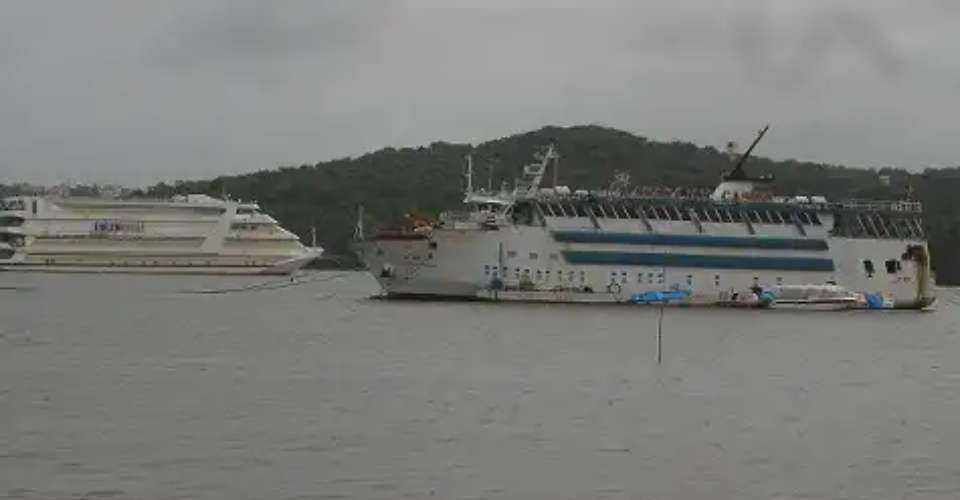
Goa Casino Boat Ban on the Mandovi River
If you track India gaming policy, the new Goa casino boat ban matters for one simple reason. It shows how quickly expansion plans can run into legal and political walls. The Bombay High Court at Goa has prohibited the launch of a new casino vessel on the Mandovi River, a move that hits one operator directly but also sends a wider signal to the market. That signal is hard to miss. River-based casino gaming in Goa already sits at the center of local tension over tourism, licensing, public space, and environmental pressure. So if you are an operator, supplier, investor, or policy watcher, you need to read this as more than a local dispute. You are looking at a stress test for how India handles gaming growth when public resistance gets louder.
What stands out
- The court blocked a new casino boat from starting operations on the Mandovi River.
- The ruling adds fresh uncertainty to Goa’s offshore casino model.
- Operators now face sharper legal and political risk around expansion.
- The fight is not just about one vessel. It is about capacity, public tolerance, and the future shape of casino gaming in Goa.
What the Goa casino boat ban actually means
The immediate point is narrow. A new casino boat cannot begin operations on the Mandovi River under the court’s order. But the practical effect is wider, because Goa’s offshore casino business depends on a fragile arrangement between licensing, court scrutiny, and state policy.
Look, this market has always had an awkward setup. Casinos are allowed in a limited form, but they remain politically sensitive. Floating casinos became the workaround, parked on the Mandovi while debate over relocation and regulation dragged on for years.
Goa’s casino policy has long worked like temporary scaffolding around a permanent building problem. It holds things up, but nobody really believes it can stay that way forever.
That is why this ruling matters beyond one launch. It suggests the courts are willing to slow growth when policy and public interest questions remain unsettled.
Why the Mandovi River keeps drawing legal heat
The Mandovi River is more than a business location. It is also a civic flashpoint. Residents, activists, and some political groups have pushed back for years against river congestion, visual impact, environmental strain, and the broader social cost tied to casino operations.
And that pressure does not fade just because gaming revenue is attractive.
Goa’s governments have often tried to balance tourism income with public anger. That balancing act rarely looks stable. One side wants jobs, visitor spending, and tax receipts. The other sees a riverfront shaped by stopgap policy and repeated delays on relocation promises.
Ask yourself a basic question. If the state still has not settled where and how casino expansion should happen, why would any court wave through a fresh vessel without a hard look?
What operators should take from the Goa casino boat ban
If you run gaming assets in India, the lesson is plain. Legal approval on paper does not erase operational risk on the ground. A permit, a vessel, and a launch plan can still get trapped in litigation, public interest claims, or a policy reversal.
That should change how you assess Indian market exposure (especially in states where gaming rules are politically loaded). Expansion models that depend on administrative flexibility now look shakier.
Practical risks operators should reassess
- Licensing durability. Can the business survive if a court pauses or narrows use rights?
- Political timing. Is expansion happening near elections, policy reviews, or local protests?
- Location dependence. Does revenue rely too heavily on one contested site like the Mandovi River?
- Reputation drag. Will a public backlash hurt partnerships, staffing, or tourism positioning?
- Capital recovery. If a vessel sits idle, how fast does the investment story break down?
Honestly, this is where weak strategy gets exposed. Too many gaming businesses treat legal clearance as the finish line. In markets like Goa, it is closer to the opening whistle.
The bigger policy problem behind the Goa casino boat ban
The deeper issue is that Goa still appears stuck between tolerance and restraint. The state benefits from casino-led tourism, yet it has struggled to present a clean long-term structure for where casinos should operate and under what limits. That policy hesitation keeps creating friction.
Think of it like a city that keeps adding lanes to a road without deciding where the road should end. Traffic builds. Tempers rise. Every new vehicle becomes a public fight.
That is the pattern here. If offshore casinos are temporary, temporary for how long? If relocation is the answer, where is the settled plan? If expansion is acceptable, what is the capacity limit on the river? Until those questions get direct answers, every new development is vulnerable.
How this could affect India’s gaming investment story
India still attracts interest because of its size, tourism base, rising digital adoption, and uneven but real gaming demand. Yet investors do not just price market upside. They price uncertainty. Court intervention in a visible hub like Goa can lift the perceived risk premium around land-based and casino-adjacent projects.
That does not mean capital disappears. It means smarter money gets choosier.
Expect investors and suppliers to look harder at:
- state-by-state legal stability
- revenue concentration in disputed regions
- policy follow-through after public announcements
- the gap between licensing theory and operating reality
For global readers, this may sound familiar. Gaming markets from Southeast Asia to parts of Latin America have shown the same pattern. A promising opportunity can stall if the political social license is thin, even when the legal route looks open.
What happens next on the Mandovi River
The next phase depends on how Goa’s government, operators, and the courts respond. One path is narrow case-by-case litigation, with each vessel or expansion move argued separately. That would keep uncertainty high. The better path is a firm policy line on capacity, location, licensing, and relocation timelines.
Here is the problem. Governments often prefer ambiguity because it preserves room to maneuver. Businesses hate ambiguity because it wrecks planning. Courts then step in to resolve disputes that policy should have settled first.
So watch for a few signals in the months ahead:
- any appeal or clarification tied to the blocked casino boat
- fresh statements from Goa officials on offshore casino policy
- renewed pressure around relocating vessels off the Mandovi
- changes in local political rhetoric tied to tourism and gaming
Why this ruling matters beyond one boat
The easy read is that one operator hit a roadblock. The smarter read is that the Goa casino boat ban exposes the limits of growth through policy drift. That matters to anyone watching India’s regulated gaming future.
Years of covering this sector teach you one thing fast. Markets rarely break because demand is weak. They break because the rules stay blurry for too long. Goa now has to decide whether river-based casinos are a managed long-term feature or a model it wants to phase out. Until that call gets made, every new launch will look less like expansion and more like a legal gamble.