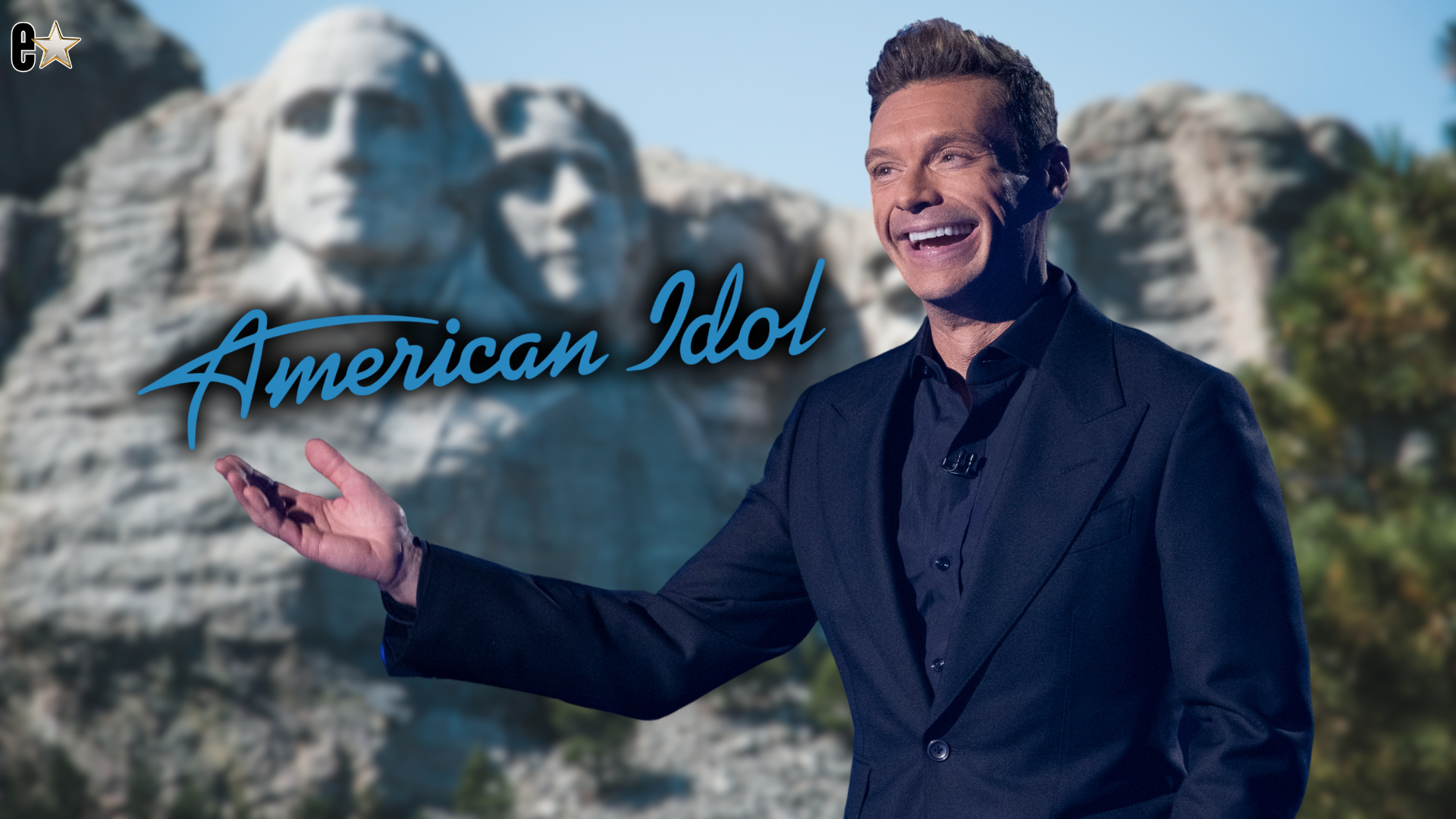
Ryan Seacrest’s American Idol Mount Rushmore
If you have followed American Idol for years, you know the show runs on more than big voices. It runs on personalities, turning points, and the rare cast mix that makes live TV feel loose and alive. That is why Ryan Seacrest’s American Idol Mount Rushmore matters right now. His picks are not random fan service. They show which contestants and judges still define the show’s identity after more than two decades on air.
Seacrest has been there through the chaos, the breakout careers, and the format shifts. So when he points to the faces that belong on that symbolic monument, it gives you a sharp read on what American Idol values most. Talent, yes. But also chemistry, timing, and staying power.
The names that still matter
- Ryan Seacrest framed his American Idol Mount Rushmore around the people who shaped the show’s core appeal.
- His choices reflect both star power and cultural impact, not just vocal ability.
- The list reinforces how much judges and contestants together built the franchise.
- It also says something bigger about what reality TV remembers, and what it forgets.
What Ryan Seacrest said about his American Idol Mount Rushmore
According to NBC24, Seacrest revealed his personal American Idol Mount Rushmore while reflecting on the people who made the show special. He described the experience warmly, saying, “We had such a great time.” That line sounds simple, but it explains a lot. The show worked best when the competition, criticism, and backstage energy clicked at once.
Look, nostalgia can be cheap. But in this case, Seacrest’s comments carry weight because he has served as the steady center of American Idol since its launch. Few TV hosts have had a front-row seat to this many careers, clashes, and reinventions.
“We had such a great time.”
That is the kind of quote fans latch onto because it points to something viewers felt too. The best American Idol seasons were not polished like a corporate product. They were messy in the right way, more like a great live concert than a scripted drama.
Why Ryan Seacrest’s American Idol Mount Rushmore stands out
A Mount Rushmore list is always subjective. That is the point. But Seacrest’s version stands out because he is balancing two jobs at once. He is speaking as a host who watched the machine work from inside, and as a public face who knows what the audience still cares about years later.
Who makes a list like this matter? Usually, it is someone who saw the full arc, not just the headlines.
And that is where his perspective beats the usual social media ranking. Fans often judge American Idol by favorite seasons or biggest winners. Seacrest is more likely to weigh who changed the temperature of the room, who shifted the show’s reputation, and who gave it repeat value week after week.
What makes someone worthy of an American Idol Mount Rushmore?
The phrase sounds playful, but the standard is actually pretty tough. To belong on an American Idol Mount Rushmore, a person needs more than one hot moment. They need a mix of cultural relevance, show-defining presence, and long-tail impact.
Here is the practical test:
- Did they change how viewers saw the show? Think of a contestant or judge who altered expectations.
- Did they create memorable TV? Great singing helps, but this is still television.
- Did their influence last? A real icon keeps showing up in the conversation years later.
- Did they help build the American Idol brand? Some names became bigger than the stage itself.
Honestly, that last point matters more than fans like to admit. Reality competition shows are part talent contest, part casting chemistry experiment. Like a basketball team with four stars and no point guard, raw talent alone is not enough.
The bigger story behind the picks
Seacrest’s comments tell us something useful about entertainment history. American Idol was never only about finding the best singer in America. It was about creating weekly must-watch television, then turning standout people into national figures.
That is why the judges matter so much in any serious discussion. Simon Cowell, Paula Abdul, and Randy Jackson helped build the early American Idol tone with sharp criticism, warmth, and catchphrases that entered pop culture. A contestant could crush a performance, but the reaction panel often made the moment stick.
One sentence says it all.
The show succeeded because it found a way to package talent, tension, and personality into something millions wanted to discuss the next morning.
Why fans still care about American Idol legacy
Part of this is simple nostalgia. But part of it is that American Idol still matters in the wider history of music television and celebrity culture. Before streaming platforms and TikTok made fame more fragmented, Idol created mass-audience stars the old-fashioned way. Everyone watched the same performances, then argued about them at work, at home, or online.
That shared experience is harder to build now. So when Seacrest talks about his American Idol Mount Rushmore, fans are really hearing a verdict on an era when mainstream TV still had the power to mint stars at scale.
What viewers can take from Seacrest’s list
- It reminds you that American Idol history is built on people, not formats.
- It highlights the value of hosts and judges, not only winners.
- It shows how legacy comes from consistency over time.
- It invites debate, which is exactly what a good Mount Rushmore should do.
My read on Seacrest’s angle
After covering entertainment stories like this for years, I think Seacrest’s view is less about ranking and more about preservation. He knows TV memory is selective. Some winners fade. Some non-winners become bigger stars. Some judges become inseparable from a show’s DNA even after they leave.
So his American Idol Mount Rushmore is really a filter for relevance. Who still feels essential when you strip away the weekly voting gimmick and production noise? That is the right question.
And it is a better question than asking who had the single best voice.
Where the American Idol conversation goes next
Lists like this never stay settled. New seasons, new judges, and fresh breakout contestants keep changing the argument. But that is why Seacrest’s comments landed. They push fans to think about legacy with a little more discipline and a little less recency bias.
If you are building your own American Idol Mount Rushmore, do not just pick the loudest names. Ask who gave the show its shape. Ask who made it feel alive. Then ask the tougher one. Would American Idol be American Idol without them?