Congress and Prediction Markets: Why Silence Is a Problem
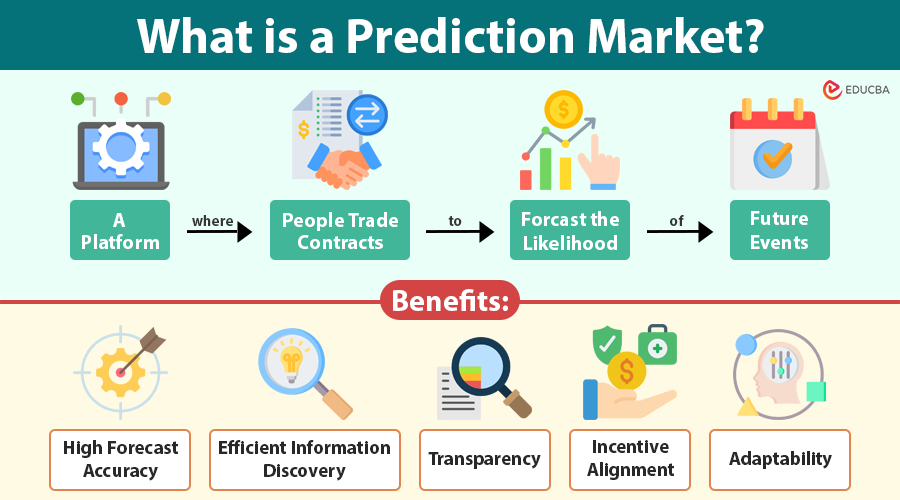
Prediction markets are moving faster than the people who are supposed to oversee them. That matters because these products sit right on the edge of finance, gaming, and event wagering, and the rules around them are still messy. If Congress stays quiet, you get a patchwork where the CFTC, state regulators, tribal interests, sportsbooks, and market operators all pull in different directions. That is bad for clarity and worse for trust. The issue is not academic. It affects who can offer these contracts, what counts as a legitimate market, and whether consumers understand the risk they are taking. And yes, the mainKeyword is now a real policy fight, not a niche legal footnote. What happens when the market grows faster than the rulebook?
What Congress Should Not Ignore
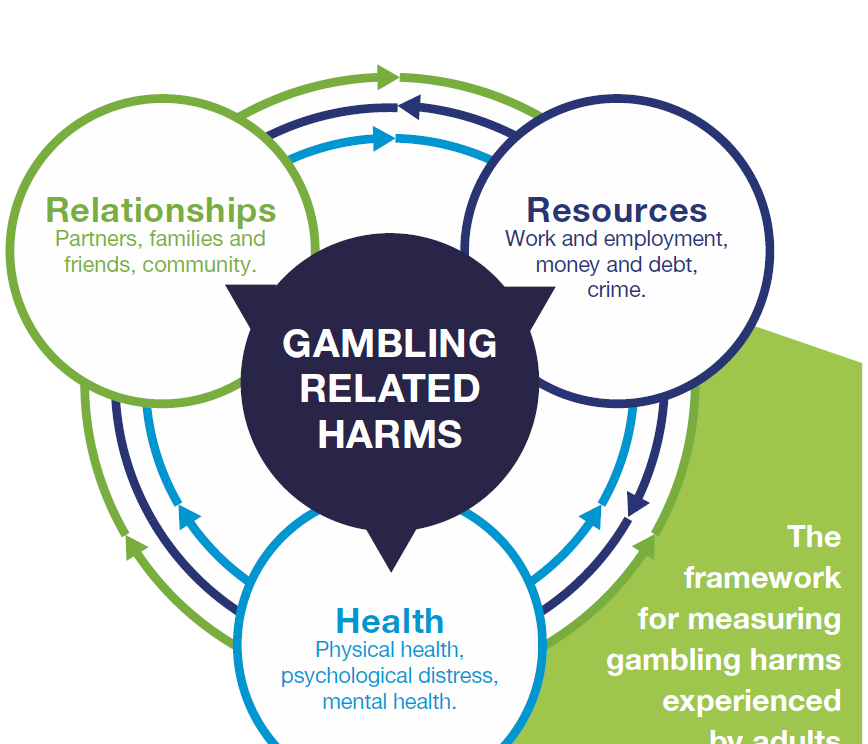
- Prediction markets blur lines between trading, gambling, and financial speculation.
- Federal silence creates uncertainty for operators and regulators alike.
- State gaming interests are watching closely because event-based contracts can look a lot like betting.
- Consumer protection is uneven when the same product can be framed in different legal ways.
Why the mainKeyword debate is heating up
The mainKeyword fight is not really about one product. It is about who gets to define the product in the first place. The Commodity Futures Trading Commission has authority over derivatives, while state gaming regulators focus on gambling law. That split leaves room for legal gamesmanship, and companies know it.
Look, a prediction market can feel like a trading platform on the surface and a sportsbook underneath. That is why lawmakers cannot treat it like a minor regulatory wrinkle. It is closer to building a bridge with two different engineering codes on each side. You can cross it for a while, but eventually somebody asks which standard actually applies.
Congress does not need to micromanage prediction markets. It does need to say whether these products belong in the financial system, the gaming system, or some narrower category of their own.
What the legal gray zone does to businesses
Companies hate uncertainty, even when they say they do not. It changes product design, compliance budgets, and expansion plans. It also forces firms to spend more on lawyers than on better risk controls.
That can slow innovation, but it can also invite weaker actors to push the edge until a regulator pushes back. Nobody wins there. The serious firms get bogged down. The reckless ones get a head start.
Three pressure points operators face
- Licensing risk. A product approved in one framework may be challenged under another.
- Market structure risk. Contract design can make a product look more like a wager than a hedge.
- Consumer disclosure risk. If users do not understand settlement rules, losses, or limits, complaints will follow.
Why the mainKeyword matters to regulators, too
The mainKeyword debate also affects how regulators allocate scarce attention. The CFTC is not built to police everything that resembles a bet. State gaming boards are not built to oversee complex trading-style products. If Congress does not draw a line, both sides end up spending resources on jurisdictional fights instead of actual oversight.
That is not a theory. It is how modern regulatory drift works. First, the product launches. Then the lawyers argue. Then everyone pretends the legal uncertainty is temporary. It is usually not.
What Congress should do now
Lawmakers do not need a giant rewrite to make progress. They need a clean set of questions and a willingness to answer them. A practical path would focus on definitions, disclosures, and venue oversight.
- Define the category. Spell out when an event-based contract is a derivative and when it is gambling.
- Set disclosure standards. Require plain-language risk and settlement terms.
- Clarify jurisdiction. Identify which agency leads and which agencies get consultative authority.
- Protect consumers. Limit misleading marketing and confusing payout claims.
That would not solve every fight. But it would cut down the tactical ambiguity that now helps everyone argue in circles.
What happens if Congress stays quiet?
Then the courts keep getting dragged into policy decisions they were never meant to make. Operators keep testing boundaries. State and federal agencies keep issuing signals that do not line up.
And users, who care far less about the legal theory than the outcome, get a product whose rules can shift after they have already put money on the line. That is not a stable market. It is a moving target.
Honestly, the longer Congress waits, the more expensive the fix becomes. The next step should be simple: force the hearing, define the terms, and make someone own the framework. Otherwise, prediction markets will keep expanding in the legal fog, and that is no way to run a serious market.
Where the debate goes next
Congress has a choice. It can stay passive and let regulators, courts, and companies fight over the boundaries. Or it can set the ground rules before the market gets even harder to contain.
If lawmakers want credibility, they should stop treating prediction markets like a side issue. They are already too important for that.