GameSquare and MNTN Push Esports Advertising Into the Mainstream
If you are trying to reach younger fans, esports advertising is no longer a side bet. Brands want proof that spend turns into attention, and they want it fast. This is where the GameSquare and MNTN partnership matters, because it points to a more direct way to buy media around gaming audiences without relying on vague reach claims. The shift is not subtle. Marketers are asking harder questions about measurement, creator access, and whether their campaigns can hold up outside the usual sports calendar. That pressure is forcing esports and live event advertisers to act more like performance marketers. And honestly, that is overdue.
The bigger question is simple. Can esports inventory finally be packaged in a way that makes sense for mainstream buyers?
What the GameSquare and MNTN partnership changes
- It connects gaming audiences to performance advertising tools. That matters for brands that want more than impressions.
- It raises the bar for esports measurement. Buyers expect cleaner attribution and clearer audience data.
- It helps live events look more like media products. That opens the door to better sponsorship planning.
- It gives creators and teams a stronger sales story. Advertisers usually pay more when the path to results is easier to explain.
GameSquare has spent years building around the creator and esports ecosystem. MNTN brings a performance-minded ad platform that fits brands used to measurable digital buys. Put them together, and you get a signal to the market that esports should be sold with the same discipline as other digital channels.
“Advertisers do not want mystery. They want a clean line from spend to outcome, even if the audience is niche.”
Why esports advertising still gets pushed to the edge
Most media buyers know the problem. Esports audiences are real, engaged, and often hard to package in a way that fits a standard planning deck. Traditional channels have decades of reporting habits behind them. Esports has passion, creator influence, and live attention, but not always the same buying comfort.
That gap is not about audience quality. It is about how the product is sold. If you cannot explain where the ad ran, who saw it, and what happened next, the budget gets trimmed. Simple as that.
Look at it like building a restaurant menu. If every dish comes with a clear price, portion, and ingredient list, people order faster. Esports advertising needs the same kind of clarity. No guesswork. No fog.
What brands should watch in esports advertising
Measurement is the real test
Any partnership in this space lives or dies on reporting. Brands will want to know whether the campaign reached gaming fans, stream viewers, or broader entertainment audiences. They will also want to compare results against connected TV, social video, and creator-led placements.
That is where platforms like MNTN have an advantage. Performance buyers already expect tighter feedback loops. If esports can plug into that habit, it becomes easier to justify spend beyond one-off sponsorships.
Live events need stronger sales packaging
Events are still one of the cleanest ways to sell excitement in gaming. But the sales pitch has to do more than say a crowd showed up. Brands want audience profiles, content extensions, and post-event reach. They want the full stack.
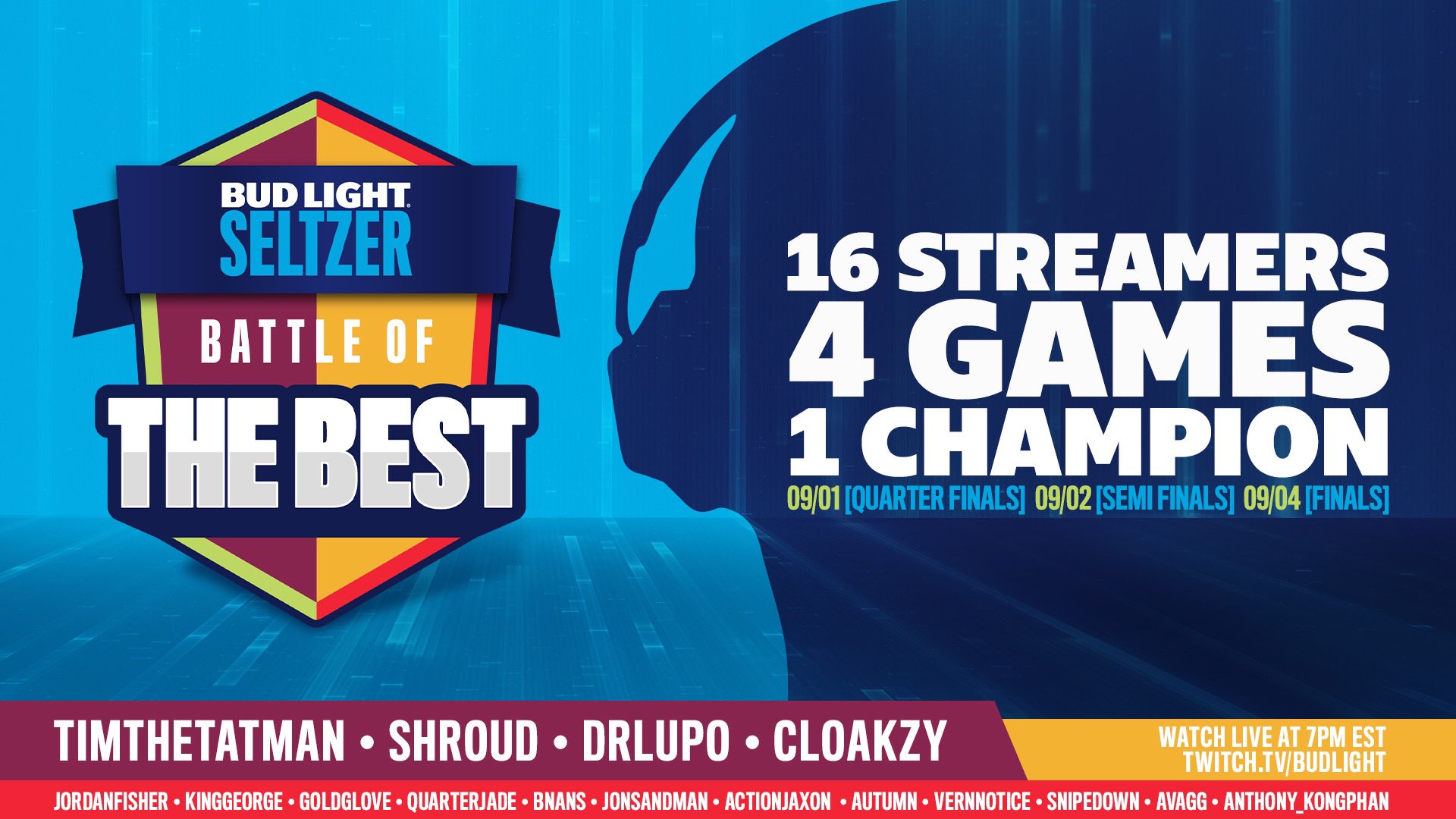
A live finals weekend, for example, can support in-venue exposure, social clips, creator amplification, and retargeting. That mix is more persuasive than a logo on a screen and a handshake.
Creators remain the bridge
Creators still carry a lot of the trust in gaming culture. They translate games into personality, community, and repeat attention. If a partnership can help brands buy into that world without flattening it, the upside is real.
But the creator piece has to stay authentic. If a campaign feels pasted on, viewers spot it in seconds. They always do.
Why this matters for live casino and virtual events too
There is a spillover effect here that people in live casino and virtual events should not ignore. The same demand for measurable, audience-specific buying is shaping how operators and event brands plan campaigns. If esports media can be bought more like performance inventory, similar logic could shape sponsorships, streaming activations, and virtual table experiences.
That does not mean every brand needs to chase gaming fans. It means the buying model is changing. Advertisers now expect tighter audience logic, better creative fit, and fewer empty promises from vendors.
One single sentence matters here: buyers are tired of paying for vague reach.
What advertisers should do next
- Audit your audience assumptions. Do not assume gaming fans respond like general entertainment viewers.
- Ask for proof, not pitch language. Request reporting on exposure, engagement, and downstream actions.
- Test creator-led placements first. Small pilots tell you more than a polished deck.
- Bundle live and digital inventory. Event sponsorship works better when it has a content layer.
- Watch for repeatable formats. If a setup works once, ask whether it can scale across events and seasons.
The smart move is not to chase every shiny gaming property. It is to find the ones with enough structure to survive real budget scrutiny. That is where this partnership feels less like hype and more like a market adjustment.
What comes next for esports advertising
If GameSquare and MNTN can make esports buying feel cleaner, more measurable, and easier to defend in a media plan, other partnerships will follow. That could change how brands view tournaments, creator networks, and live virtual activations. It could also force weaker sellers to improve their reporting overnight.
That is the real story here. Not just another deal, but a shift in how the category is judged. And if the next wave of sponsors starts asking for performance terms instead of vanity metrics, who is ready for that conversation?