Esports Betting Growth in Prediction Markets
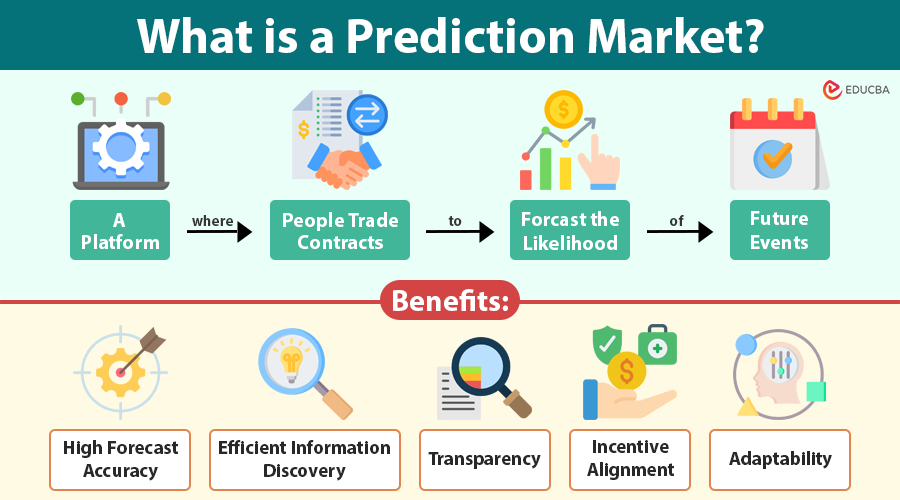
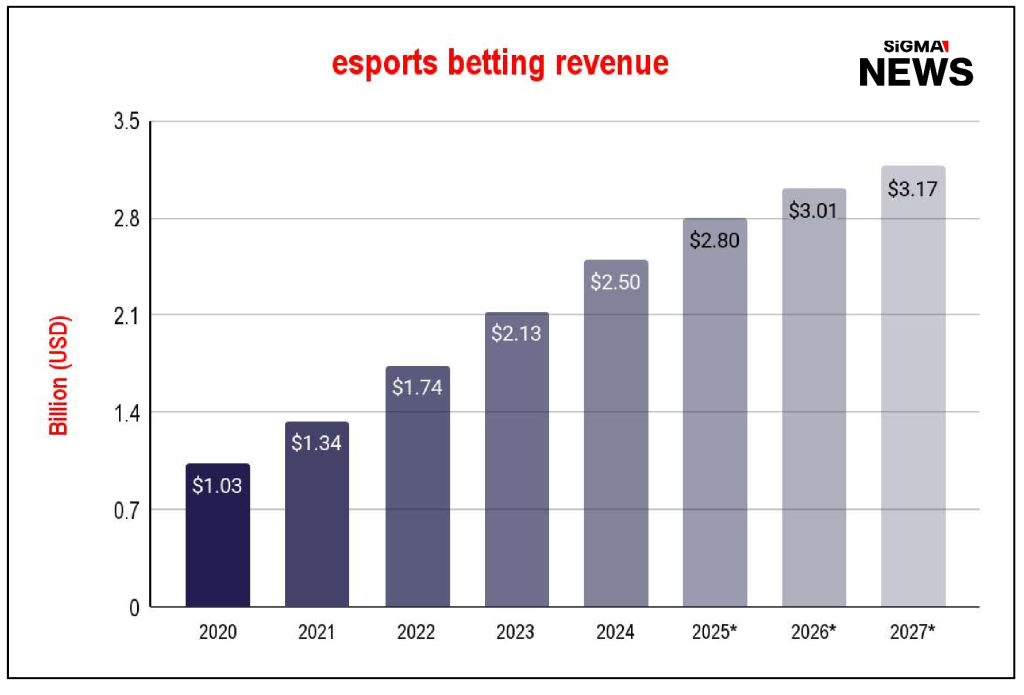
Esports betting growth is getting harder to ignore, but the real story is not simple volume. The market is moving toward prediction markets, tighter product design, and a better grip on what younger bettors actually want. If you run a sportsbook, an affiliate site, or a live event platform, that shift matters now because the old playbook is getting less effective. Price alone will not keep attention. Product quality will. And trust will matter even more.
Look at the pattern. Fans already follow match data, player stats, and live odds in real time. That makes esports feel closer to a trading screen than a traditional sportsbook. So where does the next bit of esports betting growth come from? From products that are fast, social, and easy to understand, with prediction market features that reduce friction and give users a clearer reason to stay.
What the market is saying about esports betting growth
- Prediction markets fit esports behaviour. Players and viewers already react to live momentum.
- Traditional sportsbook UX still lags. Many interfaces were built for football, not for short-form, high-frequency esports markets.
- Trust is now a product feature. Clear settlement rules and transparent pricing can lift retention.
- Data quality matters more than promo spend. If your odds feed is weak, your conversion rate will be too.
- Regulation will shape the winners. Markets that handle compliance cleanly will scale faster.
Why prediction markets fit esports betting growth
Esports does not behave like a Sunday football slate. Matches are shorter, information moves faster, and the audience is more comfortable with live digital interfaces. That makes prediction markets a strong match for the category because they reward quick decisions and constant engagement.
Think of it like a chef working a hot line during service. A slow prep system fails fast. Esports betting works the same way. If your market updates are late or your bet slip is clumsy, users leave before the final map starts.
Prediction markets are not a magic fix. They are a better format for a market that already behaves like a live feed.
The appeal is practical. Users can react to map wins, kill counts, next objective outcomes, and series momentum without digging through a crowded sportsbook menu. That gives you more touchpoints per session, which is where esports betting growth becomes measurable.
What operators should fix first
Operators often talk about acquisition, but retention is where the real money sits. If the market is noisy and the interface feels like it was bolted on after the fact, users churn. Fast.
- Simplify bet placement. Fewer steps mean fewer drop-offs.
- Expose live data clearly. Users should see the reason for the price, not just the price.
- Design for short sessions. Esports fans often arrive for one match, not a four-hour browsing trip.
- Make settlement rules obvious. Ambiguity kills repeat use.
- Match promos to behaviour. Broad bonuses are wasteful when targeted boosts can serve the same job better.
And yes, this is a UX problem as much as a trading problem. If your product team still thinks in football-first terms, you are already behind.
How regulation changes the esports betting growth story
Regulation will not slow everything down equally. It will separate operators that can prove control from those that cannot. That matters in esports because many markets still face extra scrutiny around integrity, age verification, and cross-border exposure.
Careful compliance work does not sound exciting. It is not supposed to. But it is what lets sportsbooks, data partners, and event operators build something durable instead of chasing one good quarter.
What to watch
- Jurisdiction-specific rules on esports wagering.
- Event integrity monitoring and suspicious betting alerts.
- Age and identity checks for younger audiences.
- Disclosure standards for odds movement and market suspension.
The companies that treat regulation as part of product design will move faster later. The others will keep patching problems after launch.
Where affiliates and media partners can still win
For affiliates, the angle is changing too. Broad listicles and generic bonus pages are weaker than they used to be. Users want context. They want to know which titles matter, which markets are active, and why one book handles live esports better than another.
That means content should do more than rank sportsbooks. It should explain game formats, market types, and the practical differences between pre-match and in-play options. A good affiliate site in this space feels closer to an informed analyst than a coupon board.
Here is the thing. If your content cannot explain the bet in plain language, why should a user trust your recommendation?
What comes next for prediction markets and esports betting growth
The next phase is likely to reward operators that combine live data, clean interfaces, and strict compliance. Prediction markets will keep getting attention because they suit the pace of esports and the habits of digital-first fans. But attention alone will not carry the category.
The winners will be the teams that treat esports as its own market, not as a side tab on a general sportsbook. That means sharper pricing, faster UX, and content that helps users make decisions, not just click through. Watch who builds for that. They are the ones shaping the next round of esports betting growth.