DraftKings Florida Lawsuit Targets Sports Prediction Markets
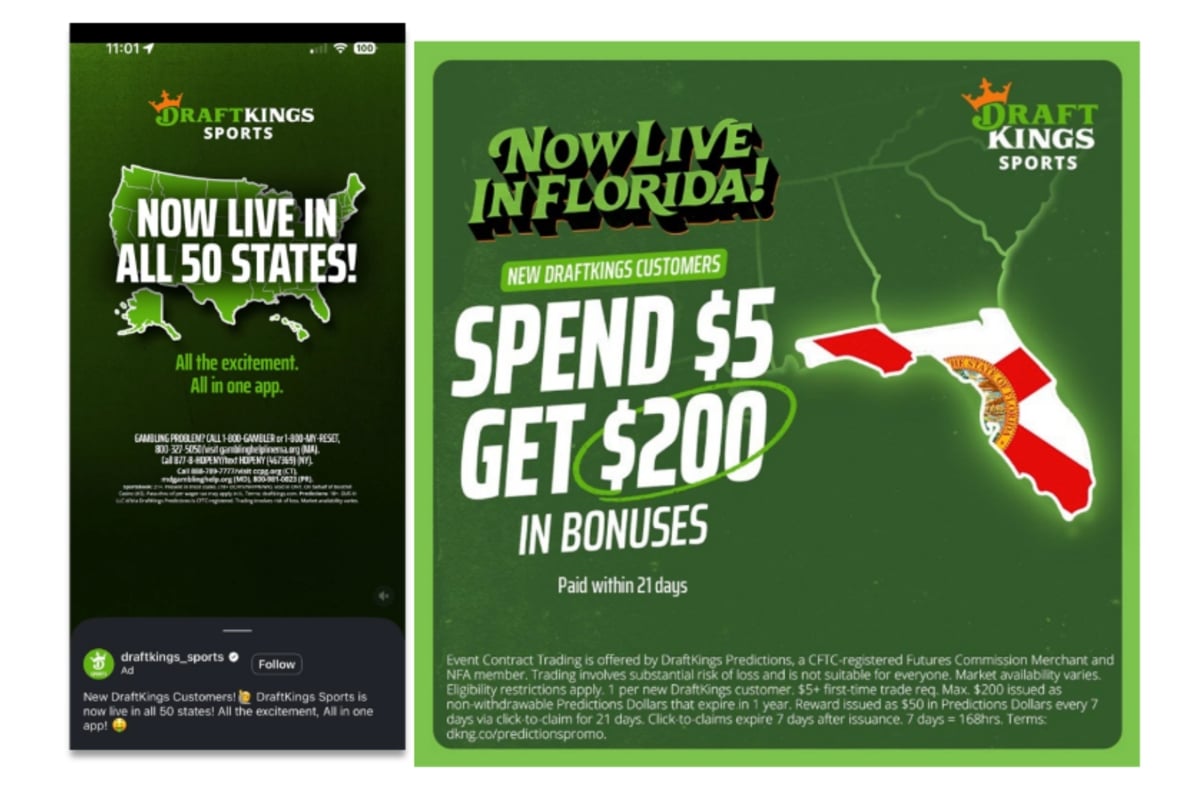
DraftKings is back in a Florida gambling fight, and this one could shape how far sports prediction markets can go. The DraftKings Florida lawsuit, filed by the Seminole Tribe, challenges the company’s sports event contracts and argues they step into territory reserved for the tribe under Florida’s gaming compact. That matters now because prediction markets are moving fast, while state gambling laws still move like plumbing permits. If courts treat sports contracts as betting, operators face a harder road. If they do not, exchanges could gain a new path around state-by-state sportsbook rules. Either way, Florida is a pressure test for the whole sector.
What To Watch In The DraftKings Florida Lawsuit
- The Seminole Tribe says DraftKings’ sports prediction products violate its exclusive sports betting rights in Florida.
- DraftKings is leaning into the argument that federally regulated event contracts are not the same as state-regulated sports wagers.
- The dispute sits at the fault line between tribal gaming compacts, state law, and federal commodities oversight.
- A ruling against DraftKings could chill sports prediction markets in states with strict betting regimes.
- A win for DraftKings could push more gambling-adjacent products toward exchange-style models.
Why The DraftKings Florida Lawsuit Matters
The fight is bigger than one operator, one tribe, or one state. Florida is one of the most valuable sports betting markets in the country, and the Seminole Tribe controls legal online sports betting there through Hard Rock Bet.
According to Legal Sports Report, the Seminole Tribe sued DraftKings over sports prediction offerings in Florida. The tribe argues those offerings infringe on rights tied to its compact with the state. DraftKings, meanwhile, has been testing the edges of prediction products as interest in event contracts grows across sports, politics, finance, and pop culture.
This is the legal equivalent of a goal-line stand.
The core question is simple: if a customer risks money on whether a team will win, does calling it an event contract change what it is?
That question has haunted this category for years. Exchanges say they offer federally regulated contracts. Gambling regulators say many of these products look, feel, and settle like wagers. Both sides have a point, which is why this case deserves close attention.
What The Seminole Tribe Is Arguing
The Seminole Tribe’s position is straightforward. Florida gave the tribe a powerful lane for sports betting, and outside operators cannot swerve into it by changing the label on the product.
That claim rests on exclusivity. The tribe’s compact with Florida has survived major legal scrutiny, including a long-running challenge tied to mobile betting and whether bets placed across the state could legally be treated as occurring on tribal servers. The U.S. Supreme Court declined to take up one major challenge in 2024, leaving Hard Rock Bet’s Florida model standing.
Sports prediction markets add a new wrinkle. They do not always call themselves sportsbooks. They may not offer the same interface, odds format, or bet menu. But if the economic exposure is tied to a sports result, the tribe can argue the substance matters more than the packaging.
The exclusivity issue
Florida’s gaming structure gives the Seminole Tribe a dominant position. That was the bargain. The state gets revenue, the tribe gets control, and other operators are mostly kept out.
So what happens when a company says it is not offering gambling, but a federally overseen financial contract? That is where the DraftKings Florida lawsuit could get messy. Courts may need to decide whether state and tribal gaming rights can block products that claim protection under another federal framework.
DraftKings And The Prediction Market Push
DraftKings has spent years as a conventional sportsbook and daily fantasy sports operator. It knows state gambling regulation inside out. That makes its interest in prediction-style products especially telling.
Why go there? Because sports betting is expensive. State licenses cost money. Tax rates can bite. Promotional restrictions vary. And tribal exclusivity can close off entire markets.
Prediction markets offer a different route, at least in theory. They look more like exchanges, where users buy and sell contracts based on yes-or-no outcomes. A simple contract might ask whether a team will win a game. The price moves as the market updates.
Look, that does not automatically make the product harmless or illegal. But it does make regulators uncomfortable. A sportsbook with a different paint job is still a sportsbook if the legal test focuses on substance.
How Sports Prediction Markets Fit Into US Regulation
The regulatory split is the real story. Sportsbooks answer to state gaming regulators. Prediction markets may point to federal oversight, often involving the Commodity Futures Trading Commission, known as the CFTC.
The CFTC has wrestled with event contracts for years. Political contracts have drawn special scrutiny. Sports contracts are even more sensitive because they sit right next to legal betting markets, league integrity rules, and state gaming policy.
Here is the practical divide:
- State sportsbook model: operators need state approval, follow local rules, pay gambling taxes, and may face market access limits.
- Prediction exchange model: operators frame contracts as commodities or swaps tied to events, with federal oversight as the key compliance path.
- Tribal gaming model: tribes rely on compacts under the Indian Gaming Regulatory Act, with negotiated rights and revenue-sharing terms.
Those systems were not built to overlap neatly. Like a kitchen with three chefs and one stove, conflict was inevitable.
What Could Happen Next In The DraftKings Florida Lawsuit
No one should pretend this is easy to predict. The case could turn on narrow facts, product design, venue, federal preemption arguments, or how the court reads the tribe’s compact rights.
Still, a few outcomes are plausible:
- DraftKings is forced to limit or stop the product in Florida. That would strengthen tribal exclusivity and warn other operators away from similar launches.
- The court allows the product to continue. That would energize prediction market companies and raise alarms among state regulators.
- The case settles. A settlement could avoid a sweeping ruling, but it would leave the industry guessing.
- Federal regulators step in more directly. The CFTC or other agencies could face pressure to clarify where sports contracts belong.
Honestly, the settlement path would not surprise me. Big gambling disputes often end before judges create rules everyone has to live with. But the market needs clarity more than it needs another private truce.
Why Operators And Affiliates Should Care
If you run a sportsbook, media brand, affiliate site, or compliance team, this case should be on your radar. It could change how companies describe products, where they market them, and which partners they use.
The biggest risk is category confusion. Consumers may see a prediction contract and a sports bet as the same thing. Regulators may do the same. That puts marketing language under a microscope.
Practical steps now:
- Review whether your content uses betting terms for prediction market products.
- Track state-by-state guidance, especially in tribal gaming states.
- Avoid implying that federal registration makes a product legal in every state.
- Separate sportsbook affiliate flows from prediction market education pages.
- Document compliance reviews before publishing promotional material.
And ask the basic question before any campaign goes live: would a regulator read this as gambling promotion?
The Bigger Fight Over Betting By Another Name
The DraftKings Florida lawsuit lands at a strange moment. Sports betting is legal in many states, yet operators still want cheaper and broader distribution. Prediction markets promise that. Regulators see the same promise and hear an alarm bell.
The legal label matters, but the user experience may matter more. If a product lets people stake money on sports outcomes, courts and regulators will ask hard questions. They should.
My read after years covering this beat: prediction markets will not disappear, but sports contracts will face the toughest path. Politics already made regulators nervous. Sports adds tribal rights, league relationships, problem gambling concerns, and state revenue fights into one crowded room.
What Comes After Florida
Florida may become the test case that tells operators how aggressive they can be. A narrow ruling could keep the fight local. A broader one could redraw the map for sports prediction markets across the US.
For now, anyone touching this space should treat the DraftKings Florida lawsuit as a compliance signal, not a side story. The next smart move is simple: audit your exposure before the court, or a regulator, does it for you.