Problem Gambling in Sports Betting Rises 61%
You can now place a sports bet from a couch, a bar stool, or a stadium seat, and that easy access is starting to show up in public health data. A GamblingNews report says rates of problem gambling in sports betting have risen by 61% in states that regulate sports wagering. That number should make operators, lawmakers, and bettors pause. Legal betting brought tax revenue, consumer protections, and a cleaner market than offshore books. But it also put fast, repeat betting inside millions of phones. The question is no longer whether legal sports betting is here to stay. It is whether the safeguards are keeping pace with the product.
What Stands Out
- Problem gambling rates reportedly rose 61% in states with regulated sports betting, according to GamblingNews.
- The rise does not prove regulation caused the harm, but it does point to a sharper risk environment.
- Mobile betting, in-play wagers, bonuses, and nonstop sports schedules can increase betting frequency.
- Regulators may face growing pressure to tighten advertising, affordability checks, and self-exclusion tools.
- Bettors should treat time, deposit, and loss limits as basic controls, not emergency measures.
What the 61% Rise in Problem Gambling in Sports Betting Really Means
The 61% figure is blunt, and blunt numbers travel fast. Still, you should read it with care. A rise in problem gambling rates in regulated states can reflect several things at once, including higher participation, better screening, more reporting, and real growth in harmful behavior.
That does not make the number harmless. If a city opens more roads and then sees more crashes, officials do not shrug and blame mobility. They study traffic design, speed, enforcement, and driver behavior. Sports betting deserves the same plain treatment.
Legal sports betting is safer than an underground market only if the legal market keeps harm reduction at the center of its design.
Regulation gives states tools they never had with illegal bookmakers. Licensing, responsible gambling funding, audit trails, age checks, and advertising rules all matter. But a regulated app can still encourage risky patterns if the user experience rewards speed over reflection.
Why Regulated Sports Betting Can Still Create Risk
Legalization often gets sold as a clean fix. Bring betting into the open, tax it, monitor it, and fund treatment. That argument has merit, but it leaves out a hard detail: regulated betting can also make gambling more visible, more socially accepted, and easier to repeat.
Mobile sports betting changed the rhythm of gambling. A bettor no longer has to visit a casino, speak to a bookmaker, or wait for a weekend trip. The friction is gone, and friction can protect people.
That friction is gone.
The product is built for frequency
The highest risk is not always the single large wager. Often, it is the steady drip of bets across games, props, parlays, and live markets. In-play betting can turn one basketball game into dozens of decisions, each one wrapped in fresh odds and a timer.
Think of it like snacking in a kitchen where every cabinet opens by itself. You may still be responsible for what you eat, but the room has been arranged to test your restraint. Betting apps are not neutral spaces, and regulators know it.
Advertising can normalize constant betting
Sports betting ads have become part of the broadcast furniture in many markets. Odds segments, promo codes, boosted parlays, and celebrity endorsements all send the same signal: betting belongs inside the game. For casual adults, that may be entertainment. For vulnerable users, it can be a cue to chase.
Here is the thing. A warning label at the bottom of an ad does not offset a full weekend of aggressive offers. If states want legal betting to keep public trust, marketing rules need teeth.
Problem Gambling in Sports Betting Is a Compliance Issue Now
Operators should stop treating responsible gambling as a side page on a website. The data is moving in the wrong direction, and lawmakers tend to act when public health concerns become visible. Companies that wait for stricter rules will be playing defense.
Better compliance starts with behavior, not slogans. A sportsbook can spot risky signals faster than any regulator because it sees deposits, wager frequency, late-night play, failed payment attempts, and sudden changes in staking. The uncomfortable question is simple: what happens after the system spots those signals?
- Real-time risk flags: Track rapid deposits, failed withdrawals, chasing losses, and sharp increases in bet size.
- Stronger intervention paths: Use cooling-off prompts, limit suggestions, and direct links to support before harm escalates.
- Cleaner bonus rules: Avoid offers that push high-frequency wagering or make losses feel recoverable.
- Ad placement controls: Keep gambling ads away from youth-heavy media and college sports audiences.
- Independent testing: Let outside researchers review safer gambling tools and publish usable findings.
Some operators will say they already do this. Fine. Then prove it with transparent reporting and outside evaluation. Trust is not built through brand campaigns, it is built through measurable restraint.
What Regulators Should Do Next
States have moved at different speeds since the end of the federal sports betting ban in 2018. Some built detailed responsible gambling frameworks. Others focused first on licensing, tax rates, and market launch. That early rush is understandable, but the next phase needs tighter public health standards.
Regulators do not need to ban sports betting to reduce harm. They can set clearer boundaries around the most aggressive parts of the business. The best rules will be boring, specific, and enforceable.
- Require shared self-exclusion: A person who self-excludes should not have to repeat the process across every operator.
- Mandate plain-language limit tools: Deposit, time, and loss limits should be easy to find during signup, not buried after account creation.
- Audit VIP programs: High-value customer teams need strict rules, since heavy bettors may also be high-risk bettors.
- Fund treatment with stable money: Responsible gambling budgets should not depend on leftover political attention.
- Publish state-level harm data: Policymakers need current numbers on helpline calls, self-exclusion, underage attempts, and treatment demand.
There is also a case for slowing down product expansion. Same-game parlays, micro-betting, and live markets may be profitable, but regulators should ask for evidence that safeguards work before approving every new format. Why should the fastest products get the lightest review?
What Bettors Can Do Before Betting Becomes a Problem
You do not need to wait until gambling feels out of control to set limits. The smarter move is to decide your boundaries before the app, the odds, and the emotion of a close game start pressing on you. That sounds basic because it is.
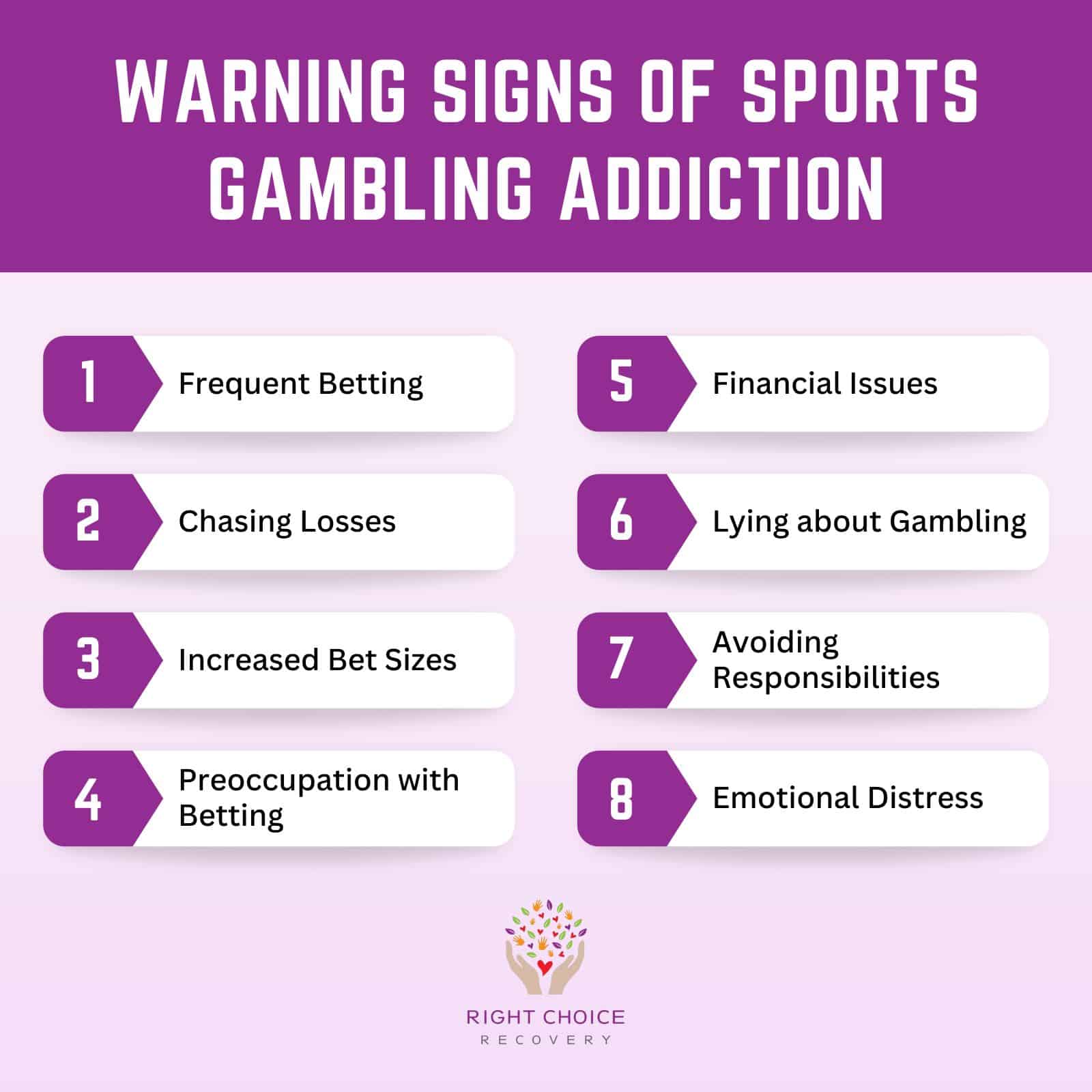
Set a fixed monthly betting budget and treat it like money spent on tickets or streaming, not as an investment account. Turn on deposit limits before your first bet. If you notice you are betting to recover losses, hiding activity, or feeling restless when you stop, step away and use a cooling-off tool.
And if a friend keeps talking about bets with panic instead of enjoyment, say something. Awkward beats silent. The National Council on Problem Gambling and state helplines can connect people with confidential support, and many states offer self-exclusion programs.
The Next Test for Legal Sports Betting
The 61% rise reported by GamblingNews should not be used as a lazy argument to push all betting back underground. That would ignore the consumer protections legal markets can provide. But it should end the fantasy that legalization alone solves gambling harm.
The next test is whether states and operators can make the legal market safer without waiting for a scandal to force their hand. If they cannot, the backlash will not come from anti-gambling activists alone. It will come from ordinary sports fans who thought the deal was entertainment with guardrails, not a casino in every pocket.