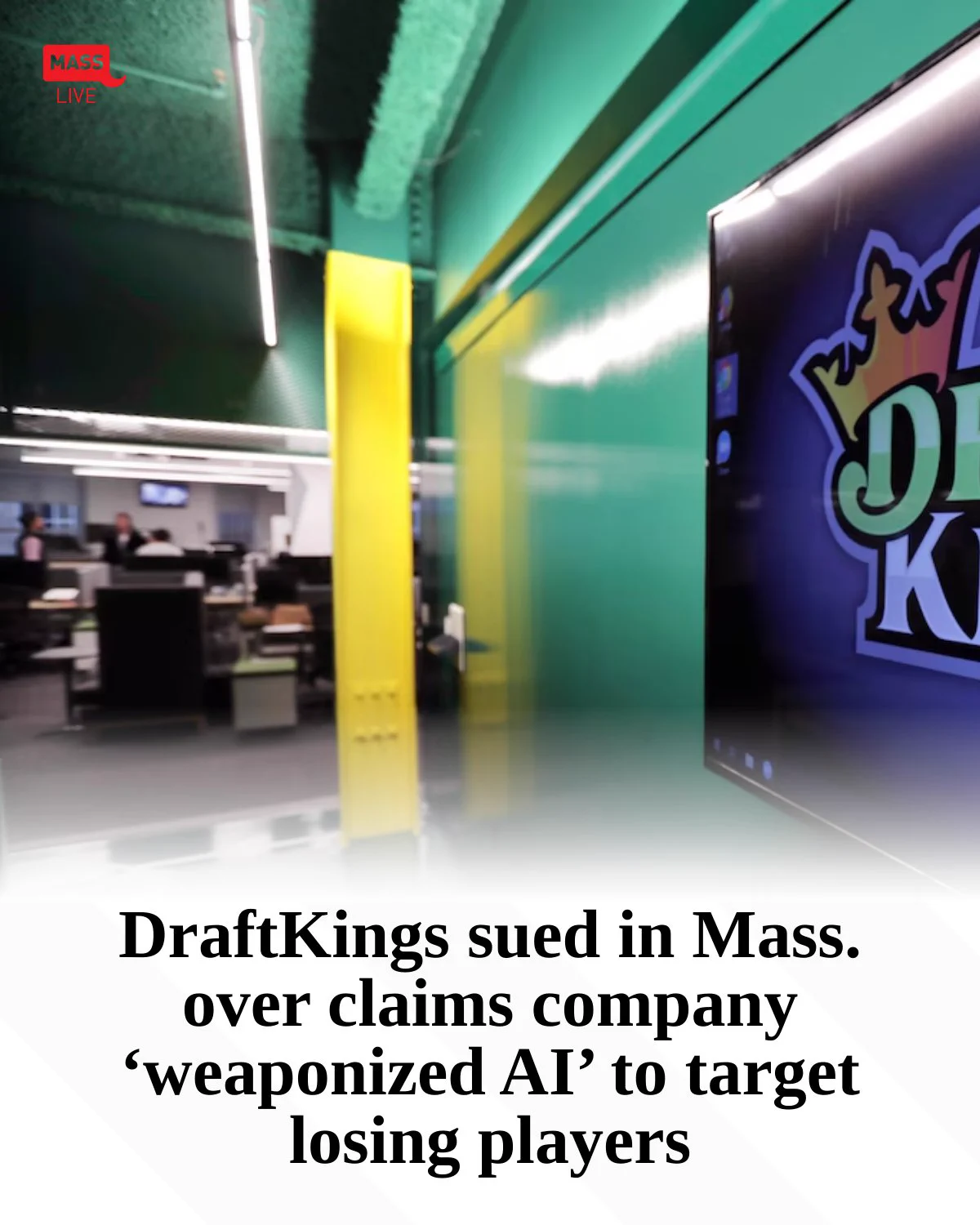
DraftKings AI Lawsuit Tests Sportsbook Accountability
You can set deposit limits, cool-off periods, and self-exclusion rules, but what happens if a sportsbook’s own systems can spot risky behavior before you do? That question sits at the center of a new DraftKings AI lawsuit that accuses the operator of using artificial intelligence and data analytics to identify and retain customers showing signs of gambling harm. The case matters because online betting is now built on personalization. Offers, odds boosts, push alerts, VIP outreach, and bonus prompts all run on data. If that same data points to addiction risk, regulators and courts may ask a blunt question: did the operator protect the customer, or did it keep selling?
What Stands Out
- The DraftKings AI lawsuit alleges the company used data-driven systems to identify problem gamblers and continue marketing to them.
- The case adds pressure to the wider debate over VIP programs, personalized bonuses, and responsible gambling controls.
- AI is not the villain by default. The legal issue is how operators use behavioral signals once they see them.
- Sportsbooks should expect tougher questions about audit trails, model governance, and player intervention policies.
What the DraftKings AI Lawsuit Alleges
According to GamblingNews, the lawsuit claims DraftKings used artificial intelligence to target people who showed signs of problem gambling. The complaint reportedly argues that the company tracked user behavior and used those insights to encourage continued betting, rather than stepping in with meaningful safeguards.
That is a serious accusation, and it lands at an awkward time for the U.S. sports betting sector. Operators have spent years telling lawmakers that regulated betting is safer than offshore betting because licensed brands can monitor play, spot red flags, and intervene. This lawsuit presses on the weakest spot in that argument.
If an operator can predict which bettor is likely to churn, it can probably detect which bettor is spiraling. The hard part is proving what the company knew, when it knew it, and what it did next.
Look, predictive analytics are standard in online gambling. They help operators segment players, price promotions, flag fraud, and personalize the app. But the lawsuit asks whether those same tools crossed a line from retention into exploitation.
Why the DraftKings AI Lawsuit Is Bigger Than One Brand
This case is not only about DraftKings. It is about the operating model behind modern sportsbooks. The app is a data machine, and every tap tells a story.
Think of it like a basketball coach reading a scouting report. The coach sees fatigue, foul trouble, and poor shot selection before the player admits anything is wrong. A sportsbook has its own scouting report: late-night deposits, rapid bet frequency, chasing losses, canceled withdrawals, bonus dependence, and sudden stake increases.
One file. A lot of signals.
The uncomfortable question is simple: what should a regulated gambling company do with that knowledge?
Personalization has two faces
Personalized betting products can make apps easier to use. They can also push vulnerable users toward more activity. A generic promotion is one thing. A timed offer aimed at someone who has just lost heavily is another.
That distinction may become non-negotiable for regulators. In the UK, the Gambling Commission has already tightened expectations around customer interaction and affordability checks. In the U.S., rules vary by state, but pressure is building around responsible gambling standards, advertising, and VIP treatment.
DraftKings AI Lawsuit and the Responsible Gambling Gap
The responsible gambling toolkit in the U.S. still leans heavily on user action. You set the limit. You ask for time out. You self-exclude. That model works for some people, but it leaves a gap for customers who are already losing control.
Honestly, this has been obvious for years.
Operators already know that high-value customers deserve attention because they drive revenue. The problem starts when high value overlaps with high harm. VIP managers, tailored bonuses, and retention teams can become risky if they lack firm stop signs.
- Deposit spikes: A sudden rise in deposits may point to risky play, especially after losses.
- Session intensity: Long sessions and rapid bet placement can signal loss of control.
- Withdrawal reversals: Canceling cash-outs to keep betting is a classic warning sign.
- Late-night play: Repeated activity during isolated hours can add context, though it should not be used alone.
- Bonus chasing: Heavy reliance on promotions may show financial pressure or compulsive behavior.
None of these signals proves addiction by itself. Combined, they can give compliance teams enough reason to slow things down, add friction, or require a human review.
What Operators Should Learn From the DraftKings AI Lawsuit
Sportsbooks do not need to abandon AI. That would be unrealistic. They need to prove their AI governance is built for player safety as well as revenue.
Here’s the thing: regulators will not be satisfied with a responsible gambling page buried in the footer. They will want evidence. Who reviewed the alert? Was the player contacted? Were promotions paused? Did the account get escalated?
Practical compliance steps
- Separate harm detection from marketing: If a player is flagged for risk, marketing automation should stop or tighten immediately.
- Create clear escalation rules: Define when risk signals trigger a message, limit prompt, account review, or temporary restriction.
- Audit AI models: Keep records of what the model measures, how it scores risk, and who can change it.
- Document interventions: Courts and regulators care about paper trails. So should operators.
- Review VIP programs: High-spend customers should not receive softer safeguards because they are profitable.
A sportsbook that cannot explain its algorithm has a governance problem. And if that algorithm touches vulnerable customers, the problem gets expensive fast.
What Bettors Should Watch For
If you bet online, assume the app is learning from you. That does not mean every recommendation is harmful, but it does mean your behavior shapes what you see next.
Watch for patterns that make it harder to stop. Are you getting offers right after losses? Are push alerts pulling you back during breaks? Are you reversing withdrawals because a promotion landed at the wrong moment?
Use the tools before you need them (yes, before).
- Set deposit and loss limits when you open the account.
- Turn off push notifications if they trigger impulsive bets.
- Use time-outs after heavy losses, not only after a bad week.
- Keep betting funds separate from rent, bills, and savings.
- Contact a support service such as the National Council on Problem Gambling if betting feels hard to control.
These steps will not fix a flawed operator system, but they give you friction. Friction matters.
The Legal Fight Ahead
The DraftKings AI lawsuit still has to move through the court process, and allegations are not findings. DraftKings will have a chance to respond, challenge the claims, and argue how its systems work. That part matters, especially in a sector where the words “AI” and “targeting” can carry more heat than precision.
But the lawsuit has already done something useful. It has forced a public question that many operators would rather keep inside risk meetings: if betting companies have the tools to see dangerous behavior, why are so many interventions still voluntary, delayed, or vague?
The next phase of U.S. sports betting regulation may not be about whether operators use AI. It may be about whether they can prove their AI protects customers when revenue is on the line.
What Comes Next for Betting AI
The smarter move for sportsbooks is clear. Treat responsible gambling data as a safety system, not a sales funnel. If operators want trust from courts, regulators, and customers, they need controls that work even when a valuable account is involved.
That is where this case could bite. Not because AI exists, but because the industry now has to answer a harder question: what happens after the machine spots the risk?