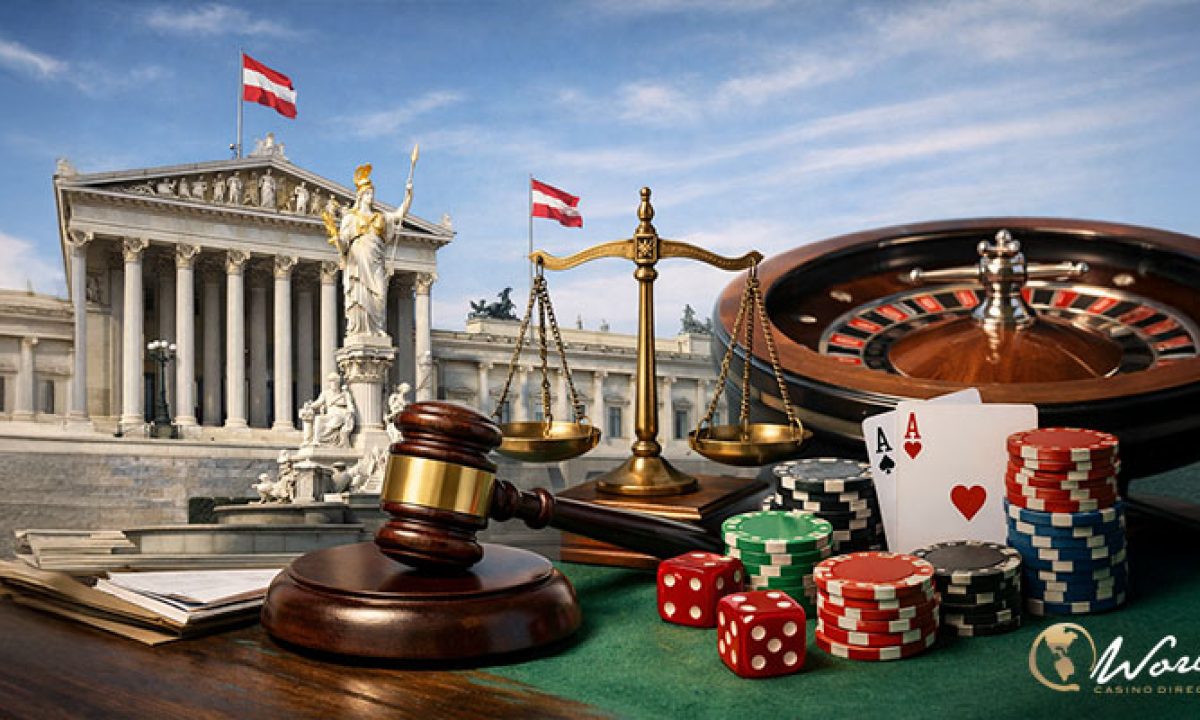
Austria iGaming Monopoly Faces Its Toughest Test
If you operate, invest, or advise in European online gambling, Austria now deserves your attention. The Austria iGaming monopoly has long sat awkwardly beside more open licensing systems in markets such as Denmark, the Netherlands, and Germany. Now, according to reporting by iGaming Business, legal and industry experts say Austria could be nearing a major shift, though they warn against expecting a quick or simple break from the current model. That matters because Austria is not a side issue. It is a wealthy EU market with high channelisation pressure, cross-border legal tension, and a state-backed monopoly model that has frustrated offshore operators for years. If reform comes, it could redraw one of Europe’s most stubborn gambling maps. But the hard part is not announcing change. It is building a system that actually works.
What Stands Out
- The Austria iGaming monopoly is under fresh scrutiny as debate grows around market reform.
- Experts quoted by iGaming Business describe the potential end of the monopoly as huge, but warn that reform must be handled carefully.
- A licensing model could attract major European operators, if tax rates and compliance rules are workable.
- Player protection, enforcement, and legal certainty will decide whether reform succeeds.
- Austria’s choices could influence how other monopoly or semi-restricted markets think about online gambling.
Why the Austria iGaming Monopoly Is Under Pressure
Austria’s online gambling framework has centered on a monopoly structure, with Casinos Austria-linked operations holding a privileged position in the regulated market. That setup has faced persistent criticism from private operators that argue the regime shuts out competition while Austrian players still access international sites.
The pressure is not new. What feels different now is the political and legal mood around reform. Across Europe, governments have learned that blocking online demand rarely works unless enforcement is sharp and the legal offer is attractive.
Think of it like running a stadium with one official food stand while fans bring in meals from every street outside. You can tighten the gates, but if the official offer is poor or overpriced, people will keep looking elsewhere.
A reform that only changes the logo on the door will not fix Austria’s online gambling problem. The market needs clear licences, credible enforcement, and rules that players can understand.
Austria iGaming Monopoly Reform: What Could Change?
A real reform would likely move Austria toward a multi-licence online gambling model. That does not mean a free-for-all. In Europe, the mainstream direction has been controlled opening, where approved operators can offer casino, poker, or betting products under national supervision.
What would that look like in practice? The details matter more than the headline. A workable Austrian model would need answers on:
- Licence scope: Which products are allowed, and whether casino, poker, and sports betting sit under one framework.
- Tax structure: Whether taxes allow licensed operators to compete with offshore sites.
- Advertising limits: How Austria balances market visibility with safer gambling concerns.
- Player protection: Deposit limits, self-exclusion, affordability checks, and intervention rules.
- Enforcement: How regulators act against unlicensed operators that keep targeting Austrian players.
Here’s the thing. Legalisation without channelisation is theatre.
If the legal offer is too narrow, too expensive, or too slow to approve, players drift back to offshore platforms. Regulators then get the worst of both worlds, political blame for gambling harms and limited control over the actual market.
Why Experts Are Urging Caution
The experts cited by iGaming Business appear to agree on the scale of the opportunity, but they also flag the traps. Austria has to unwind a long-running monopoly position without creating a messy transition, a lawsuit magnet, or a compliance gap.
That is harder than it sounds. Existing stakeholders will defend their position. New entrants will push for broad access. Consumer groups will want tougher harm prevention tools. Tax officials will eye revenue. And Brussels may watch for EU law friction, especially around market access and proportional restrictions.
Honestly, this is where governments often stumble. They announce reform, then bolt together rules that please nobody. The result is a licensed market that looks neat in a press release and weak in the wild.
The Tax Question Could Make or Break It
Tax is not a technical footnote. It is the hinge. If Austria sets online gambling taxes too high, regulated operators may struggle to offer competitive pricing, bonuses, and product depth.
Germany offers a useful warning. Its online slots stake tax and strict product controls have drawn criticism from operators who say the legal market has trouble competing with unlicensed sites. Austria does not need to copy that fight.
Player Protection Needs Teeth, Not Slogans
Any new Austrian framework will face scrutiny over gambling harm. That is fair. Online casino products carry higher risk than many betting products because play is fast, constant, and available around the clock.
But safer gambling policy has to be practical. Central self-exclusion, clear deposit tools, operator duty-of-care rules, and data-led intervention can help. Vague promises will not.
Austria iGaming Monopoly and the EU Law Problem
The Austria iGaming monopoly also raises a familiar European legal tension. EU member states can restrict gambling services for public-interest reasons, including consumer protection and crime prevention. But restrictions must be consistent, proportionate, and genuinely aimed at those goals.
That is the awkward bit. A monopoly model can be defended if it clearly reduces harm and controls supply. But if consumers still gamble widely with offshore brands, and if the state benefits financially from the monopoly, critics will ask a blunt question: is this really about protection, or control?
Courts and regulators across Europe have wrestled with that same issue for years. Austria’s reform debate sits inside that wider argument.
Who Wins If Austria Opens the Market?
If Austria moves to a multi-licence system, the first beneficiaries would likely be established European operators with compliance teams, German-language products, and experience in regulated markets. Think major betting and gaming groups already active in Germany, the Netherlands, Italy, Spain, or Denmark.
Payment firms, identity verification providers, safer gambling vendors, testing labs, and affiliate businesses could also see new demand. Market openings create an ecosystem, not just a new licence list.
But smaller operators may struggle if licence fees, local staffing rules, and technical controls are heavy. Austria has a chance to design a market that supports competition without lowering standards. Will it take that route?
What Operators Should Watch Next
For operators and suppliers, the smart move is preparation without overcommitting. Austria could move slowly, and early assumptions may age badly once draft legislation appears.
- Track legislative language: Watch whether reform covers online casino only, or a broader gambling framework.
- Model tax scenarios: Test whether Austria is viable under conservative revenue and margin assumptions.
- Review compliance gaps: Prepare for local rules on advertising, responsible gambling, KYC, AML, and reporting.
- Assess brand risk: Operators active without a local licence may face tougher scrutiny during transition.
- Build local expertise: Austrian law, politics, and language will matter more than generic EU market knowledge.
One pro tip from years watching market openings: do not treat the first draft as the final map. Lobbying, court pressure, coalition politics, and regulator capacity can all change the route before launch.
The Next Move Matters More Than the Headline
The end of the Austria iGaming monopoly would be a seismic moment for European gambling, but only if reform produces a legal market players want to use. A bad model would protect the old system in a new wrapper. A good one would give Austria more control, better consumer safeguards, and a fairer competitive field.
The practical next step is simple. Watch the draft rules, not the speeches. That is where Austria will show whether it wants genuine reform or a tidier version of the status quo.