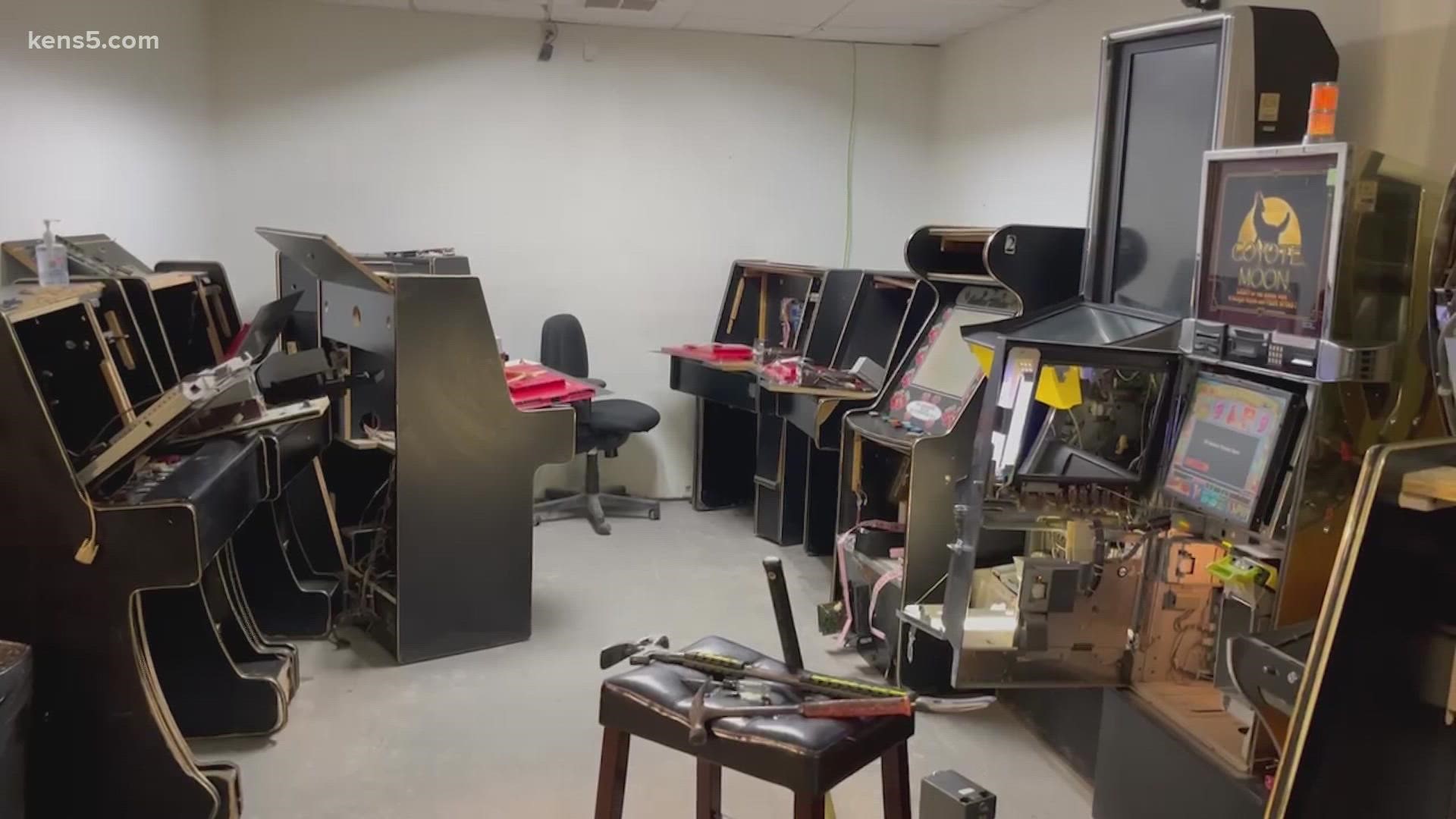
Bristol Illegal Casino Arrests Raise Compliance Stakes
Two arrests in Bristol tied to an alleged illegal casino operation should worry more than just the people involved. If you work in gambling, payments, property, or local enforcement, this is another reminder that illegal casino operation cases are not fringe incidents. They expose weak checks, slow reporting, and the gaps that bad actors still know how to exploit.
Why does this matter now? Because enforcement is getting sharper, and the business risk spreads fast. A venue can look ordinary on the outside while hiding criminal activity inside. That puts pressure on licensed operators, landlords, payment providers, and even nearby businesses to pay attention sooner, not later. Bristol is the latest example, but it will not be the last.
What stands out in the Bristol case
- Two people were arrested in connection with an alleged illegal casino operation.
- The case highlights how illicit gambling setups can operate behind ordinary fronts.
- Local authorities are treating these venues as a wider compliance and crime issue.
- Payment flows, tenancy records, and customer movement are all possible red flags.
- For legitimate operators, this is a reminder to tighten controls and reporting paths.
Why illegal casino operation cases keep surfacing
Illegal gambling venues do not need a flashy footprint. They often rely on low visibility, short leases, cash-heavy play, and rapid changes in staffing. That makes them harder to spot than a licensed venue with a public brand and a paper trail.
Look, this is not a mystery. Criminal groups like environments where record keeping is weak and scrutiny is patchy. If you are running a regulated business, that means your own controls have to work like a stadium security team at a packed final. One missed gate can cause a lot of trouble. And once the venue is established, the damage is not only regulatory. It can touch fraud, money laundering, tax exposure, and reputational fallout.
“The problem is not just the venue. It is the chain around it.” That includes landlords, processors, and anyone who looked the other way when the warning signs appeared.
What compliance teams should check now
If you oversee licensing, payments, or venue risk, start with the basics. The pattern around an illegal casino operation often shows up in ordinary records before it shows up in headlines.
- Review tenant profiles for shell companies, vague business descriptions, and unusual ownership structures.
- Inspect payment behaviour for heavy cash dependence, repeated card testing, or inconsistent merchant activity.
- Track site changes such as late-night fit-outs, blackout windows, or constant staff turnover.
- Escalate community reports fast. Neighbours often notice foot traffic, noise, and unusual hours first.
- Document every concern so you have a clean audit trail if regulators ask questions later.
Use the same discipline you would apply to anti-money laundering checks. If a venue cannot explain its business model in plain language, that is a problem. If money moves in ways that do not fit the site activity, that is another one.
How an illegal casino operation can slip past normal controls
The most effective setups do not look illegal at first glance. They may present as a private club, entertainment space, or unremarkable commercial unit. The real activity happens after hours, behind controlled access points, or through invitation-only entry.
That is why surface-level checks fail. A quick site visit can miss the issue if it happens at the wrong time. A lease review can miss it if the paperwork is clean but the occupant profile is nonsense. And a payment review can miss it if the venue uses intermediaries or cash collection methods outside standard merchant flow.
What should you look for? Unusual opening hours, restricted entry, repeated complaints, unexplained cash handling, and businesses that seem to change identity every few months. Those are not small quirks. They are signals.
What licensed operators can learn from this
Licensed gambling businesses should not treat this as a local police matter only. Every illegal casino operation drags on the market by distorting customer trust and forcing regulators to spend more time on enforcement than on oversight. That is bad for everyone who plays by the rules.
For operators, the practical move is to tighten venue monitoring, improve escalation paths, and keep internal teams aligned. If your business relies on third-party premises, ask harder questions about the people behind the lease. If your payments team sees odd patterns, make sure someone with authority can act on them quickly. Slow response is expensive.
Honestly, the bigger lesson is about vigilance. Compliance is not a binder on a shelf. It is a habit. Like a chef checking the prep line before service, you need the check before the mess, not after.
What happens next for enforcement
Cases like Bristol usually lead to more scrutiny, more intelligence sharing, and a fresh look at linked premises. That can mean inspections, asset checks, and broader attention to anyone connected to the site.
For the sector, the smart move is simple. Tighten your controls before the next arrest lands in your inbox. Because when an illegal casino operation is already under the spotlight, the question is no longer whether bad actors will try again. It is where they will surface next.
So what is your team doing this week to spot the next one first?