Bridgeport Compliance Checks Trigger Gambling Citation and Shutdown
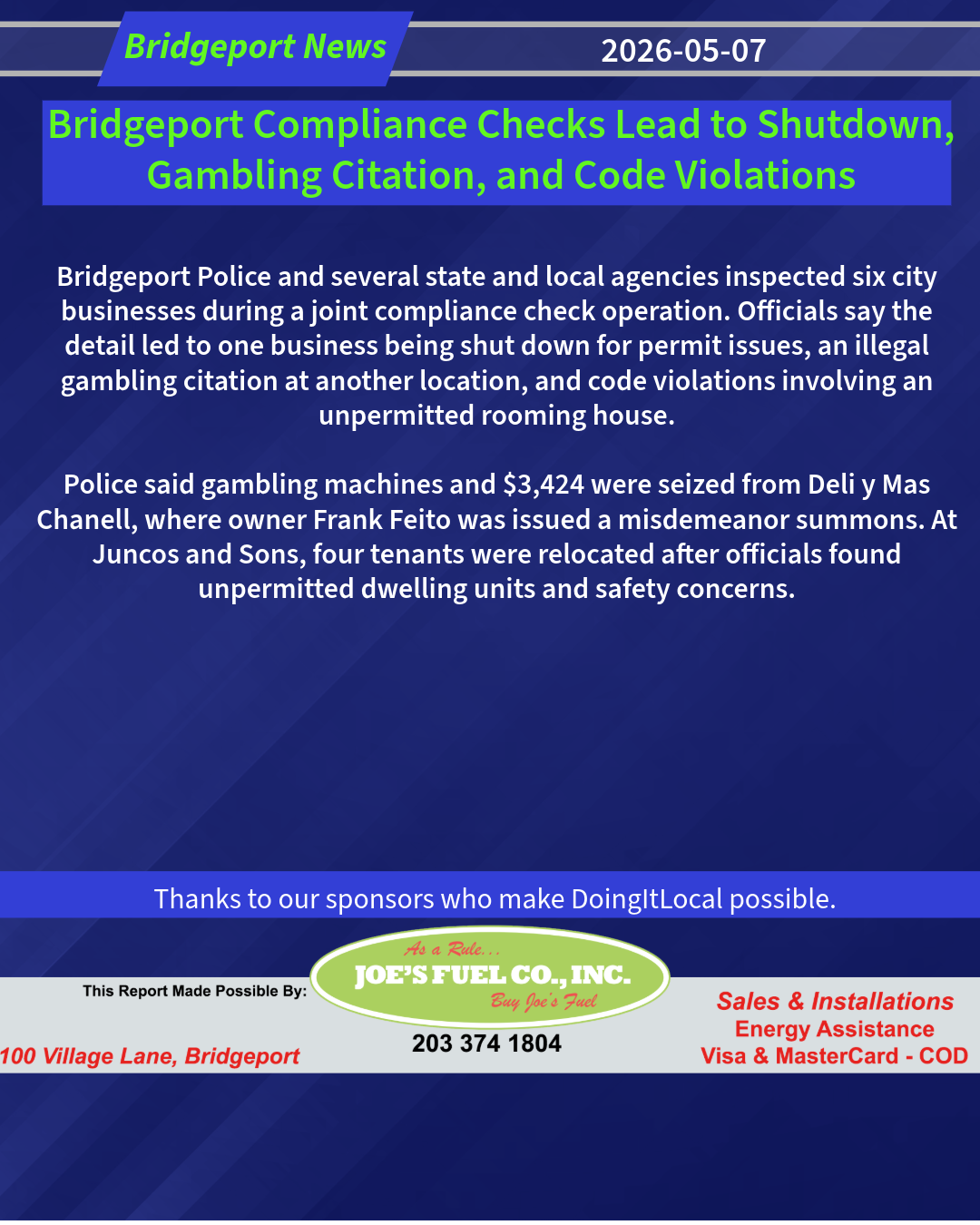
If you run or work with a gaming venue, bar, or sweepstakes-style operation, one local enforcement action can turn into a business crisis fast. That is why the latest Bridgeport compliance checks matter. According to Doing It Local, city inspections in Bridgeport led to a shutdown, a gambling citation, and additional code violations tied to one location. For operators, this is a blunt reminder that gambling risk rarely shows up alone. It often sits next to fire code issues, permit gaps, occupancy problems, or questionable machine setups. And once inspectors start pulling on that thread, everything gets examined. You do not need a giant state crackdown for real damage to happen. A local visit is enough. So what should you actually learn from this case, beyond the headline?
What stands out
- Bridgeport inspectors reportedly found issues serious enough to shut down a business.
- The action included a gambling citation, which raises both legal and licensing risk.
- Code violations appear to have widened the scope beyond gaming alone.
- Local enforcement can hit faster than many operators expect.
What happened in the Bridgeport compliance checks
Based on the report from Doing It Local, Bridgeport compliance checks resulted in three immediate outcomes. A business was shut down. A gambling-related citation was issued. And inspectors identified code violations that appear to have supported the broader enforcement action.
That combination matters. A gambling allegation gets attention, but code failures often make a location easier to close on the spot because they create a cleaner enforcement path for the city. Think of it like a building inspection at a stadium. If the refs miss a foul, the safety officer still has authority to stop the game if the stands look unstable.
Local enforcement is rarely about one issue in isolation. Once a site is under scrutiny, every compliance weak spot can become part of the case.
The source article does not frame this as a niche paperwork dispute. It reads like the sort of municipal action that sends a message to similar operators across the area.
Why a gambling citation changes the stakes
A gambling citation is not just bad press. It can affect licensing, landlord relationships, vendor contracts, insurance posture, and future regulator trust. And if a business model depends on gray areas, that trust deficit can linger long after fines are paid.
Here is the hard truth. Many operators spend too much time debating whether a machine, promotion, or contest falls inside a narrow legal lane, and too little time asking whether local officials will see it the same way. Those are not always the same question.
What happens if your setup is technically arguable but operationally sloppy?
That is when trouble gets expensive.
In cases like this, the gambling angle can also draw extra attention from police, city attorneys, zoning staff, and state agencies. One citation can become the starting point for a much larger review (especially if neighbors or local media are already watching).
Bridgeport compliance checks show how code violations compound risk
Operators sometimes treat code compliance as a separate box from gaming compliance. That is a mistake. The Bridgeport compliance checks story shows why these issues stack together in the real world.
Common problem areas often include:
- Expired or missing business permits
- Occupancy or fire safety failures
- Electrical issues around gaming or amusement machines
- Improper signage or restricted access problems
- Unclear ownership or management responsibility
Any one of those can trigger penalties. Together, they create a picture that enforcement teams do not like. Honestly, that picture can matter almost as much as the underlying legal argument.
What operators should check right now
If your venue offers gaming machines, sweepstakes products, skill-based devices, or any setup that could invite scrutiny, act like an inspector is coming next week. Not because panic helps. Because routine discipline does.
Start with a plain-language risk review
- Confirm every machine or terminal has a documented legal basis for operation.
- Match floor activity to local and state rules, not just vendor claims.
- Verify occupancy, fire, electrical, and business license status.
- Check that staff know what they can say to inspectors and what records they should produce.
- Review leases and vendor contracts for compliance responsibility.
Push back on vague assurances
Here is where years on this beat make one thing obvious. Vendors love soft language. They say products are compliant, approved, or commonly used in other markets. Fine. Ask for the exact legal memo, jurisdiction, date, and scope. If they cannot provide that, you are buying risk dressed up as certainty.
And yes, local officials notice when operators hide behind slippery sales talk.
Why local crackdowns matter beyond one address
One shutdown in Bridgeport can influence behavior across a region. Competing businesses tighten procedures. Landlords ask sharper questions. City staff may schedule more inspections. Reporters start calling around. That is how a local item turns into a wider compliance shift.
This is especially relevant in sectors that blur the line between entertainment and regulated gambling. Skill games, promotional kiosks, fish games, sweepstakes cafés, and certain cash-based digital setups often live under a cloud of interpretation. A city does not need to settle the entire legal debate to make life difficult for operators. It only needs enough grounds to inspect, cite, and close.
If your model depends on staying below the radar, you do not have a model. You have a timer.
What this means for people in compliance and operations
Compliance officers should treat this case as a prompt to tighten coordination with operations teams. Too often, legal review sits in one folder while site conditions drift in another direction. That split is where avoidable mistakes grow.
A better approach is simple:
- Run joint compliance walks with operations and facilities staff.
- Create one current file for permits, inspections, and vendor documents.
- Map every revenue-generating machine to its legal rationale.
- Escalate unresolved gray areas before a city inspector does it for you.
Small lapses become public fast.
What to watch next in Bridgeport
The immediate question is whether this action stays limited to one business or becomes part of a broader local enforcement push. Watch for follow-up inspections, statements from city officials, and any signal that police, zoning, or state-level agencies are taking a deeper look.
You should also watch whether other venues quietly change machine mixes, promotional offers, or operating hours. Those moves often tell you more than public comments do.
The real lesson
The Bridgeport case is not interesting because one venue got caught. It matters because it shows how modern enforcement actually works at street level. Cities do not need a sweeping legal theory to shut a place down. They just need enough exposure across gambling, safety, and code compliance to make continued operation hard to defend.
If you are an operator, your next step is practical. Audit the floor. Audit the paperwork. Then ask a blunt question that too many businesses avoid: if inspectors walked in tomorrow, what would they find first?