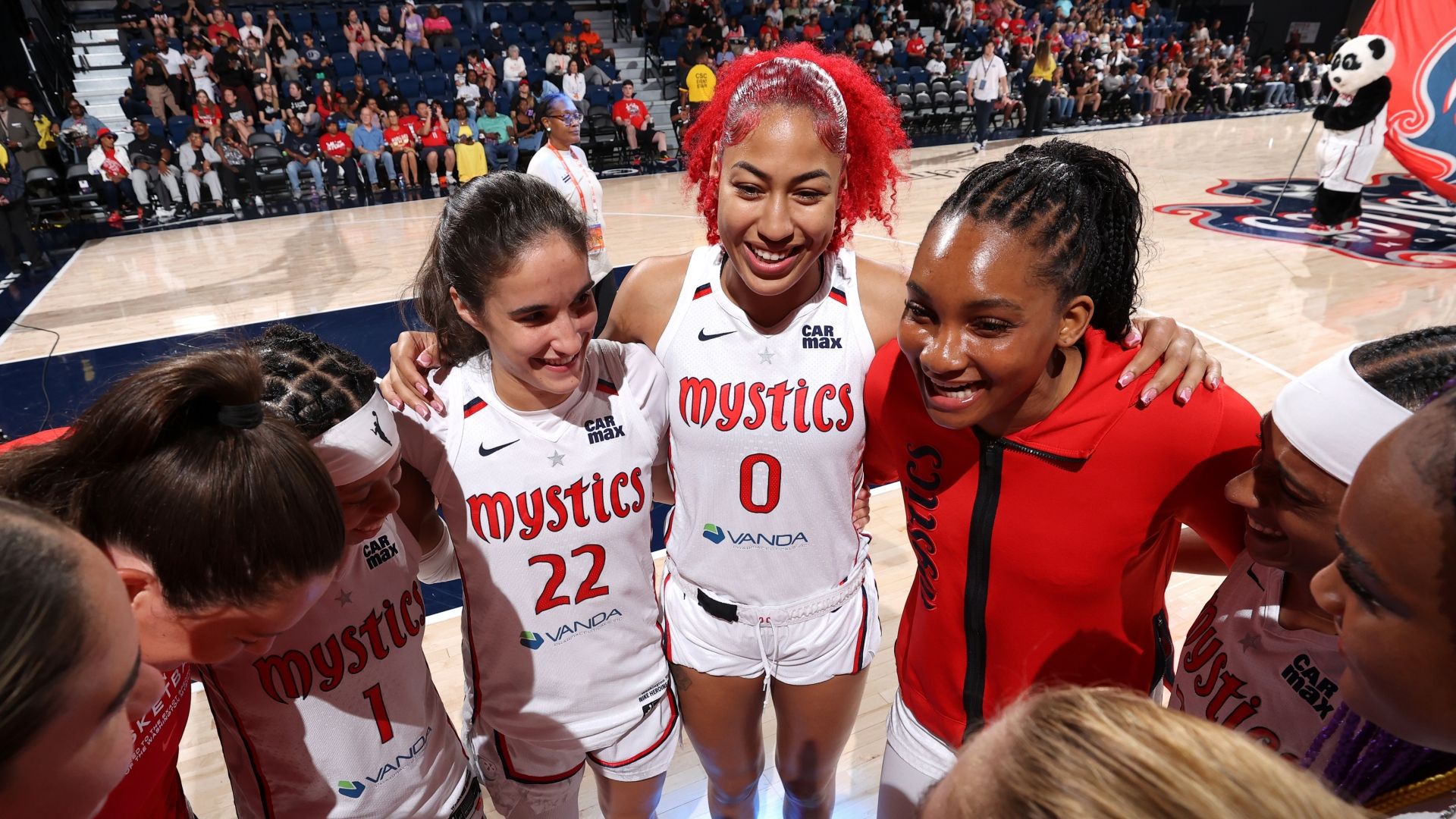
Washington Mystics Rebuild Hinges on Rookies and a New Front Office
The Washington Mystics are trying to solve a problem that every aging contender eventually faces. What happens after the core that once carried the franchise is no longer enough to keep pace? That question matters now because the WNBA is moving faster, drawing more attention, and punishing teams that drift in the middle. For the Mystics, this is no quiet reset. It is a public bet on rookie talent, new decision-makers, and a different timeline. If you follow the league, or care about how teams manage change without bottoming out, the Washington Mystics rebuild is worth a close look. The roster choices, front office shakeup, and pressure from a sharper Eastern Conference all point to one thing. This team is entering a new era whether it likes the label or not.
What stands out right away
- The Mystics are leaning on rookies to inject pace, upside, and long-term value into the roster.
- Front office changes matter because rebuilds rarely work without a clean vision from the top.
- This is not a cosmetic reset. The team appears to be shifting away from an older competitive window.
- The stakes are real because the WNBA is deeper, louder, and less forgiving than it was a few seasons ago.
Why the Washington Mystics rebuild feels different
Teams use the word rebuild carefully because fans hear losing. But look at the Mystics and the shape of this transition is hard to miss. The old formula, built around veteran reliability and half-court execution, no longer looks like enough in a league that now rewards speed, depth, and fresh legs.
That does not mean the franchise is starting from zero. It means the organization is admitting that patchwork fixes were not going to hold. Honestly, that admission is healthier than pretending one more tweak would solve everything.
The clearest message from the Mystics is simple. Youth is no longer a side project. It is the plan.
That is a risky move, of course. Rookies bring energy and upside, but they also bring mistakes, uneven rotations, and a learning curve that can get ugly in a hurry. Still, staying old in a faster league is like trying to win a track meet in work boots. You can compete for a stretch. Then the gap shows.
Washington Mystics rookies: why the bet makes sense
Relying on first-year players can sound reckless if you frame it only around short-term wins. Frame it around team building, though, and it becomes more logical. Rookie contracts matter. Development reps matter. And a franchise that needs a fresh identity cannot find it if young players stay parked on the bench.
The bigger point is philosophical. Are the Mystics trying to squeeze out one more respectable season, or are they trying to build a team that can matter two and three years from now? Those are different jobs.
What rookies can change fast
- Tempo. Younger players often push the ball harder and defend with more range.
- Lineup flexibility. Coaches get more options when legs are fresher and roles are less fixed.
- Asset value. If prospects hit early, the roster gets more trade and rotation leverage.
- Identity. A rebuilding team needs players who can grow into the next version of the franchise.
And yes, there will be rough nights.
That is part of the cost. The smart teams accept short-term mess when it leads to a more solid foundation later. Think of it like renovating an old house. If you only repaint the walls, the wiring problem is still waiting behind them.
What the front office shakeup tells you
Roster turnover gets the headlines, but front office change usually tells you more. New executives or reshaped leadership structures often signal that ownership wants a harder reset, not a soft one. The Mystics appear to understand that direction from the top has to match what happens on the court.
A front office sets the timeline, the spending logic, the draft priorities, and the tolerance for pain. That last part matters most. Can leadership live with losses while younger players learn, or will it panic and chase quick fixes by midseason?
Here is the thing. Rebuilds fail all the time because teams get embarrassed by the middle stage. They want the future, but they also want immediate proof. Usually, you do not get both.
What to watch from management
- Whether the Mystics give rookies real minutes instead of symbolic minutes
- Whether veteran pieces are used to stabilize the locker room or moved for future value
- Whether the team shows a clear style of play by midseason
- Whether decision-makers stay patient if the early record looks rough
The bigger WNBA context behind the Mystics shift
This is where the story gets more interesting. The WNBA is in a period of steep attention growth, stronger talent pipelines, and sharper scrutiny from fans and media. That changes the pressure on franchises like Washington. Rebuilding used to happen more quietly. Not now.
Leaguewide, teams are investing more in player development, roster construction, and long-term planning. The Mystics do not have the luxury of standing still while other clubs get younger and more explosive. A team that once leaned on experience now has to answer a new question. Can it keep up with the pace and skill surge across the league?
But there is another side to this. A smart rebuild in the WNBA can turn faster than people think, especially if a rookie class lands, a front office nails role players, and the coaching staff commits to a modern rotation pattern (which is harder than it sounds).
What fans should expect this season
If you are watching the Washington Mystics rebuild, do not judge it only by the standings. That sounds convenient, sure, but it is the right lens. A reset year should be measured by signs of structure and growth, not by whether every close game flips the right way.
Look for practical markers:
- Do young players improve from month to month?
- Does the offense find a repeatable shape?
- Does the defense show effort-based consistency even when talent gaps appear?
- Do the rotations make developmental sense?
Those signals tell you more than a random three-game stretch in June. Fans can handle losing if they see a plan. What drives people crazy is drift.
A rebuild is easier to accept when the team looks like it knows what it is building.
Why this transition could still go sideways
There is no clean script here. Young players can stall. Front offices can misread the timeline. Coaching staffs can get caught between development and survival. And if veterans do not fit the new pace, the whole mix can feel awkward for longer than expected.
That is the hard truth with a youth-first turn. It sounds bold in May. It can look chaotic by August.
Still, I would rather watch a franchise make a clear bet than hide behind nostalgia. The Mystics seem to be choosing motion over denial, and that is usually the right call in pro sports.
Where the Mystics go from here
The next phase of the Washington Mystics rebuild will depend on discipline. Not excitement. Not slogans. Discipline in minutes, in roster choices, and in resisting the urge to declare victory or disaster too early.
If the rookies show real traction and the front office stays aligned, Washington can turn this awkward transition into a credible foundation. If not, the team risks getting stuck in the worst place in basketball. Too flawed to contend, too impatient to build. Which version shows up over the next year will tell you a lot about whether this new era is real, or just a temporary rebrand.