Brandon Aiyuk Contract Rumors and the 49ers Money Risk
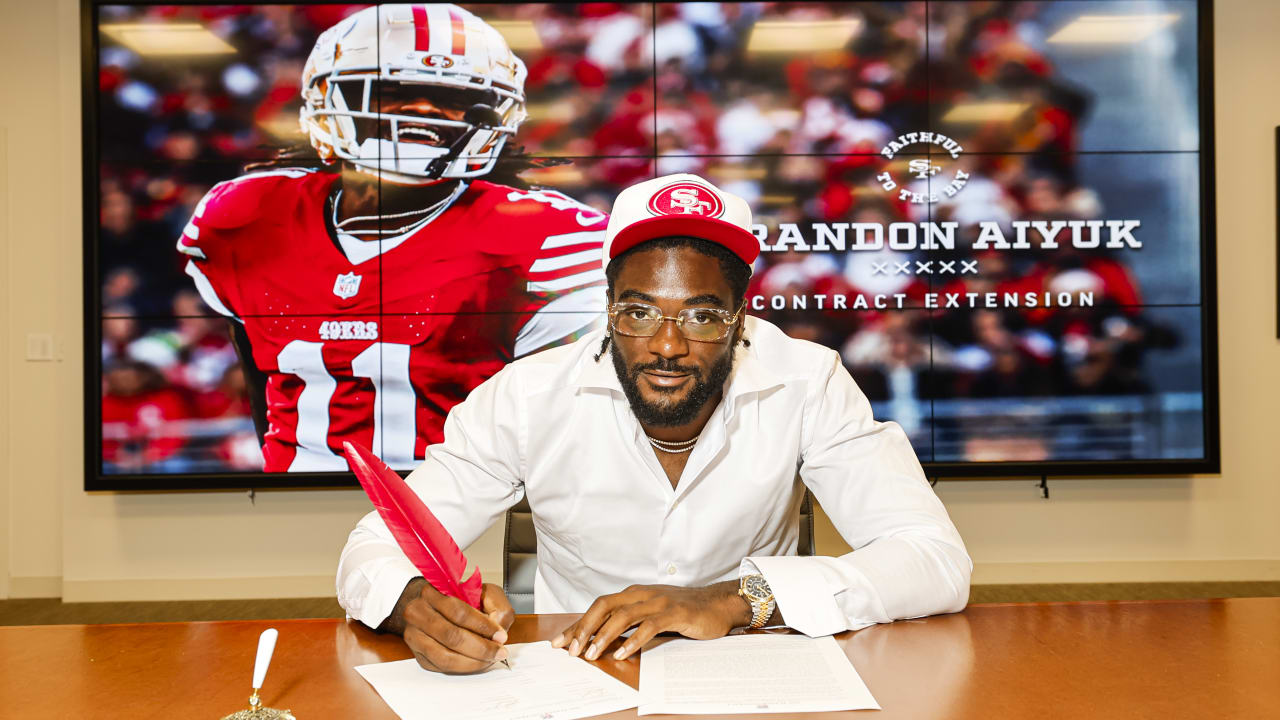
The Brandon Aiyuk contract mess is a clean example of how fast NFL leverage can turn into a financial headache. One side wants certainty. The other wants top-dollar. And while the rumor mill spins, the 49ers face a real problem: every week of delay can push the price higher, while every public whisper makes the situation harder to control.
That is why the noise around Aiyuk matters now. Wide receiver deals have reset the market several times in recent seasons, and clubs do not get many chances to lock in a top target before the next comp set changes the math. For San Francisco, this is not about gossip. It is about timing, cap management, and whether they want to pay a premium today or risk an even bigger number tomorrow. Who wants to get caught paying twice for the same player?
What stands out in the Brandon Aiyuk contract debate
- Timing is the whole story. Delay usually helps the player, not the team.
- Receiver markets move fast. One extension can reset the bar for the next one.
- Rumors add pressure. Public chatter makes every move look bigger than it is.
- Cap planning matters. The 49ers have to balance Aiyuk against other long-term deals.
Why the Brandon Aiyuk contract talks keep heating up
Aiyuk has done the most valuable thing a receiver can do. He produced at a high level and forced the front office to treat him like a core piece. That puts him in the same class as other premium wideouts, where negotiation starts with production and quickly moves to market comparisons.
The problem is that receiver contracts rarely stay still. Once one player gets paid, another agent points to that number and asks for more. It is a lot like bidding on office space in a hot neighborhood. Wait too long, and the asking price climbs before you sign.
For the 49ers, the risk is not only the size of the deal. It is the flexibility they lose if they commit too late. That matters for a roster built around multiple expensive stars.
The 49ers are not negotiating in a vacuum. They are negotiating inside a market that rewards patience for players and punishes hesitation for teams.
How rumors change the Brandon Aiyuk contract picture
Trade chatter and destination rumors can be useful for a player because they keep pressure on the team. They also create a noisy backdrop that blurs the real issue. Are the sides far apart, or is this simply the usual tension before a major extension?
Look, the public story often runs ahead of the actual talks. A rumor does not mean a deal is dead. But it can change how fans, media, and even other clubs interpret every move. That matters because front offices hate looking cornered.
There is also a simple business truth here. Once a player believes he has leverage, he is less likely to accept a middle-ground number. And once a team believes it can wait him out, it may miss the best point to close. Both sides can talk themselves into a worse deal.
What the 49ers have to weigh
- Immediate cap hit. Can they fit Aiyuk’s number without weakening another position?
- Market direction. Will receiver salaries rise again before a new deal is done?
- Locker-room signal. What does a long standoff say to the rest of the roster?
- Trade value. If talks break, what would another team actually pay?
What a smart deal would look like
A sensible extension would probably reward Aiyuk with clear top-tier money while giving San Francisco some flexibility on structure. That usually means guarantees, option bonuses, and timing that smooths the cap charge (the boring part that often decides the whole thing).
But the structure only works if both sides trust the process. If the player thinks the team is lowballing him, no amount of cap gymnastics fixes the mood. If the team thinks the player is angling for leverage through rumor cycles, it gets even harder to settle.
That is the real lesson here. Big NFL deals are less like a sprint and more like a tense negotiation over who blinks first.
What to watch next in the Brandon Aiyuk contract story
Watch for two signals. First, whether the 49ers adjust guarantees or average annual value to match the market. Second, whether the rumor traffic slows down once both sides stop trying to shape public opinion.
If the talks drag on, the financial risk grows. If they move quickly, both sides can still walk away looking smart. And that is the part fans should keep an eye on. Not the noise. The numbers.
A final read
The next move will tell you more than the rumors ever will. If San Francisco wants stability, it has to pay for it now. If it waits, it may find that the market has already done the talking.
So the real question is simple. Does the front office want control, or does it want to gamble that time will do the job for it?