BC Gambling Anti-Money Laundering Rules Explained
If you follow casinos in British Columbia, you have probably seen the issue framed in big, vague terms. That does not help much if you want to know what actually changed. BC gambling anti-money laundering rules matter because they shape how casinos handle cash, monitor suspicious activity, and answer to public scrutiny after years of criticism about dirty money in the province’s gaming sector. The topic also matters now because British Columbia has spent years tightening oversight through policy changes, investigations, and public reporting. If you work in gaming, compliance, payments, or adjacent sectors, this is not background noise. It affects operations, trust, and political risk. And if you are asking whether the province really changed the system or just changed the language, that is the right question.
What stands out
- British Columbia introduced a series of anti-money laundering actions focused on casinos, cash controls, and stronger oversight.
- The province’s response followed major criticism, including findings from Peter German’s reports and the Cullen Commission.
- BCLC, GPEB, and casino operators all face more scrutiny around source of funds, suspicious transactions, and compliance processes.
- The big shift is not one rule. It is a stack of enforcement, reporting, and governance changes that now work together.
Why BC gambling anti-money laundering rules became a political flashpoint
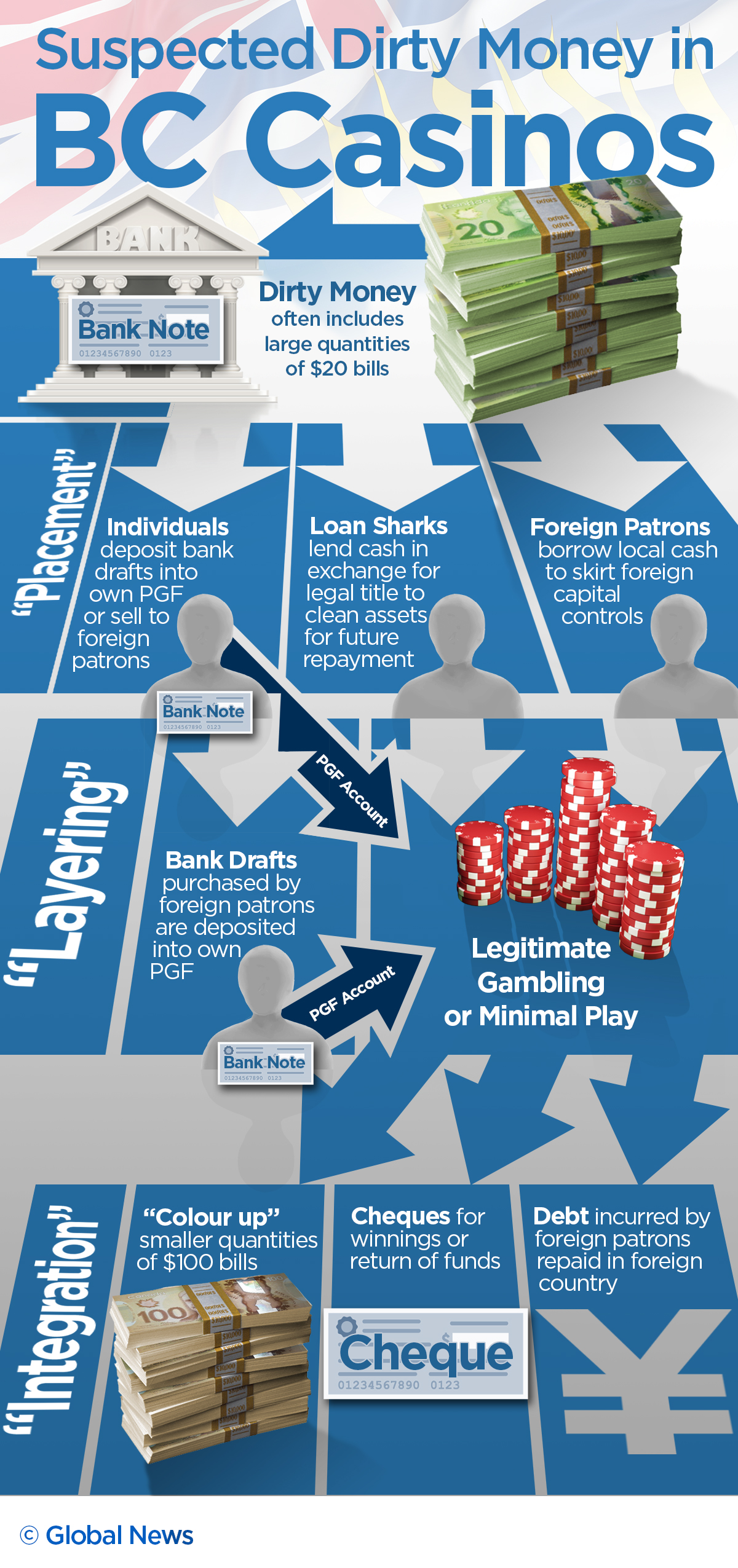
British Columbia did not reach this point by accident. The issue became impossible to ignore after reports of suspicious cash entering casinos, often in large volumes and under conditions that should have raised sharp questions much earlier.
Peter German’s 2018 report, commonly called Dirty Money, described serious weaknesses in how the province handled money laundering risks in gambling. Later, the Cullen Commission examined money laundering across several sectors, including casinos, and pushed the debate far beyond compliance checklists.
Look, the core problem was simple. If huge amounts of cash move through casinos with weak scrutiny, the venue can become a cleaning machine for illicit funds.
That is why this issue cut through. It was not only about gaming revenue. It was about whether the regulator, the lottery corporation, and government were doing their jobs.
What the BC government says it did
According to the British Columbia government’s anti-money laundering summary on gambling, the province took several actions to reduce risk in casinos and improve accountability. These actions were not framed as a single fix. They were presented as an ongoing package.
Key measures included
- Stronger rules around large cash transactions in casinos.
- Enhanced due diligence and source-of-funds scrutiny.
- More intelligence sharing and coordination across agencies.
- Expanded compliance oversight involving BCLC and the Gaming Policy and Enforcement Branch, or GPEB.
- Operational changes meant to reduce anonymous or suspicious high-value buy-ins.
That layered approach makes sense. Anti-money laundering in gambling works a lot like stadium security. One guard at the gate is not enough. You need cameras, screening, reporting lines, trained staff, and someone who will act when the alarm goes off.
How casino cash controls changed
One of the most watched areas was cash. For years, critics argued that suspicious cash transactions were accepted too easily in BC casinos. The government’s response included tighter controls over how casinos handle large cash buy-ins and when they must ask harder questions.
That meant more attention to source of funds. It also meant more friction for players moving big sums.
Good.
Casinos are supposed to be entertainment venues, not pressure-release valves for unexplained cash. If a player arrives with a large amount of money in circumstances that do not make sense, staff should not treat that as routine business.
What source-of-funds checks are meant to do
Source-of-funds reviews are designed to answer a basic question. Does this money come from a legitimate, documented origin? In practice, that can involve collecting records, verifying financial information, and escalating suspicious cases for review or reporting.
And yes, that creates tension. Operators want high-value play. Compliance teams want evidence. Regulators want assurance that neither side is cutting corners.
The agencies that matter most
If you want to understand BC gambling oversight, focus on three players.
- BCLC, the British Columbia Lottery Corporation, manages gambling on behalf of the province and plays a central role in casino oversight expectations.
- GPEB, the Gaming Policy and Enforcement Branch, acts as the regulator and enforcer.
- Casino operators run the venues and carry front-line responsibility for identifying suspicious conduct, maintaining records, and following anti-money laundering controls.
This division sounds tidy on paper. Real life is messier. Oversight failures often happen in the gaps between institutions, where everyone assumes someone else is asking the hard questions.
Did the reforms fix the problem?
Here is the honest answer. They appear to have made the system tighter, but no serious observer should pretend the risk disappeared.
The province’s actions show a clear shift from permissive cash handling toward more controlled, documented, and politically sensitive gambling operations. That matters. Public pressure, investigative reporting, and formal inquiries forced BC to move faster than it likely would have on its own.
But anti-money laundering work is never finished. Criminal methods change. Staff get complacent. Commercial pressure creeps back in. A policy update is useful, yet enforcement culture is what counts when the floor gets busy at 11 p.m. on a Saturday.
Rules on paper are easy. Consistent skepticism in a cash-heavy environment is the hard part.
What this means for operators and compliance teams
If you work in gaming or a related payments role, the lesson is blunt. Assume every high-risk transaction will be judged later by regulators, auditors, media, or a public inquiry.
That changes how solid operators should think about process.
Practical priorities
- Train front-line staff to spot unusual cash behavior, structuring, third-party involvement, and weak source-of-funds explanations.
- Document decisions so reviews are based on evidence, not memory.
- Escalate early when facts do not line up.
- Test controls with internal audits and scenario drills.
- Keep governance sharp so commercial teams cannot override compliance concerns without scrutiny.
Honestly, this is where many organizations still stumble. They buy policy language, then underinvest in staffing, training, and escalation discipline.
What readers should watch next in BC gambling anti-money laundering rules
The next chapter will likely be less about headline reforms and more about consistency. Are the current controls being applied evenly across venues? Are suspicious transaction reports leading to stronger intervention? Are regulator and operator incentives actually aligned?
Those are the real tests.
The wider context matters too. Canada continues to face scrutiny over money laundering risks in real estate, finance, and casinos. British Columbia’s gambling response is one piece of that larger picture, and it will keep being judged against broader national enforcement standards.
Where this leaves the industry
British Columbia’s casino sector now operates under heavier scrutiny for good reason. The era when suspicious cash activity could be waved through with a shrug is supposed to be over, and nobody in the industry should want that old model back.
If you are watching this space, do not focus only on whether government announced another measure. Watch whether the people on the floor, in the compliance office, and at the regulator still ask uncomfortable questions. That is where the story lives, and where the next failure, or the next proof of progress, will show up first.