Vegas Flight Stabbing: What the Passenger Case Says About Air Travel Security
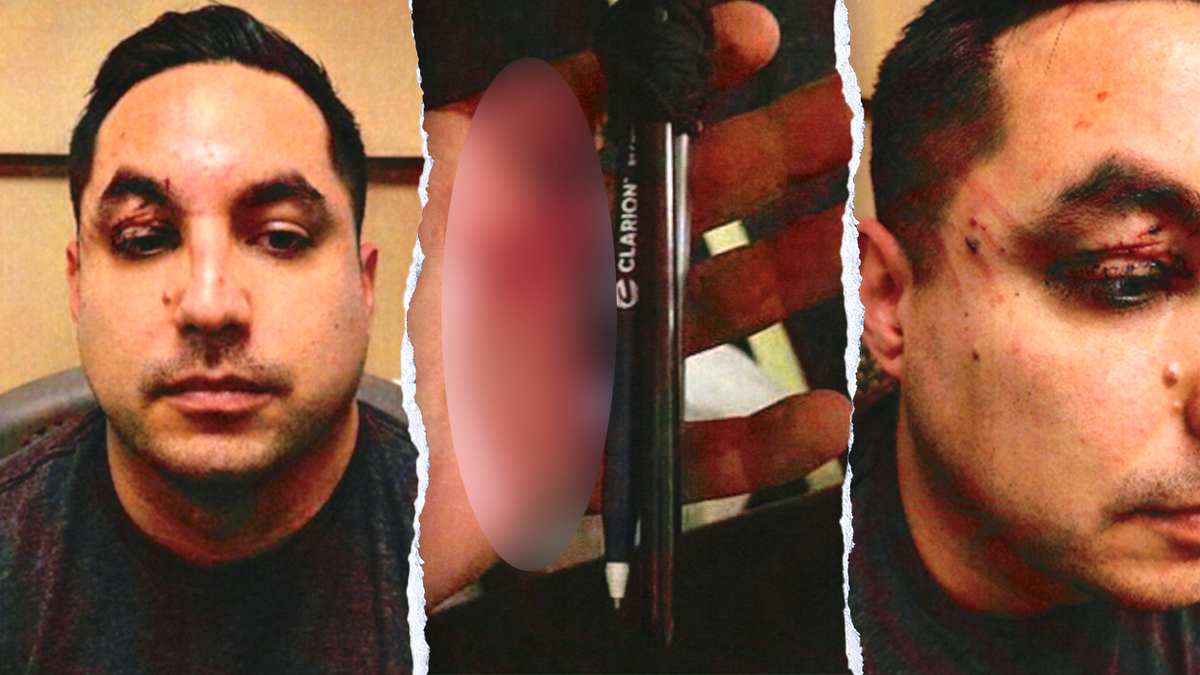
Air travel already asks you to tolerate tight seats, delays, and strangers packed elbow to elbow. A Vegas flight stabbing case makes that pressure sharper. According to reports tied to the incident, a passenger said a harassing look sparked the violence, which is exactly the kind of fast escalation airlines dread and travelers assume will never reach their row. But when it does, the gaps show up fast. How do crews spot trouble early, and what can you realistically expect from cabin security once a conflict starts? That is the real issue here. Not the headline. The response. And the fallout for everyone sitting nearby.
What stands out in the Vegas flight stabbing case
- The dispute reportedly escalated from a brief passenger interaction to violence.
- Cabin crews often have only seconds to assess whether a tense exchange is about to turn physical.
- Airlines rely on de-escalation, but that only works if someone sees the warning signs early.
- Passengers are usually trapped in close quarters, which makes even small conflicts feel seismic.
Why a Vegas flight stabbing can happen so fast
Planes are not built for private conflict. They are more like a packed train car with nowhere to go, no exit, and a crew that must manage dozens or hundreds of people at once. That is a bad setup for an argument that starts with a stare, a comment, or a perceived slight.
Psychologists and safety experts have long pointed out that cramped spaces can intensify anger. Add alcohol, sleep loss, stress, or mental health issues, and the odds of a sharp escalation climb. That does not excuse anything. It explains why crews train for conflict before it turns physical.
Airlines do not need perfect foresight. They need faster recognition. The difference between a tense exchange and a stabbing is often a matter of minutes, sometimes less.
What airlines can do better after a Vegas flight stabbing
The usual playbook is simple: alert the crew, isolate the passengers if possible, call law enforcement on landing, and document everything. But that is a bare minimum, not a strategy. If airlines want fewer in-flight assaults, they need to treat cabin conflict like a front-line safety problem.
- Train crews for early behavior cues. Raised voice, aggressive posture, repeated fixation, and refusal to disengage matter.
- Give crews clearer authority. Flight attendants should not have to guess whether they can intervene sooner.
- Use better reporting pathways. Passengers should be able to alert staff fast without causing a scene.
- Coordinate with airport police. The handoff on landing should be immediate, not improvised.
Look, this is not a customer service issue dressed up as a safety story. It is a security problem. If a conflict can become violent in a narrow aisle, then airlines need procedures that treat the cabin like a controlled environment, not a waiting room with wings.
What you should do if a flight turns hostile
Most passengers will never face anything close to this. But if you do, your choices matter.
- Alert the crew right away if you see threats, yelling, or physical contact.
- Do not step in unless you must protect someone from immediate harm.
- Move away from the conflict if there is space.
- Keep your phone ready, but do not crowd the scene.
- Write down details after the situation is under control.
And if you are seated near the incident, keep your focus on distance and visibility. You want staff to see what is happening without turning the aisle into a second problem.
What the case says about airline risk right now
The bigger lesson from the Vegas flight stabbing is not that flying is suddenly unsafe. It is that cabin violence remains a real, low-frequency, high-impact risk. Airlines spend heavily on baggage, boarding, and schedule control. They should put the same discipline into behavior management.
That means better training, faster reporting, and less complacency about small conflicts. A comment can become a shove. A shove can become a weapon. Why pretend there is a clean line between them?
Travelers want calm, not theater. Airlines that understand that will be better prepared the next time a bad look turns into a very bad flight.
Where airlines go from here
The next step is not another vague pledge. It is a tighter cabin safety playbook, backed by training that feels closer to law enforcement triage than hospitality. If airlines want trust, they have to prove they can spot danger before the aisle becomes the problem.
And that is the question worth asking now: are carriers building for the reality of modern air travel, or just hoping the next confrontation stays small?