US Greyhound Racing Ban Could Reshape Betting
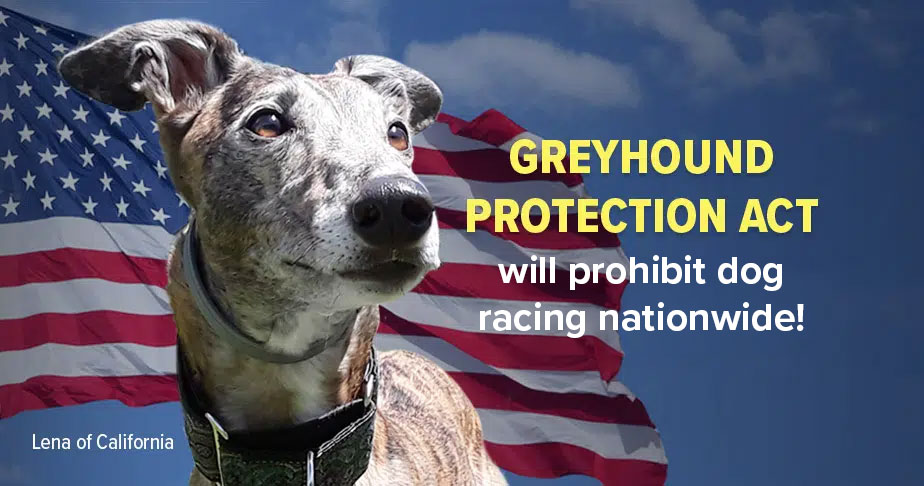
If you follow animal racing markets, the possible US greyhound racing ban is no niche story. It could wipe out one of the last legal greyhound betting channels in the country and force tracks, sportsbooks, and regulators to make fast decisions. That matters now because the issue is tied to the federal Farm Bill, which gives the proposal a path into a much larger political fight. For bettors, this is about market access and timing. For operators, it is about compliance, product mix, and reputation. And for the few states where the sport still survives, the stakes are blunt. What happens if a federal rule ends the business before local laws catch up? That question is no longer theoretical.
What stands out
- The Farm Bill could become the vehicle for a nationwide US greyhound racing ban.
- A federal ban would hit both racing and the betting markets attached to it.
- Only a small number of venues still run live greyhound racing in the US.
- Operators may need to shift customers toward horse racing, esports, or other approved products.
Why the US greyhound racing ban is back in focus
The current push comes from language linked to the Farm Bill, according to GamblingNews. The proposal would aim to halt greyhound racing in the United States, which would also undercut the betting activity built around those races.
That is the real story here. Greyhound racing has already been shrinking for years because of state bans, public pressure, and lower commercial relevance. A federal move would not start the decline. It would finish it.
Greyhound racing in the US is already hanging by a thread. Federal action would likely cut the last one.
Look, this is not a booming betting vertical. It is a remnant. But remnants still create legal, financial, and operational questions when Congress gets involved.
What the Farm Bill link means for betting markets
The Farm Bill is a massive piece of legislation with broad agricultural and animal welfare implications. Tucking a racing ban into that package changes the odds of serious debate, because lawmakers often treat these bills as must-pass machinery rather than stand-alone culture-war battles.
For betting operators, that means risk planning cannot wait for a final headline. If a ban advances, books and racing platforms may need to review:
- State-by-state exposure to greyhound wagering
- Supplier contracts tied to racing content
- Customer migration plans for affected bettors
- Disclosure and compliance language
- Brand risk, especially for consumer-facing platforms
And yes, brand risk matters. Animal welfare issues hit differently than tax disputes or licensing paperwork. They stick.
How big is greyhound racing in the US now?
Small. Very small.
The US greyhound sector has been in retreat for a long time. Many states have ended live dog racing, either through legislation or ballot measures, and public attention has shifted sharply against the practice. What remains is concentrated, fragile, and easy to miss unless you track racing policy for a living.
That shrinking footprint changes the betting math. If you are an operator, losing greyhound content is not like losing the NFL or a top soccer league. It is more like removing a side dish from the menu. Some customers will care, but the wider business likely absorbs the shock.
Still, niche markets can punch above their weight in one area: compliance complexity.
What happens to bettors if the US greyhound racing ban passes?
If the measure becomes law, bettors should expect legal greyhound wagering options in the US to dry up quickly, though the exact timeline would depend on the final text and any transition period. Some accounts or racing hubs could remove the product with little notice.
Here is the likely sequence:
- Tracks stop or prepare to stop live racing
- Betting platforms suspend greyhound markets
- State regulators issue guidance or enforcement notices
- Operators push users toward other racing or sports products
Honestly, the customer shift is the easy part. The hard part is making sure operators do not leave stale pages, dead links, or outdated market listings live after rules change. That is where compliance teams earn their keep.
Who would feel the pain first?
Tracks and racing businesses
They are first in line. A federal ban would strike at the core product, not just the wagering wrapper around it. Revenue from admissions, simulcast rights, and related spending would likely vanish or contract fast.
Betting operators
Most sportsbooks could live without greyhound content, but specialist racing platforms may feel a sharper sting. They would need to replace inventory, update systems, and handle customer questions with clean legal messaging.
State regulators
Regulators would need to align local rules with any federal change. That can get messy, especially if legacy statutes still mention greyhound permits, pools, or tax treatment.
It is a bit like renovating an old building. The wall you plan to remove is obvious. The wiring behind it is where the trouble starts.
The bigger issue behind the greyhound racing debate
This story sits at the intersection of gambling policy and animal welfare. Supporters of a ban argue that the sport has no defensible future given long-running concerns over dog treatment and injuries. Opponents, where they still exist, tend to focus on jobs, tradition, and regulated oversight.
But the momentum is one-way. That is my read after years of watching niche gambling products fade. Once a vertical loses political support, cultural legitimacy, and scale at the same time, recovery is rare.
Could a few stakeholders slow it down? Sure. Reverse it in a durable way? That looks unlikely.
What operators should do now
If your business touches racing content, waiting for the final vote is a mistake. A smart response is practical, dull, and non-negotiable.
- Audit exposure. Identify every greyhound racing market, feed, page, and supplier dependency.
- Review contracts. Check exit terms, content obligations, and payment triggers.
- Prepare customer messaging. Keep it clear and factual.
- Coordinate with compliance counsel. Federal and state timing may not line up neatly.
- Build replacement content plans. Horse racing, mainstream sports, and esports may fill gaps depending on your license scope.
That work is not glamorous. It is necessary.
What comes next
The source report points to a possible endgame for greyhound racing if the Farm Bill measure moves forward. The legislative path is still the story to watch, because large federal bills can change shape, stall, or shed controversial provisions before passage. But the direction is plain enough.
Greyhound racing in America looks closer to its final chapter than to any rebound. For bettors, this means fewer legal options in a fading category. For operators, it is one more reminder that betting menus are political products as much as commercial ones. The smart move now is simple. Act like the market is ending, then ask yourself what you want in its place.