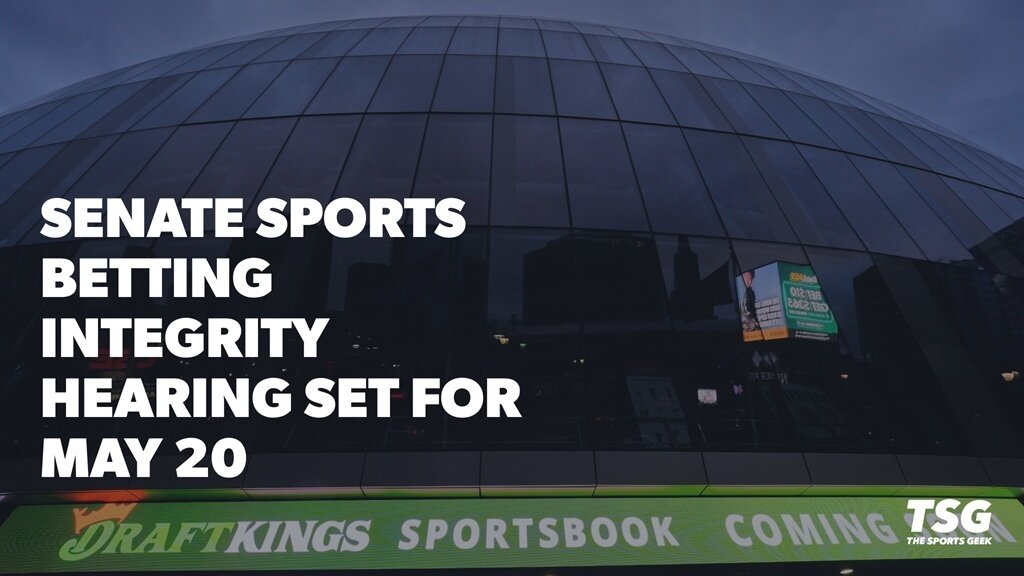
Senate Sports Betting Hearing and Game Integrity Risks
The U.S. sports betting market has grown fast, but the rules around it still look patchy. That matters if you bet, run an operator, work with affiliates, or oversee compliance. The coming Senate sports betting hearing on May 20 is drawing attention because lawmakers plan to examine a basic question. Has legalization moved faster than the guardrails needed to protect consumers and the games themselves? That is not a fringe concern. Since the fall of PASPA in 2018, legal sportsbooks have spread across much of the country, and with that growth has come fresh pressure around suspicious betting patterns, athlete harassment, advertising standards, and uneven state-by-state oversight. Look, Congress is not likely to rewrite the market overnight. But this hearing could shape the next phase of regulation, and smart companies should pay attention now.
What to watch
- The Senate is expected to focus on game integrity, consumer protection, and the speed of sports betting expansion.
- The hearing could increase pressure for tighter rules on data sharing, suspicious wager reporting, and advertising practices.
- Operators and affiliates may face more scrutiny if lawmakers decide state regulation is too inconsistent.
- Leagues, sportsbooks, and regulators all want legal betting to grow, but they do not agree on who should carry the compliance burden.
Why the Senate sports betting hearing matters now
The timing is not random. Legal wagering is now a major part of the U.S. sports economy, yet each state has built its own system with different tax rates, betting menus, enforcement tools, and consumer protections. That patchwork can work during calm periods. It starts to strain when a national issue hits.
Think about integrity monitoring. A suspicious prop bet tied to a college athlete can touch several states in hours, while the underlying investigation may involve a school, a league, a sportsbook, and a regulator that all use different standards. It is a bit like trying to referee one game with fifty rulebooks.
Legalization solved part of the problem by moving betting into licensed channels. It did not solve the harder part, which is building consistent oversight across state lines.
And that is where Congress sees an opening.
What lawmakers are likely to ask about sports betting integrity
1. Are current integrity systems strong enough?
Most major operators already use integrity monitoring services and share alerts with regulators and leagues. That is useful, but it is not the same as a single national standard. Lawmakers will likely ask whether suspicious activity reports are fast enough, detailed enough, and shared widely enough to stop manipulation before it spreads.
Expect discussion around college sports in particular. Lower-paid athletes, smaller programs, and niche betting markets can create weak spots. If you have covered this sector for years, you have seen the pattern before. Bad actors look for the soft edge of the market, not the brightest spotlight.
2. Are prop bets creating avoidable risk?
Player props are popular because they drive engagement and hold, but they also raise harder integrity questions. A bet on a game result is one thing. A bet on a highly specific micro-event can be easier to influence, especially in lower-profile competitions.
That does not mean props vanish tomorrow. But lawmakers may press witnesses on whether some categories should face tighter limits, especially in college sports.
3. Who protects bettors from harm?
The hearing is also likely to explore affordability checks, self-exclusion systems, marketing practices, and the ease of access that mobile betting creates. Sportsbooks will argue that regulated markets are safer than offshore sites. Fair point. Still, if the legal market wants political cover, it needs to show cleaner evidence that its safeguards work.
How the Senate sports betting hearing could affect operators and affiliates
If you run a sportsbook or acquisition program, this hearing is not just political theater. It could point to future expectations from both federal lawmakers and state regulators, even if no federal bill moves right away.
- Compliance teams may need deeper audit trails. Expect more focus on bet monitoring, source-of-funds checks, and faster escalation paths for unusual activity.
- Marketing claims could get tighter review. Bonus language, risk-free wording, and celebrity-driven promotions have already drawn attention in several states.
- Affiliate oversight may get stricter. If lawmakers think acquisition channels encourage reckless play or misleading offers, operators will feel pressure to clean up partner standards.
- College betting products may face limits. Some states already restrict certain college props. That trend could spread.
Honestly, the industry should prepare as if tougher scrutiny is coming, because it probably is.
Will this lead to federal sports betting rules?
Probably not right away. But that is the wrong short-term question.
The better question is whether the hearing shifts the policy mood. Hearings often work as signal events. They put witnesses on record, build a public case for action, and give state regulators political cover to move first. If Congress frames sports wagering as a consumer and integrity issue instead of a tax and entertainment issue, the tone changes fast.
A full federal framework would be difficult because states guard their authority, and the gambling lobby is not eager to invite Washington into the room. Still, narrower federal ideas could gain traction. Think baseline data-sharing expectations, advertising standards, or integrity reporting rules tied to interstate concerns.
Where the real pressure points sit
The betting boom did not create every problem being discussed. It did expose where old assumptions no longer hold.
- Scale: Mobile sportsbooks can move betting volume across state lines at high speed.
- Granularity: Micro-markets and live betting create more points of possible manipulation.
- Visibility: Athletes now hear directly from angry bettors through social platforms.
- Inconsistency: State rules differ on enforcement, reporting, and permitted bet types.
Here is the thing. Legalization brought betting into the open, which is better than pretending the market did not exist. But open and orderly are not the same word.
What smart companies should do before the Senate sports betting hearing
If you are in this business, waiting for a formal rule change is a mistake. The operators that handle pressure best tend to move before the letter from a regulator arrives.
Practical steps
- Review integrity escalation procedures and test response times for unusual betting alerts.
- Audit affiliate and media partner language for bonus claims, audience targeting, and responsible gambling disclosures.
- Recheck college betting menus, especially props and lower-liquidity markets.
- Document consumer protection controls in plain English so they can stand up to outside scrutiny.
- Strengthen communication lines with leagues, data providers, and state regulators.
That last point matters more than it sounds (and most firms still underinvest in it). In a fast-moving integrity issue, clean coordination can matter as much as the monitoring tool itself.
The bigger test after May 20
The Senate sports betting hearing will not settle the national argument in one afternoon. But it will show which risks lawmakers think are non-negotiable, and which industry talking points are starting to wear thin.
I have watched enough gambling policy cycles to know the pattern. Markets expand first. Oversight catches up later, usually after a flashpoint. The question now is whether the industry helps shape that next phase, or waits for lawmakers to do it for them. If you are operating in sports betting, this is the moment to act like stricter standards are already on the way.