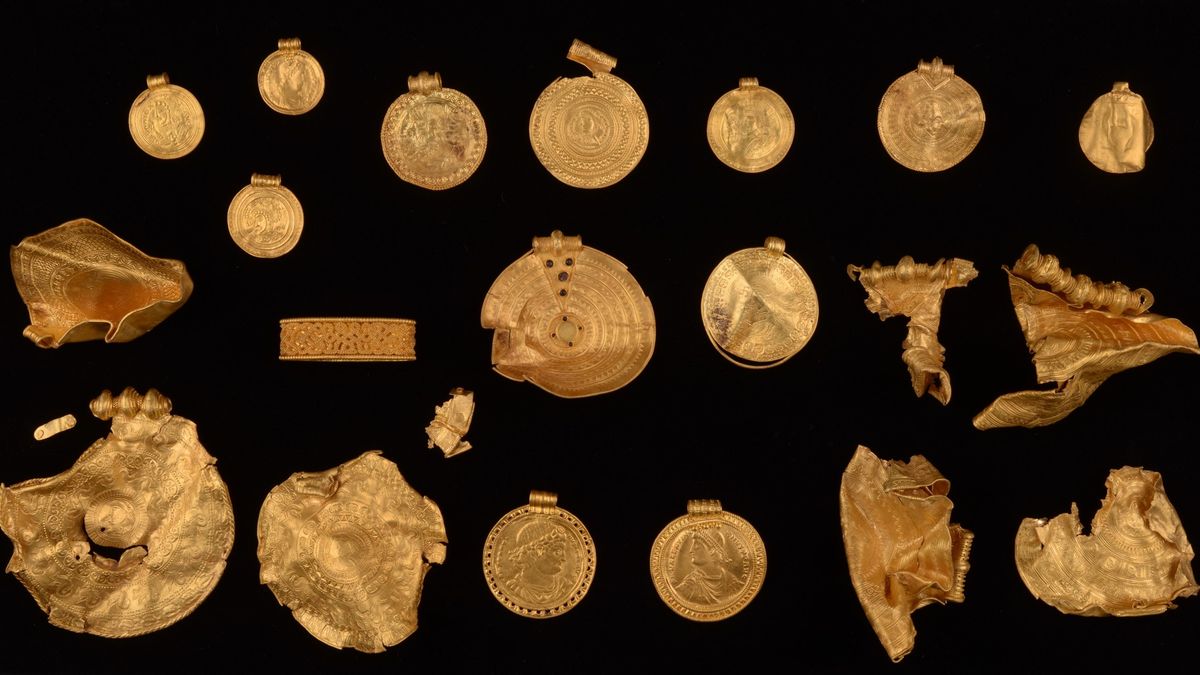
Treasure Hunters Find Gold Worth a Fortune After Years of Search
Treasure hunting looks glamorous from the outside. The reality is slower, messier, and full of dead ends. That is why this treasure hunt story matters. After years of disappointment, a search finally paid off with a gold discovery worth a fortune, and it shows how patience, research, and the right tools still drive results in treasure hunting gold find cases. If you have ever wondered why people keep digging after months or years of nothing, this is the answer. The payoff can be huge, but the path there is rarely clean. Look, the waiting is the job.
- Long searches often fail before they succeed.
- Good site research matters as much as equipment.
- Permission and legal rules shape every serious hunt.
- The best finds usually come from persistence, not luck alone.
Why this treasure hunting gold find stands out
The hook here is not just the gold. It is the grind behind it. Most people picture a dramatic discovery and skip the years of false starts, careful scanning, and little to show for the effort. But that slow stretch is where most serious finds are made.
Treasure hunting is a lot like construction. You can show up with good tools, but if the foundation is wrong, the structure fails. Hunters who study old maps, property records, and local history usually have a better shot than people who swing a detector at random ground.
Big finds usually reward the people who stay methodical after the excitement wears off.
What made the search finally pay off?
The exact details vary by hunt, but the pattern is familiar. The best recoveries often come after repeated visits, better reading of the terrain, and a stronger sense of where people once lived, traded, or lost valuables. A detector alone does not solve the problem. The context does.
That is where many hobbyists get stuck. They chase signal tones before they understand the site. Why scan the same empty patch again and again if you have not checked the history behind it?
Three factors that usually matter most
- Site history. Old settlements, river crossings, camps, and abandoned routes are stronger targets than random open land.
- Persistence. Many finds require revisiting a location after rain, erosion, or a new search pattern exposes buried items.
- Legal access. Permission from landowners and local rules can make or break a recovery.
What this says about treasure hunting today
Modern treasure hunting still runs on old-fashioned discipline. GPS, metal detectors, and mapping apps help, but they do not replace field sense. The people who do best tend to combine research with patience, then adjust when the ground proves them wrong.
There is also a practical lesson here for anyone chasing a long-shot payoff. Don’t confuse motion with progress. A lot of scanning can still lead nowhere if you keep repeating the same mistake.
How to improve your own search odds
If you are serious about treasure hunting, start with a tighter process. Think like a detective, not a gambler.
- Study old maps before you ever turn on a detector.
- Talk to local historians and landowners.
- Mark every signal and pattern, even the bad ones.
- Return after weather changes the ground.
- Keep records so you do not waste time retesting dead zones.
And yes, the gear matters. But it is the least interesting part. The real edge comes from knowing where people once gathered, moved, and dropped things of value. That is the part many hobbyists overlook.
Treasure hunting gold find stories endure because they reward patience in a world that hates waiting.
The bigger lesson behind the fortune
Every once in a while, a search that looked foolish starts to look brilliant in hindsight. That does not mean every hunt turns into a windfall. Most will not. But the rare win is built on a stack of small decisions that looked dull at the time.
So the next time someone says treasure hunting is all luck, ask them this. Would the fortune have appeared without the years of failed attempts first?
What to watch next
The next big treasure hunting gold find will probably not come from a movie-style stunt. It will come from someone who did the homework, respected the land, and stayed stubborn long after others quit. That is the version worth paying attention to.