Texas Prediction Market Hearings Put Sports Contracts on Trial
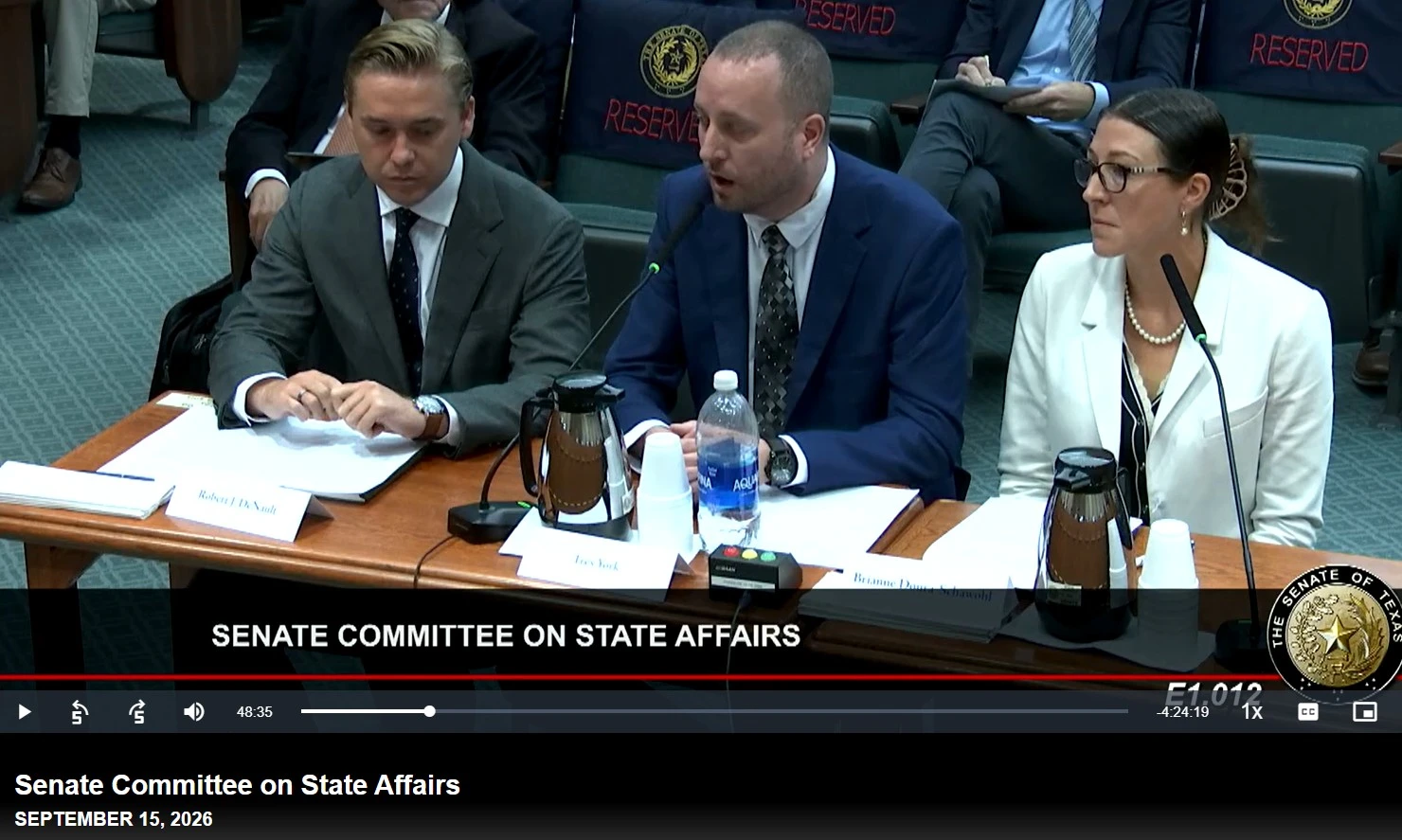
If you follow sports betting policy, Texas has become the place to watch because the state still blocks online sportsbooks while federally regulated prediction markets push into sports outcomes. The Texas prediction market hearings captured that tension in plain view. Lawmakers, regulators, lobbyists, and market operators are now circling the same question: does a contract tied to a game result count as a financial product or an illegal sports bet? That distinction matters because it could decide whether Texans can trade sports outcomes without the Legislature approving mobile wagering. Legal Sports Report’s account of the hearing shows a debate that is less about clever product labels and more about power, jurisdiction, and consumer risk. And honestly, the labels are doing a lot of work here.
What Stood Out
- The core fight is jurisdiction. Texas officials want state gambling law to matter, while prediction market firms point to federal derivatives oversight.
- Sports contracts are the flashpoint. Political and economic event contracts draw scrutiny, but game-result markets trigger the loudest objections.
- Texas remains a pressure test. A state with no legal online sports betting is an awkward home for sports outcome trading.
- Consumer protection is the practical issue. Age checks, responsible gaming tools, advertising rules, and dispute handling need clear answers.
Why the Texas Prediction Market Hearings Matter
The Texas prediction market hearings matter because they put a national conflict into a state-level frame. The Commodity Futures Trading Commission has authority over derivatives markets, including designated contract markets. State gambling regulators, though, have their own mandates. They police betting activity inside state borders.
That overlap was easy to ignore when prediction markets focused on elections, inflation, weather, or macroeconomic events. Sports changed the temperature. A contract on whether Dallas beats Philadelphia feels different to lawmakers than a contract on rainfall totals, even if both can be structured as binary event contracts.
Here’s the thing: form matters in finance, but function matters in gambling law.
Texas Prediction Market Hearings Exposed the Label Problem
Prediction market operators tend to frame their products as event contracts. That term sounds clean, almost sterile. Users buy positions based on whether a defined event happens, and the contract resolves at a set value.
Sports betting uses different language. You place a wager, choose an outcome, and win or lose based on a game. The mechanics are not identical, but the consumer experience can look close enough to raise hard questions.
The real fight is simple: if a product pays out on a game result, Texas officials are likely to see betting, while market operators are likely to see a federally regulated contract.
That split is why the hearing matters beyond Texas. If a prediction market can offer sports contracts nationwide under federal market rules, states that spent years building licensed sportsbook systems may see that as a back door. If states can block those contracts under gambling statutes, prediction market firms lose the clean national model they want.
The Sports Betting Angle Texas Cannot Avoid
Texas has resisted legal online sports betting despite heavy lobbying from teams, leagues, and sportsbook brands. That makes prediction markets awkward. They could give Texans exposure to sports outcomes while FanDuel, DraftKings, BetMGM, and Caesars remain locked out of the regulated state market.
What should lawmakers do if one product is banned because it is called a sportsbook wager, while a similar consumer act is allowed because it is called an exchange contract?
That question lands hard in Texas because the state has not made the usual trade: legal access in exchange for taxes, licensing, geolocation, responsible gambling controls, and enforcement power. Prediction markets threaten to scramble that bargain before Texas has even accepted it.
What Regulators Are Really Worried About
The public argument often centers on definitions. The quieter concern is control. If sports event contracts sit mostly under federal market rules, Texas has less say over how products are marketed, who can access them, and what happens when users develop harmful behavior.
Look, financial regulation has serious guardrails. But those guardrails were built for markets, not for the rhythms of sports fandom. Live games, parlays, promos, and social media chatter create a different risk profile than a quarterly GDP contract.
Questions Texas officials should press
- How are users screened for age and location?
- What responsible gaming tools exist, and are they mandatory or optional?
- Can users self-exclude across all related products?
- How are sports markets advertised during games?
- What happens when a disputed game result, postponement, injury report, or league ruling affects settlement?
- Who audits market integrity and trading patterns?
Those are not theoretical concerns. Sportsbooks already answer versions of these questions in legal betting states. Prediction market firms should expect the same level of scrutiny if they want to operate in sports.
Federal Law Versus Texas Gambling Law
The hardest legal issue is preemption. If a federally regulated exchange lists a contract, can a state treat that same activity as illegal gambling? That is the expensive fight sitting under the hearing-room sound bites.
The CFTC has wrestled with event contracts for years, especially around elections and gaming-related activity. The agency can block contracts that involve unlawful activity, terrorism, assassination, war, gaming, or other areas contrary to the public interest under the Commodity Exchange Act. But the line around “gaming” becomes messy when a contract is listed by a regulated market rather than a casino or sportsbook.
Texas does not need to solve that doctrine in one hearing. Still, the state can set the political tone. A skeptical record from lawmakers gives state regulators and attorneys more cover if they decide to challenge sports contracts later.
What Operators Should Learn From the Hearing
Prediction market firms should not treat state objections as mere noise. That would be a mistake. State gambling agencies know how to build public cases, and lawmakers know how to turn consumer confusion into political pressure.
A smarter strategy would start with plain answers. If an operator believes its sports contracts are not sports betting, it should explain the difference without hiding behind jargon. If the answer depends on federal licensing, say that. If users can trade in ways that resemble betting, admit the overlap and show the safeguards.
Think of this like building a stadium. You can have the land, the money, and the design, but if the exits are poor and the crowd plan is weak, the project will get hammered. Product structure is only one part of the approval fight.
What Texas Lawmakers Should Avoid
Texas lawmakers should resist lazy framing too. Calling every prediction contract a casino product ignores real uses for event markets, including hedging, forecasting, and risk transfer. Farmers, businesses, and traders have long used markets to manage uncertainty.
The better approach is narrower and tougher. Focus on sports outcome contracts, consumer-facing apps, advertising, and products that mimic the sportsbook experience. That gives Texas a clearer target and avoids a broad attack on legitimate financial markets.
The Next Move in the Texas Prediction Market Hearings Fight
The Texas prediction market hearings did not settle the legal question. They sharpened it. Sports event contracts now sit in the gap between two regulatory systems, and both sides can point to real law, not only policy preference.
For readers watching the betting market, the practical signal is clear. Prediction markets are no longer a niche finance story. They are now part of the sports betting regulation fight, especially in states where online sportsbooks remain illegal.
My bet, if you will forgive the word, is that Texas will not let this pass quietly. The next step is likely more pressure on regulators, more letters, more legal positioning, and a sharper demand that operators explain exactly what Texans are buying when they click on a sports contract.