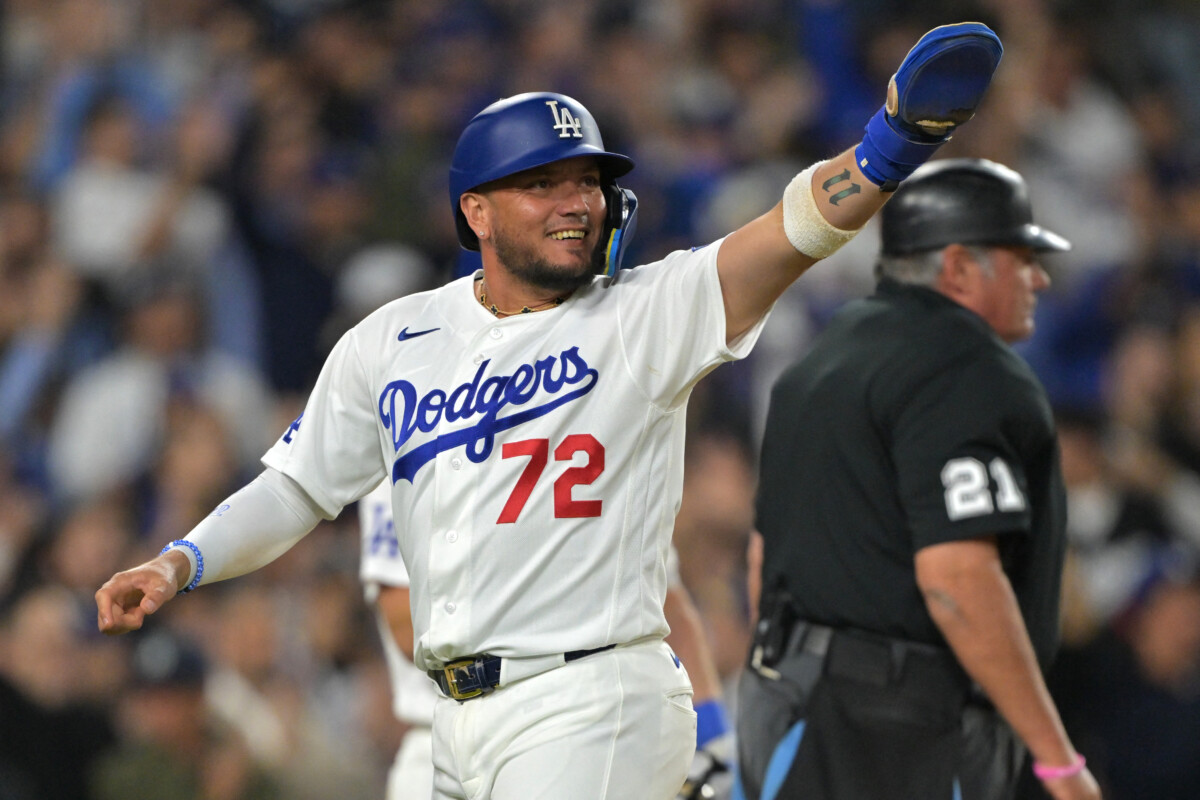
Miguel Rojas Postseason Role Puts Dodgers Depth Under the Microscope
You do not need a box score to know October can be unforgiving. One injury, one bad read, one awkward swing, and a trusted veteran can go from steady piece to daily debate. That is why the Miguel Rojas postseason role matters for the Los Angeles Dodgers right now. Heavy reported on Rojas and the way his postseason fit drew attention, especially as the Dodgers balanced health, defense, and lineup options. For a club built to win every year, the margins are thin. Rojas is not the loudest name on the roster, but players like him often decide whether a team survives the messy middle innings of playoff baseball. And here is the uncomfortable part. A role player has less room for error than a star. Fair? Maybe not. Real? Absolutely.
What Stands Out
- Rojas’ value starts with defense, especially at shortstop and across the infield.
- His postseason usage showed the Dodgers’ trust in veteran stability, even when the lineup calculus got tight.
- Health changed the conversation, because October exposes every physical limitation.
- The Dodgers’ depth is a strength, but it can also create hard choices for established players.
Why the Miguel Rojas Postseason Role Became a Real Dodgers Question
Rojas gives the Dodgers something managers crave in October. He can catch the ball, make the routine play, and keep the infield organized. That sounds plain until a playoff game turns on a rushed throw or a missed cutoff.
But postseason baseball asks more than one skill. You need enough offense to avoid becoming an automatic out. You need enough mobility to handle hard contact in the hole. You need enough health to repeat your best actions under pressure. Rojas’ case sits right at that intersection.
Look, this is not a knock on his career. It is the opposite. Rojas has lasted because he knows exactly who he is as a player. He is a defense-first infielder with veteran feel, clubhouse credibility, and the kind of baseball IQ that does not show up cleanly in a stat table.
The Dodgers’ problem is not whether Miguel Rojas can help a contender. The problem is deciding when his best traits outweigh the offensive and health tradeoffs that come with a short playoff series.
How Dodgers Depth Changes the Miguel Rojas Postseason Role
The Dodgers do not operate like a team hoping one lineup clicks. They collect options. That includes stars, platoon bats, defensive subs, utility types, and late-game matchup answers. It is smart roster building, but it can squeeze a veteran quickly.
Think of it like a chef working with a packed station. The best knife is not always the right tool for every cut. Rojas may be the right player when the Dodgers need clean defense, calm hands, and positional cover. He may not be the first choice when they need extra-base threat or more range from a healthier defender.
That is where a postseason role can feel smaller than a regular-season role. Over 162 games, a team has time to absorb cold stretches and injuries. In October, every plate appearance feels like a job interview.
What the Dodgers likely weigh
- Defensive reliability: Can Rojas handle shortstop, third base, or second base without adding risk?
- Physical condition: Is he moving well enough to defend at playoff speed?
- Matchups: Does the opposing starter give him a path to useful at-bats?
- Bench balance: Do the Dodgers need a glove, a bat, or a runner more that night?
- Clubhouse trust: Does his experience help younger players stay settled?
That last point is hard to measure, and front offices still care about it.
The Health Factor Nobody Can Ignore
Postseason conversations can get too tidy. People say a player should hit more, run better, or make every play. Then the injury report leaks out, and the whole picture changes.
Rojas has dealt with physical issues in recent seasons, and any lower-body problem can be brutal for an infielder. Shortstop is not played in a straight line. It is stops, bursts, pivots, throws from bad angles, and recovery steps after contact. If your body is even a little compromised, the game finds it.
So what should the Dodgers do with that information? They should be ruthless, but not cold. There is a difference. A winning club respects what a veteran has given while still making the lineup decision that gives the team the best chance that night.
Honestly, that is the part fans sometimes resist. Loyalty feels good in June. In October, loyalty has to share the room with run expectancy, matchup data, and medical reality (even when the public only sees a fraction of it).
What Rojas Still Gives Los Angeles
Rojas still has a clear use case. He is the kind of player a manager wants available when a late lead needs protection. If the Dodgers are ahead by a run and need steadier infield defense, his name belongs in the conversation.
He also gives the roster cover. Injuries happen. Slumps happen. A star needs a day at designated hitter. A utility player gets shifted to the outfield. Suddenly, the veteran infielder who looked like a luxury becomes necessary.
Best-fit situations for Rojas
- Late-inning defense with a narrow lead.
- Starts against a favorable pitching matchup.
- Shortstop cover if the primary option needs rest or treatment.
- Clubhouse support during a tense series.
- Contact-focused at-bats when a ball in play has real value.
Would you rather have one more bench bat who can only pinch hit, or a veteran who can protect three infield spots?
The Bigger Dodgers Lesson
The Rojas discussion says as much about the Dodgers as it does about the player. This organization is built around depth, and depth only works if good players accept uneven roles. That is easy to praise from the outside and difficult to live through inside a clubhouse.
For Rojas, the path is clear but narrow. Stay healthy, defend at a high level, take professional at-bats, and be ready when the game asks for his specific skill set. For the Dodgers, the task is just as sharp. Do not overvalue reputation, but do not ignore trust earned over years either.
Heavy’s report puts a spotlight on a familiar October truth. Playoff rosters are not built only around stars. They are built around fit. The Dodgers have enough headline talent. What they need from Rojas is simpler and harder. Be ready, be honest about the body, and turn the ball into outs when the game gets tight.
The Next Dodgers Decision
Rojas does not need to be framed as a problem. He is a specific answer to specific baseball questions. The Dodgers just have to ask those questions without sentiment clouding the board.
If his body cooperates, the Miguel Rojas postseason role still has value. If it does not, Los Angeles has enough depth to adjust. That is the cold math of a contender, and it is why the next October roster call around Rojas will tell us plenty about how the Dodgers balance respect, evidence, and winning.