State Sports Betting Rules Face Federal Pushback
You rely on clear rules if you work in regulated gambling. That is why the latest fight over state sports betting rules matters right now. A group of state attorneys general is urging a federal agency to back off and let states keep control over how legal sports wagering is regulated. Their message is blunt. States have already built licensing systems, consumer protections, enforcement tools, and market oversight after the fall of PASPA in 2018. They do not want Washington stepping in with a second layer of control that could slow approvals, raise costs, and muddy compliance. For sportsbooks, affiliates, payment firms, and state regulators, this is more than a legal turf battle. It could shape how fast the market moves, how rules are enforced, and who gets the final say when disputes hit.
What matters most
- State attorneys general argue that sports betting oversight should remain with state regulators.
- The dispute centers on whether a federal agency should play a larger role in policing gambling-related practices.
- Operators could face added compliance costs if federal and state standards overlap.
- The fight reflects a bigger question about who should control the U.S. betting market as it matures.
Why state sports betting rules are under pressure
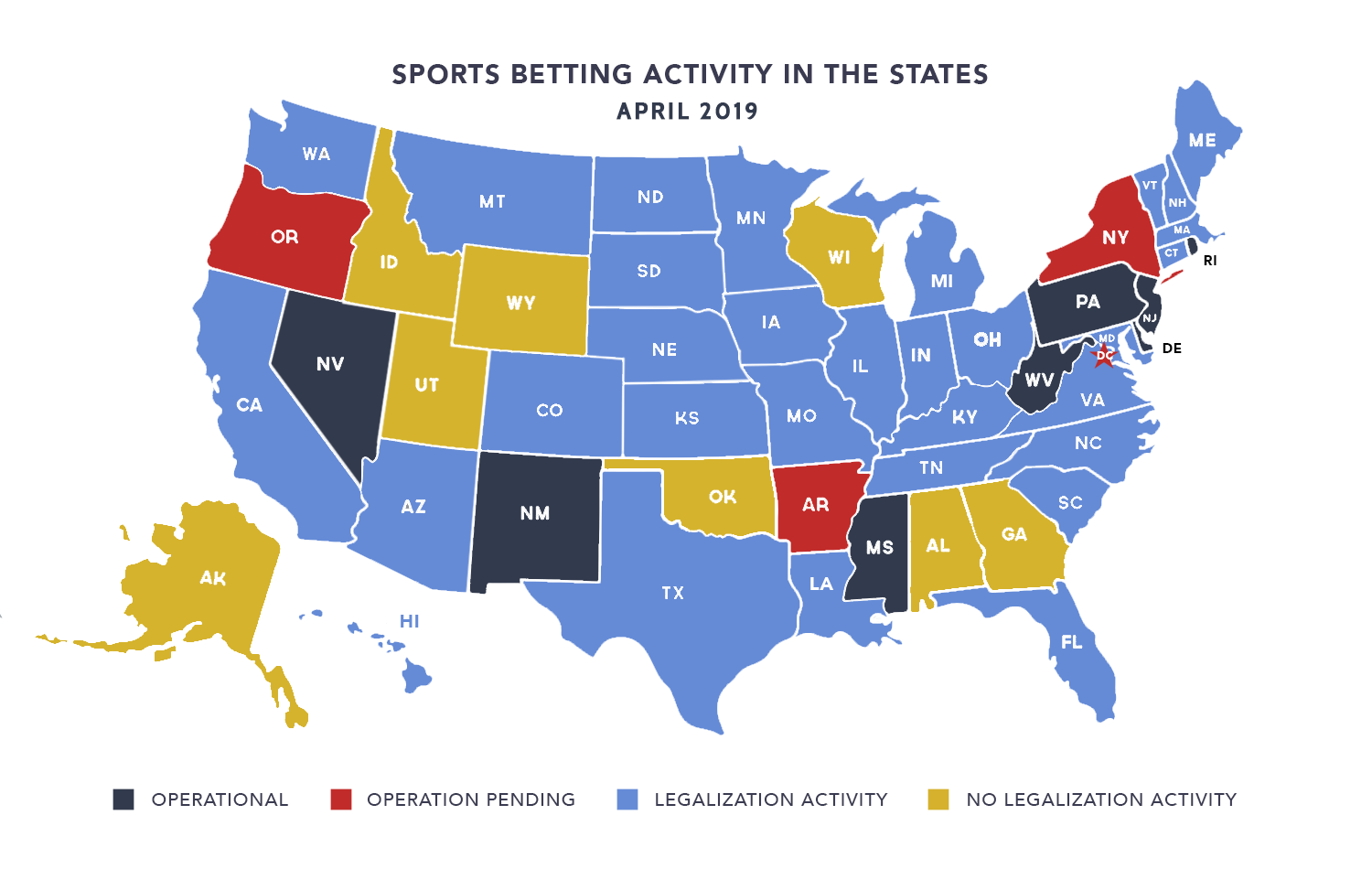
Since the Supreme Court struck down PASPA, states have moved fast. More than 30 states now allow some form of legal sports betting, and each market runs on its own framework for licensing, advertising, geolocation, integrity monitoring, and responsible gambling. That patchwork can be messy, sure. But it is also the system the industry actually uses.
The attorneys general say federal involvement is not needed because states are already doing the job. Their view is simple. Sports betting is legal only where state law says it is legal, so state agencies should remain the primary referee.
States are arguing that adding federal oversight on top of existing state regulation would create friction without solving a clear failure in the current system.
Look, this is not a fringe complaint. State regulators have spent years building these markets from scratch. They do not want a federal agency walking in after the hard part is done and acting like the lead architect.
The core argument from the attorneys general
Based on the reported letter, the attorneys general are pushing the idea that gambling regulation has long been handled at the state level. They argue that this setup respects state law, reflects local voter choices, and lets regulators respond to conditions in their own markets.
That point lands because sports betting rules vary for real reasons. Some states allow college betting. Others limit it. Some allow statewide mobile wagering. Others require in-person registration or keep betting tied to casinos. A one-size-fits-all federal standard could clash with those choices fast.
And there is a second issue. Enforcement authority.
If a federal agency claims broader power over sports betting practices, operators may need to answer to two masters at once. That usually means more paperwork, longer reviews, more legal spend, and slower product changes. None of that helps consumers much if the state system is already functioning.
What this means for operators and suppliers
For sportsbooks, platform providers, and vendors, the big risk is overlap. Compliance teams already deal with different rules across New Jersey, Ohio, Pennsylvania, Colorado, and other markets. Add federal scrutiny on top, and the burden gets heavier in a hurry.
Likely pain points
- Duplicated compliance work. Operators may need to adjust policies for both state and federal expectations.
- Slower launches. New products, promotions, or partnerships could face extra review.
- Higher legal costs. Conflicting guidance often sends companies straight to outside counsel.
- More enforcement uncertainty. Firms may struggle to tell which regulator has the final word.
Here is the practical issue. Legal betting markets run on timing. If you miss football season with a delayed launch or spend months rewriting terms that already passed state review, the damage is real.
Do consumers benefit from more federal oversight?
That is the right question, isn’t it?
Supporters of a larger federal role would likely argue that national standards can improve consistency, especially in areas like advertising, data use, or consumer protection. There is some logic there. The current state-by-state setup can confuse players and burden national brands.
But the counterargument is stronger in this case. State sports betting rules already cover core consumer issues in many jurisdictions, including age checks, self-exclusion, anti-money laundering controls, and dispute resolution. If the federal government wants to help, it should identify a specific gap instead of reaching for broad power.
Honestly, the U.S. betting market already has enough moving parts. Adding another regulator without a clear problem to solve feels like adding a second pit crew in the middle of a race. Busy, expensive, and likely to cause a collision.
How state sports betting rules became the standard
The post-PASPA era created a messy but workable model. State legislatures passed laws. Gaming commissions wrote regulations. Operators adapted. Over time, those rules became the operating standard for the legal market.
That matters because state regulators are not guessing. They have direct experience with licensing bad actors, handling suspicious wagering reports, reviewing promo terms, and coordinating with law enforcement and sports leagues. In many cases, they know the market better than any federal office would.
(And yes, states have made mistakes. Some rules were too loose. Others were too rigid. But they have the authority to fix them.)
This is where the attorneys general have a solid case. If the federal agency cannot show that state regulation is failing at scale, it is hard to justify stepping in as a lead overseer.
What to watch next
This dispute could stay narrow, or it could grow into a wider fight over federal power in gambling. Much depends on how aggressively the agency moves and whether courts are asked to sort out the limits of that authority.
Keep an eye on these signals:
- Any formal agency action that expands oversight of sports betting businesses.
- New legal challenges from states, trade groups, or operators.
- Statements from major state regulators, especially in large markets.
- Whether Congress shows interest in a broader federal sports betting framework.
One thing is clear. The more mature the U.S. sports betting market gets, the more these jurisdiction fights will matter. Early on, the industry was focused on legalization. Now the fight is about control.
Where this fight is headed
The attorneys general are making a states-rights argument, but this is also a market-efficiency argument. They are saying the current model may be uneven, yet it works well enough to support legal wagering, tax collection, and consumer safeguards. That is a serious point, not political theater.
If federal officials want a bigger role, they need a sharper case than broad concern. They need evidence of widespread harm that state sports betting rules cannot handle. Until then, expect states to keep defending their turf, and expect the industry to side with the regulators that actually issue the licenses.
The next phase of U.S. betting will not turn on who shouts loudest. It will turn on who can prove they make the market safer without making it slower.