Spotlight Sports Group Engage Games Partnership Targets Betting Content
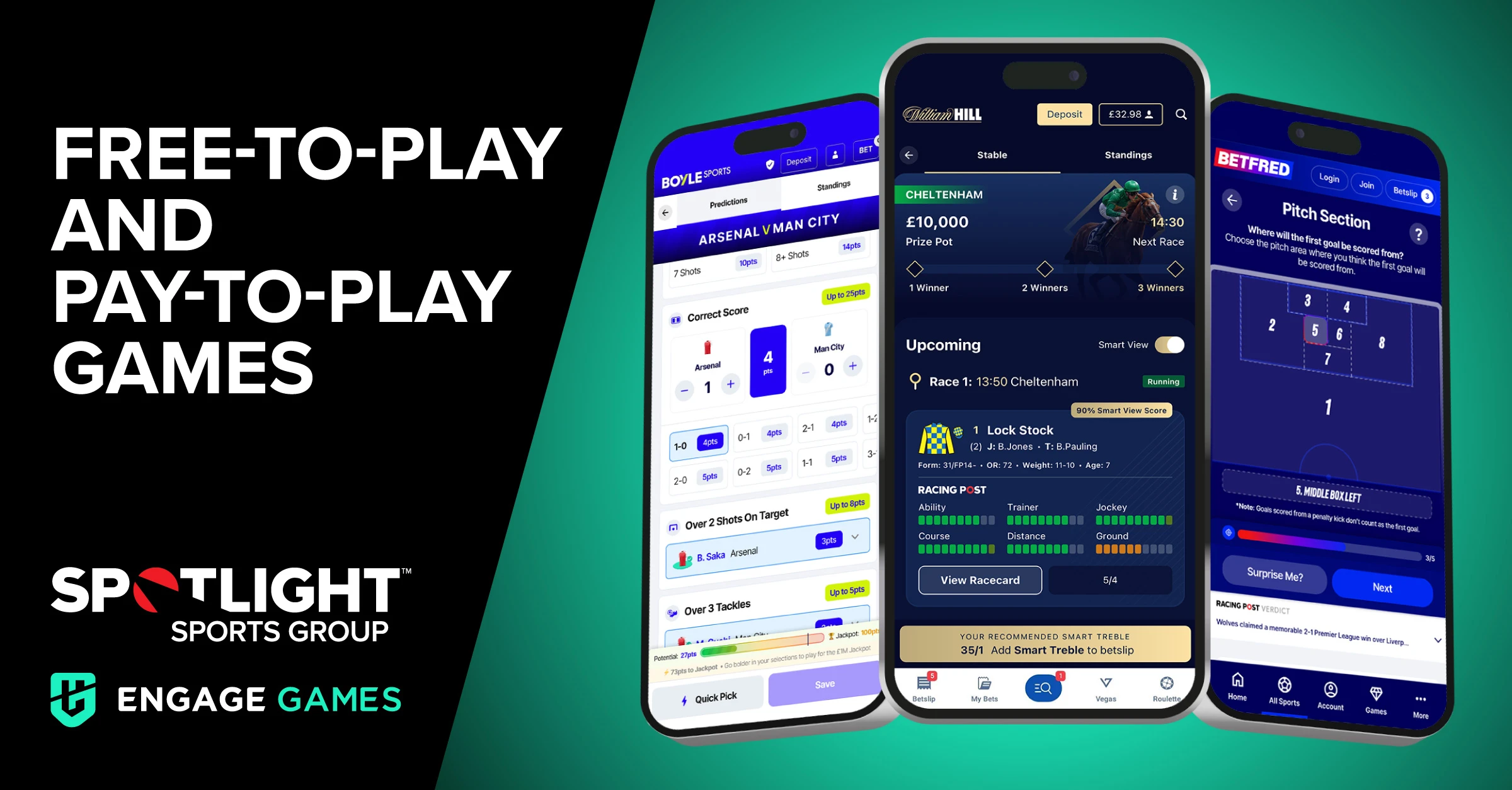
Operators have a stubborn problem: players can open an app, scan the odds, and leave in seconds. The Spotlight Sports Group Engage Games partnership matters because it points to a more useful way to hold attention, through sports content tied closer to play. According to iGamingBusiness, Spotlight Sports Group has agreed a partnership with Engage Games, bringing together SSG’s sports betting content expertise with Engage Games’ operator-facing gaming network. That is timely. Betting brands are under pressure to improve retention, reduce bonus dependence, and offer sharper pre-event experiences without burying users in clutter. Better content will not fix a weak sportsbook, but it can make the difference between a passive visit and a second bet.
Why the deal is worth watching
- Content is becoming a retention tool. Odds alone rarely keep casual bettors engaged for long.
- Spotlight Sports Group brings proven sports media muscle. Its Racing Post heritage gives it credibility in racing, tips, data, and editorial betting services.
- Engage Games gives the partnership distribution potential. Supplier and platform relationships matter if content is going to reach operators at scale.
- The deal fits a wider shift in iGaming. Operators want products that blend betting, gaming, data, and editorial context.
What the Spotlight Sports Group Engage Games partnership actually signals
Look, the headline is a partnership, but the bigger story is about operator economics. Sportsbooks and casinos are trying to stretch each customer visit, and content is one of the cleaner ways to do it.
Spotlight Sports Group has spent years turning sports data, racing insight, and editorial judgment into betting products. Engage Games, meanwhile, sits closer to game delivery and operator relationships. Put those pieces together and you get a practical pitch: help betting brands add context around events, tips, previews, and engagement features without building the whole stack themselves.
That is the real test.
Does the content feel useful at the exact moment a player is deciding what to do next? If it lands too early, it becomes background noise. If it lands too late, the bet has already been placed or abandoned.
For operators, the value is not content volume. The value is timing, relevance, and trust, especially in markets where players can compare five betting apps in under a minute.
Why mainKeyword-style content deals are gaining ground
The Spotlight Sports Group Engage Games partnership fits a pattern I have watched for years in betting technology. Suppliers once sold modules in neat boxes: odds, games, widgets, payments, CRM. That tidy model is fading because player journeys are messier than product diagrams.
A football bettor might read a team news update, check a boosted price, play a quick game, return for in-play odds, then leave after a cash-out. The operator that controls more of that journey has more chances to retain the customer, but only if the experience stays coherent.
Think of it like a football manager building a midfield. You can buy talented individuals, but if nobody links defence to attack, the team still looks disjointed. Content can be that connector, provided it has a clear job.
What operators should ask before adopting content tools
- Where will the content appear? A buried tab will not move behaviour. Placement near event pages, bet builders, or racing cards has more chance of being used.
- Who is it for? A racing regular wants form, pace, going, and trainer signals. A casual football bettor may need shorter prompts and plain English.
- Can it be measured? Operators should track dwell time, click-through, bet conversion, repeat visits, and responsible gambling signals.
- Does it match the brand voice? Generic previews can weaken trust. Bettors can smell filler fast.
Where Spotlight Sports Group has an edge
Spotlight Sports Group is not a random content shop chasing the iGaming budget. Its Racing Post roots give it a long record in horse racing, while its wider business has pushed into sports betting services, affiliate products, and data-backed editorial tools.
That matters because betting content is easy to make badly. Anyone can publish a match preview with odds references and a thin prediction. Fewer teams can combine data, editorial judgment, and a user flow that helps a bettor act.
Here’s the thing: trust is earned in small moments. A tip that explains risk clearly, a racing insight that does not overpromise, or a preview that says why a market is volatile can build more loyalty than another generic promotion.
What Engage Games may get from the tie-up
For Engage Games, the benefit appears to be product depth. Adding recognised betting content can help its operator clients create richer experiences around sports and gaming, especially if the content can sit close to existing engagement products.
This is where many partnerships stumble. The press release sounds tidy, then integration gets clunky, content looks bolted on, and operators quietly stop promoting it. The winners tend to be the suppliers that package the service well, support localisation, and keep the commercial model simple.
Engage Games may also gain a sharper pitch in crowded B2B sales conversations. Instead of selling another engagement layer, it can talk about an experience that connects game mechanics, sports interest, and betting intent (assuming the implementation backs that up).
The responsible gambling angle cannot be an afterthought
Any tool designed to increase engagement needs guardrails. That does not mean content is harmful by default, but operators should avoid pushing confident-sounding tips in ways that encourage reckless staking.
Good betting content can help here if it is framed well. It can explain uncertainty, market movement, team news, form, and probability rather than shouting at users to act. Regulators in mature markets, including the UK Gambling Commission, have made clear that customer protection and marketing standards are non-negotiable.
- Use clear language around odds and probability.
- Avoid pressure cues around last-minute bets.
- Keep safer gambling tools visible near high-engagement areas.
- Review content performance for signs of harmful play, not only conversion.
What this means for operators now
If you run an sportsbook or gaming brand, do not treat the Spotlight Sports Group Engage Games partnership as another supplier announcement to skim past. Treat it as a prompt to audit your own content layer.
Ask a blunt question: does your app help users make sense of events, or does it only display prices? If the answer is mostly prices, you may be giving customers too little reason to stay.
The practical next step is simple. Map your top user journeys, then identify the moments where a short preview, data point, racing note, or bet explanation could reduce friction. Start with one sport or one vertical, measure behaviour, and resist the urge to flood every screen.
The next battleground is useful attention
The betting market does not need more noise. It needs products that respect the user’s time while giving operators a fair chance to build loyalty.
The Spotlight Sports Group Engage Games partnership lands right in that gap. If the two companies can turn sports insight into well-placed, measurable engagement, operators will pay attention. If it becomes another content feed with a fancy label, bettors will swipe past it without a second thought.
The smart move? Watch how quickly this shifts from partnership announcement to live operator performance.