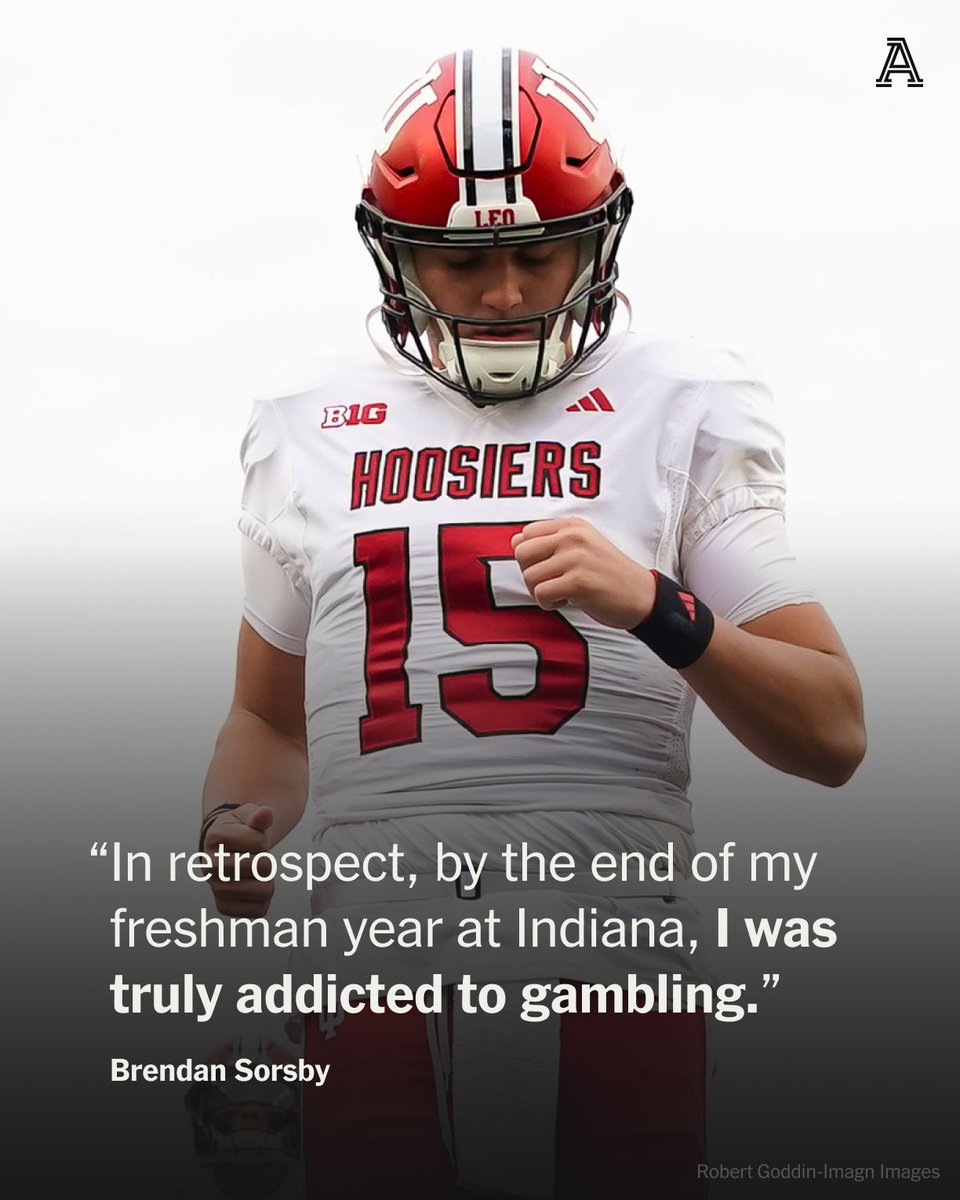
Brandon Sorsby Gambling Lawsuit Puts NCAA Betting Rules Under a Harsh Light
College athletes keep hearing the same message about sports wagering. Do not bet, do not share accounts, and do not get cute with the rules. Yet the Brandon Sorsby gambling lawsuit story shows how fast that message can collide with real legal risk, public scrutiny, and NCAA compliance pressure. The issue matters now because sports betting is everywhere, athletes live on their phones, and one lawsuit can pull private habits into public view overnight. If you follow college sports, this is bigger than one quarterback or one headline. It raises a blunt question. Are schools and the NCAA actually keeping pace with the betting environment they helped create around modern college athletics?
What stands out here
- The Brandon Sorsby gambling lawsuit links personal betting allegations to a wider NCAA compliance debate.
- Any reported wagering activity by a college athlete can trigger school reviews, reputational damage, and eligibility questions.
- The case highlights a weak spot in college sports. Rules are strict, but education and monitoring often look uneven.
- Public lawsuits can expose conduct that compliance departments never caught on their own.
Why the Brandon Sorsby gambling lawsuit matters beyond one player
Look, gambling stories in college sports are no longer rare. What makes this one land harder is the mix of legal filings, named athletes, and NCAA betting restrictions that leave little room for error.
According to the New York Post report, allegations tied to Brandon Sorsby surfaced through a lawsuit involving a Texas Tech quarterback. That alone changes the frame. This is no longer rumor floating around message boards. It is part of a legal record, and that means schools, conference officials, and NCAA compliance staff cannot shrug it off.
Once gambling allegations appear in a lawsuit, the story stops being a sports gossip item and starts becoming a compliance problem.
That shift matters for players across the country. One filing can trigger internal reviews, questions from boosters, and pressure on athletic departments to prove they had controls in place.
NCAA betting rules are simple on paper, messy in real life
The NCAA has long barred athletes, coaches, and staff from betting on sports in ways that can affect integrity. On paper, that sounds clean. In practice, the line can get muddy fast, especially with mobile apps, account sharing, proxy betting allegations, and the flood of gambling ads around sports broadcasts.
Honestly, this is where college sports has a credibility problem. The system expects 18-to-22-year-olds to avoid betting temptations while the broader sports economy keeps cashing checks from sportsbook deals, media partnerships, and gambling-fueled fan engagement. That contradiction is not subtle.
What typically puts athletes at risk
- Betting on sports directly through a legal or offshore sportsbook account
- Using someone else’s account to place wagers
- Sharing inside information, even casually
- Ignoring school compliance training or disclosure rules
- Assuming small bets will not matter
Small bets still count.
And that is the trap. Many athletes do not think like regulators. They think like regular students with a phone, a Venmo balance, and friends who bet every weekend.
What schools should learn from the Brandon Sorsby gambling lawsuit
If the facts reported around the Brandon Sorsby gambling lawsuit hold up, athletic departments should treat this as a stress test. Not for one player, for the entire compliance model.
Too many schools still run gambling education like a box-checking exercise. A preseason slide deck. A short talk. Maybe a signed form. Then everyone moves on. That approach is about as effective as teaching pass protection with one meeting in August. It will not hold once the pressure starts.
Three fixes that need to happen
- More frequent training: Not once a year. Monthly reminders work better, especially during football and basketball seasons.
- Clear examples: Athletes need real scenarios about account sharing, prop bets, and tips to friends.
- Faster reporting channels: Players should have a private way to ask compliance questions before a mistake becomes a headline.
Schools also need to stop pretending this is only an athlete issue. Coaches, staff, managers, and even people close to the program can create risk. Compliance walls are only as solid as the loosest brick.
The legal angle could shape the sports angle
Lawsuits have a way of dragging side issues into full view. A case may start over one dispute, then expose texts, payment trails, betting records, or conduct that creates separate fallout. That appears to be the larger lesson here.
For observers, the immediate question is whether any NCAA or school-level action follows. For lawyers, the question is different. What evidence exists, who knew what, and when did they know it? Those are not the same inquiry, and they can move at different speeds.
But public opinion moves fastest of all. Once a player’s name gets tied to gambling allegations, the stain can stick even before formal findings arrive. That is unfair sometimes, but it is real.
What this means for college football and betting integrity
College football has entered a strange phase. NIL money is flowing, transfer movement is constant, and sports betting is mainstream. Add those pieces together and you get a more volatile environment for integrity issues. Why would anyone think the old compliance playbook is enough?
The Brandon Sorsby gambling lawsuit also reminds us that integrity threats do not always look like point shaving or fixed games. Sometimes the risk is lower-level behavior that still breaks rules and erodes trust. Fans may shrug at that distinction, but regulators will not.
And they should not. Betting markets react to information edges, injury leaks, and access. In college sports, where rosters are younger and support systems vary, that problem can spread faster than many administrators admit.
What athletes should do right now
If you are a college athlete, the safest play is boring. Good. Boring is what works.
- Do not place sports bets of any size
- Do not let friends use your devices or payment accounts for betting
- Do not text injury or lineup details to people who wager
- Ask compliance staff before you assume something is allowed
- Save screenshots and records if you need to prove your side later
That last point matters more than people think. In disputes like this, digital records often tell the story (or wreck it).
Where this heads next
The reported allegations around Brandon Sorsby may lead nowhere formal, or they could widen into a larger review. Either way, the signal is clear. College sports still talks tough on gambling, but enforcement, education, and reality remain out of sync.
My view is simple. The NCAA and schools can keep acting shocked every time a betting story breaks, or they can build rules and training that reflect how athletes actually live now. One path protects headlines. The other protects the games. Which one do you think matters more?