São Paulo Governor Targets Brazil Gambling Crackdown
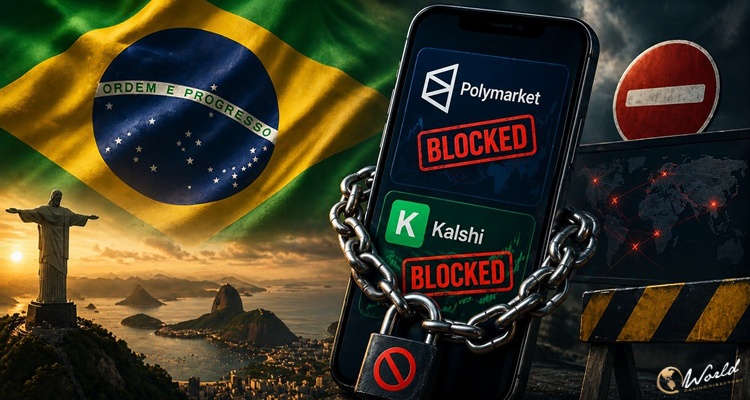
Brazil’s gambling debate is getting louder, and the Brazil gambling crackdown is now moving from talk to political pressure. That matters because São Paulo is not a sideshow. It is the country’s biggest state, home to a massive consumer base and a governor with real influence over how lawmakers and regulators frame the next phase of betting control.
For operators, this is not a distant policy fight. It affects licensing risk, marketing rules, payment flows, and how hard states may push back against online betting growth. And if you work in affiliate marketing, compliance, or payments, you already know how fast a local political shift can ripple through a market. What happens if one of Brazil’s main economic engines starts treating gambling like a public order problem instead of a tax opportunity?
Look, this is not about one speech or one press quote. It is about whether Brazil’s federal framework can hold while state leaders demand a harder line. That tension is where the real story sits.
What the Brazil gambling crackdown means right now
- State pressure is rising. São Paulo can shape national debate, even without controlling federal licensing.
- Operators face more uncertainty. Marketing, responsible gambling checks, and platform approvals could all tighten.
- Payments may get more scrutiny. Banks and PSPs tend to react quickly when political risk climbs.
- Affiliates need cleaner compliance. Thin pages and aggressive claims become easier targets.
Why São Paulo matters so much
São Paulo is Brazil’s economic center, so its governor has a megaphone that smaller states do not. If he pushes a hard line on gambling, other local leaders may copy the message, especially if they want to look tough on consumer harm.
That does not automatically rewrite federal law. But it can change enforcement mood, media coverage, and the pace at which agencies decide to act. Policy in Brazil often works like a stadium crowd. One section starts chanting, and soon the whole place is moving.
Political pressure rarely stays local when the market is national. In Brazil, state-level criticism can feed federal caution fast.
How the Brazil gambling crackdown could hit operators
Operators should watch three pressure points closely: advertising, compliance, and onboarding. Those are usually the first places regulators and politicians look when they want to show action.
1. Advertising rules may tighten first
Paid media is the easiest target. It is visible, it is public, and it is easy to frame as a consumer protection issue. Expect more scrutiny on bonus language, influencer campaigns, and claims about easy wins or fast payouts.
If you are running paid acquisition, clean copy matters. So does proof. Can you show how each ad was approved, who signed off, and what responsible gambling language sat beside it?
2. Compliance teams will need sharper controls
When politics heats up, vague controls stop being enough. Operators may need stronger age checks, clearer source-of-funds rules, and better monitoring of suspicious account behavior. A weak file trail can become a liability overnight.
Here is the thing. Regulators do not need perfect system failures to make a point. They only need a few obvious gaps.
3. Payments partners may grow cautious
Banks, PSPs, and wallets hate uncertainty. If a market starts looking politically exposed, some partners will slow onboarding or add extra review layers. That can affect deposits, withdrawals, and player trust faster than any policy memo.
Think of it like a kitchen during a health inspection. The chef may be fine, but if the prep station looks messy, the inspector does not care about your branding.
Brazil gambling crackdown: what affiliates and suppliers should change
- Audit every traffic source. Check whether your inventory includes risky placements, misleading creatives, or weak geo controls.
- Review claim language. Avoid promises that sound like income guarantees or easy money.
- Tighten age-gating. If your funnel is sloppy, fix it before someone else forces the issue.
- Document approval chains. Keep a record of who approved what and when.
- Watch local politics, not just federal law. State rhetoric can be an early warning signal.
Is this a full reversal for Brazil?
Not necessarily. Brazil still has strong commercial incentives around legalized betting, and the federal government has reasons to prefer controlled taxation over prohibition. But a louder crackdown narrative changes the tone. It can slow the market, raise costs, and give cautious voices more room to shape the rules.
That is why smart operators should stop treating Brazil as a single-track growth market. It is fragmented, political, and sensitive to public pressure. If São Paulo keeps pushing, who gets to define the next version of Brazil’s betting market, the operators or the politicians?
What to watch next
Track three things over the next few months. First, whether São Paulo introduces formal proposals or just keeps using public pressure. Second, whether federal officials answer with reassurance or tougher language. Third, whether banks and ad platforms start changing their risk posture before any law changes at all.
The next move will not come from hype. It will come from paperwork, enforcement signals, and who blinks first.