Rank Group UK Fine Exposes Safer Gambling Failures
If you follow the UK gambling market, the latest Rank Group UK fine matters because it shows how little room operators now have for weak checks, slow interventions, and messy customer risk controls. The UK Gambling Commission has ordered Rank Group to pay £6.6 million after identifying failures across its land-based and online businesses, according to a report by GamblingNews. For customers, this is about safer gambling. For operators, it is about whether compliance systems can spot harm before losses spiral. And for investors, it is another reminder that regulatory risk is now baked into the cost of doing business in British betting and gaming.
What Stands Out
- Rank Group will pay £6.6 million linked to regulatory failures in the UK.
- The case involved social responsibility and anti-money laundering shortcomings.
- The UK Gambling Commission continues to push operators on customer risk monitoring.
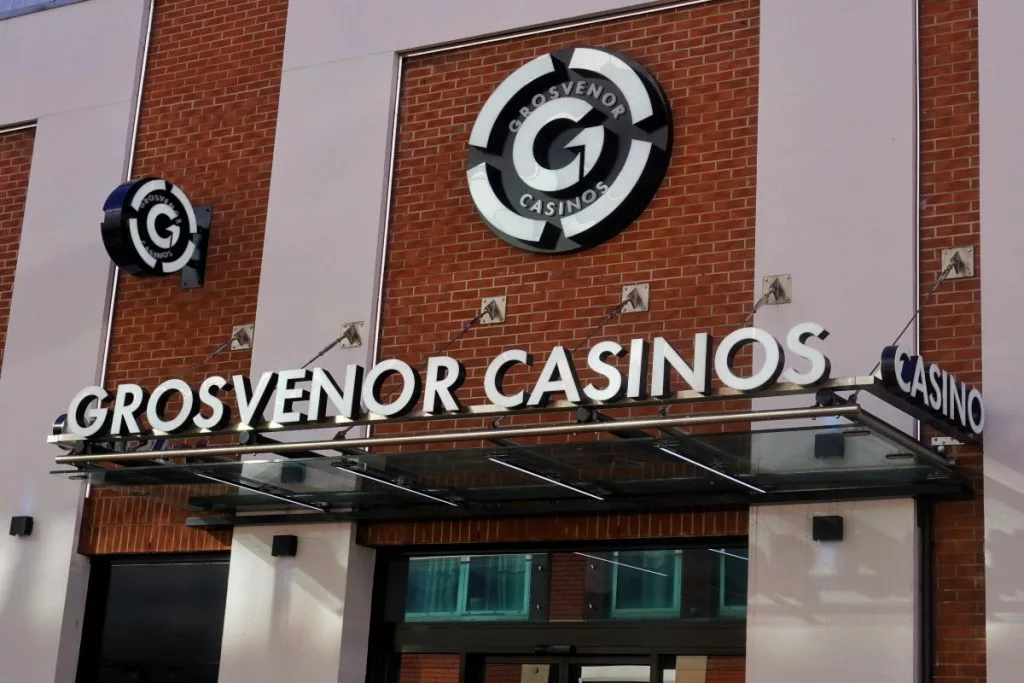
- The fine affects a major name behind brands such as Grosvenor Casinos and Mecca Bingo.
- The message to the sector is blunt. Reactive compliance is no longer enough.
Why the Rank Group UK Fine Matters
The Rank Group UK fine is not just another penalty notice in a crowded enforcement file. Rank is a familiar operator with a long history in British gambling, and that makes the case more visible than a smaller licensee slipping up behind the scenes.
The UK Gambling Commission has spent years telling operators to act earlier when customers show signs of financial risk or gambling harm. Yet enforcement actions keep pointing to the same pattern: weak triggers, poor follow-up, and customers allowed to continue gambling while red flags sit in the system.
Regulators are no longer asking whether an operator has policies on paper. They are asking whether those policies stop real harm in real time.
That distinction is seismic. A compliance manual does not protect a vulnerable customer if nobody acts on the data.
What the UK Gambling Commission Found in the Rank Group UK Fine
According to the GamblingNews report, the penalty relates to regulatory failures identified by the UK Gambling Commission. These failures covered areas that have become non-negotiable in the UK market: safer gambling controls and anti-money laundering safeguards.
Those two areas often overlap. A customer who suddenly spends at a level that does not fit their known profile may raise both affordability and source-of-funds concerns. If the operator misses that signal, the problem compounds.
Social responsibility failures
Social responsibility rules require operators to identify customers who may be at risk and take effective action. That can mean account reviews, affordability checks, safer gambling messaging, deposit limits, time-outs, or account closure.
Here is the thing: sending a generic email after heavy losses is not enough. The Commission expects operators to look at behavior, speed, spend, frequency, and signs of distress. Does the player chase losses? Do deposits jump overnight? Has gambling become intense after a period of low activity?
Those are not obscure data points. Operators already collect them.
Anti-money laundering weaknesses
Anti-money laundering controls are meant to stop gambling platforms and venues from being used to process criminal funds. That means operators need to know who their customers are, understand where money may be coming from, and escalate risk when activity looks unusual.
In practice, the hard part is timing. If checks happen only after a customer has spent large sums, the system is already late. It is like checking the oven after the cake has burned. You may learn what went wrong, but dinner is still ruined.
What Operators Should Learn From the Rank Group UK Fine
Operators should treat this case as a systems test, not a public relations problem. A fine can be paid. A broken risk model keeps creating exposure.
From years covering this beat, I have seen one recurring mistake: companies confuse having tools with having control. Dashboards, alerts, and customer profiles only matter if trained staff use them quickly and consistently.
- Set sharper risk triggers. Thresholds should reflect customer behavior, not just broad spending bands.
- Act before losses become extreme. Early checks are less intrusive than emergency interventions after damage is done.
- Link safer gambling and AML teams. These teams often look at the same customer from different angles.
- Document decisions clearly. If a case file cannot explain why play continued, it will not age well under regulatory review.
- Test the system with real scenarios. Compliance needs drills, like a football team practicing set pieces before match day.
Honestly, the UK market has moved past box-ticking.
Why This Is Bigger Than One Operator
The Rank Group UK fine lands in a market already under pressure from tighter rules, affordability debates, and the long tail of gambling reform. The Commission has made clear through repeated enforcement cases that operators must intervene faster and prove that interventions work.
That creates a practical challenge. Operators need to protect customers without turning every account review into a hostile interrogation. The answer is better segmentation, clearer communication, and risk checks that match the customer’s actual behavior.
For example, a casual bingo customer with stable low-level spend should not face the same process as a high-velocity casino customer depositing large amounts at odd hours. Good compliance can tell the difference. Lazy compliance cannot.
What This Means for Customers
Customers may notice more checks, more account questions, and more interruptions during play. Some will find that annoying. But the direction of travel is clear, and operators that fail to ask questions may face bigger penalties.
If you gamble in the UK, you should expect operators to monitor signs such as:
- Rapid increases in deposits or stakes
- Repeated failed deposits
- Long playing sessions
- Chasing losses after heavy spend
- Refusing or avoiding source-of-funds requests
Does that make gambling less frictionless? Yes. But friction is sometimes the point. A market with no brakes tends to end up in front of the regulator.
The Next Test for UK Gambling Compliance
The Rank case should push boards to ask a harder question: can their compliance teams stop risky activity before the regulator finds it later? That is the bar now.
Operators that invest in cleaner data, better staff training, and faster escalation will be in a stronger position. Those that rely on old thresholds and slow manual reviews are inviting trouble. The next enforcement action will not surprise anyone who is paying attention.