Rivers Casino Philadelphia Launches Paid Table Dealer Training
If you are trying to break into casino work, the biggest hurdle is often the first one. Training can be unpaid, inconsistent, or hard to access, and that slows down hiring in a job market that still needs steady frontline staff. The new paid table dealer training program at Rivers Casino Philadelphia matters because it changes that first step. You can learn the game, build basic dealing skills, and earn money while you do it. That is a practical fix, not a branding exercise.
Look, casinos do not hire table dealers on hope. They need people who can handle pace, math, customer service, and house procedures without freezing under pressure. A paid program gives both sides a cleaner deal. The casino gets a more prepared pipeline, and you get a shot at a job that can lead to steady income and future shifts into other live gaming roles. Who would not want that kind of entry point?
Why the paid table dealer training matters
- It lowers the barrier to entry for people who cannot afford unpaid training.
- It improves hiring quality because candidates are tested before they hit the floor.
- It supports retention by showing workers a clear path from training to employment.
- It fits a real labor need in live casino operations, where turnover can be costly.
Paid training is not a small perk. It is a signal that the casino sees training as work, not as a free audition. That matters in hospitality and gaming, where entry-level roles often ask for a lot of skill before the paycheck starts.
What Rivers Casino Philadelphia is doing differently
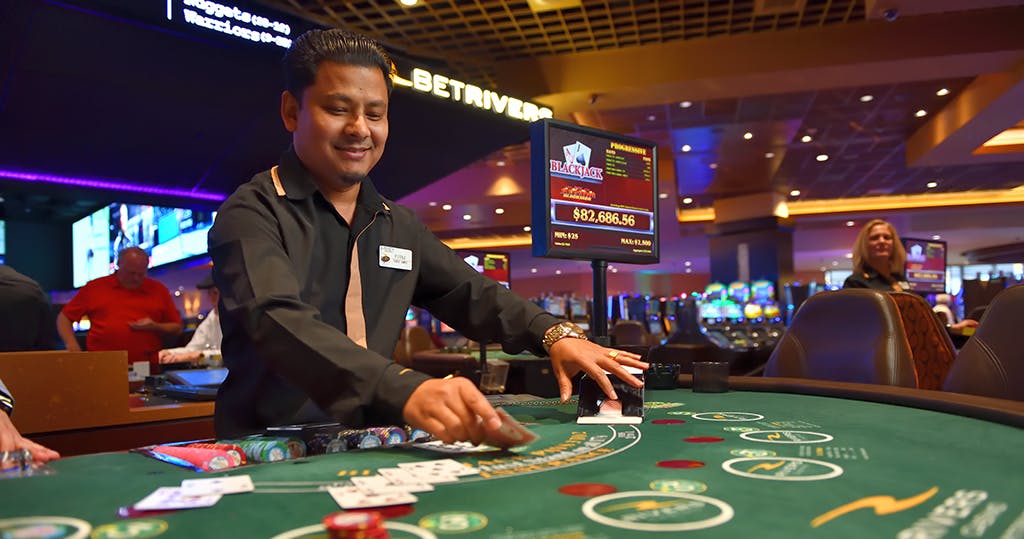
The program is built around table game dealer training, which usually covers game rules, chip handling, dealing mechanics, accuracy, and guest interaction. That mix sounds basic until you watch a dealer keep a busy table moving without mistakes. It is a bit like learning to referee a fast basketball game while also keeping score. You need speed, control, and a calm face.
Paid training works best when it treats the role like real work from day one. That is the part casinos often get wrong.
For Rivers, the move also helps with recruitment. A paid program can attract career changers, students, and local job seekers who want structured work but cannot spend weeks training for free. In a labor market where good applicants compare offers quickly, that can be the difference between a full bench and a staffing gap.
Who is likely to benefit from this program?
The obvious group is new entrants to casino jobs. But the ripple effect is wider than that.
- People changing careers can try table games without giving up income during training.
- Local residents gain access to a hospitality job with a more defined starting point.
- Seasonal or part-time workers can move into a role that may offer better stability.
- The casino gets a workforce trained to its own floor standards.
And there is another angle. Paid dealer training can widen the candidate pool in a field that has traditionally relied on narrow pipelines. That is not a slogan. It is basic hiring math.
Why this matters for live casino hiring
Table games are a people business. Slot floors can run with less face-to-face interaction, but table games depend on dealer presence, pace, and guest trust. If a dealer is weak on procedure, the whole table feels it. If a dealer is sharp, the game flows better and the guest experience improves.
That is why training policy is a business decision, not just an HR line item. A paid program can cut drop-off during training, which is a common problem in hourly work. It can also help casinos spot who can handle pressure before those workers are placed in front of customers and surveillance cameras.
The smartest casinos already know this. Training is not a bonus feature. It is the engine room.
What job seekers should look for in dealer programs
If you are thinking about applying for a table dealer role, do not just ask whether training is paid. Ask what the training includes and how the casino measures readiness.
- Which games are covered, such as blackjack, roulette, or craps?
- How long does training last?
- Is there a clear path from training to a floor assignment?
- What performance standards do trainees need to meet?
- Does the program lead to full-time, part-time, or on-call work?
Those questions tell you whether the program is real or just a hiring funnel with a nicer label. A strong dealer course should teach more than how to move cards. It should prepare you for speed, accuracy, guest pressure, and the casino’s own rules.
What to watch next
If Rivers Casino Philadelphia gets this right, other properties will pay attention. Casinos watch each other closely on staffing. When one operator finds a cleaner way to train and keep dealers, the rest usually follow.
That is the real story here. Not hype. Not a flashy announcement. Just a simple shift that could make live gaming hiring more practical for workers and more predictable for operators. The next question is whether other casinos will finally treat paid training as standard, or keep pretending talent should arrive fully formed.