Prediction Markets and Sports Betting Mental Health Risks
The line between financial trading and gambling is getting harder to spot. If you follow sports, use betting apps, or watch the rise of event contracts, you have probably seen the shift already. Prediction markets and sports betting mental health concerns matter now because the products are starting to look, feel, and behave like the same thing. That creates a bigger pool of users, more frequent prompts to act, and more room for harmful habits to hide behind the language of investing. Regulators are still sorting out where these products fit. Meanwhile, people are making repeated, high-emotion decisions with real money attached. That is a rough mix. The question is not whether these platforms create pressure. It is how much pressure, for whom, and what the industry plans to do about it.
What stands out
- Prediction markets and sports betting mental health risks rise when products copy each other’s speed, design, and emotional pull.
- Research on gambling harm already points to anxiety, compulsive behavior, debt stress, and relationship damage.
- Calling a product a market does not erase the psychology of repeated wagering.
- Operators and regulators need clearer guardrails before the overlap grows wider.
Why prediction markets and sports betting mental health concerns are growing
Sports betting has become normal in much of the US. Prediction markets have moved closer to mainstream attention at the same time, especially on politics, economics, and event-based outcomes. That overlap is where things get messy.
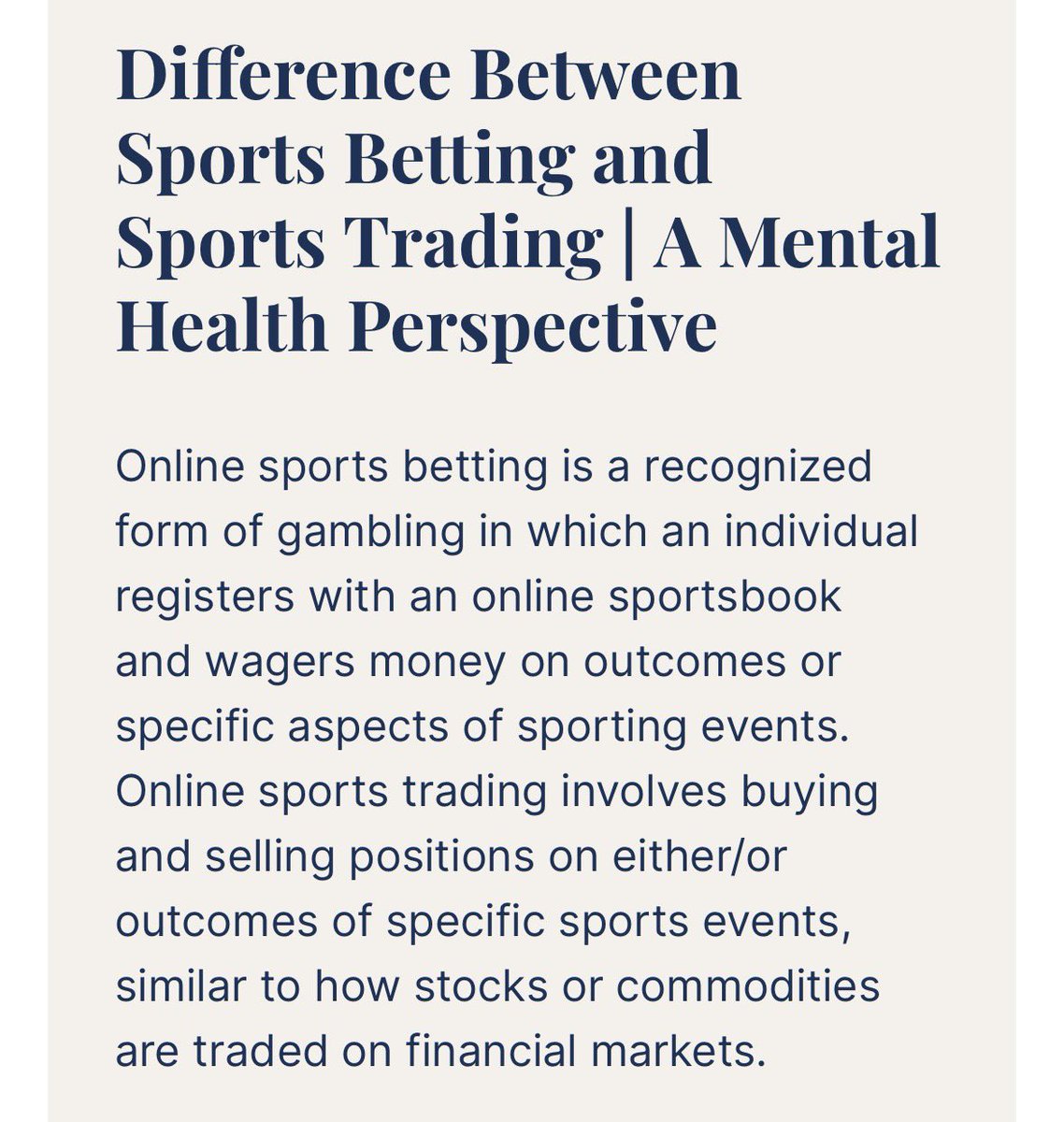
A sports bet and an event contract may sit under different legal frames, but users often experience them in similar ways. You pick an outcome. You risk money. You watch price swings or odds moves. And you feel the same rush when the market moves your way.
Here is the problem.
That emotional cycle can be intense even for disciplined users. For people with a history of compulsive gambling, anxiety, or impulse control issues, it can be far worse. A market interface with charts and pricing can make the activity look more rational than it really is (and that is part of the risk).
Prediction products may wear the clothes of finance, but for many users the behavior pattern looks a lot like gambling.
The article from GamblingNews points to a rising concern among experts that these products can take a toll on mental health. That concern is not fringe. Public health researchers and responsible gambling specialists have made similar arguments for years about high-frequency betting products.
What mental health risks show up most often?
Stress and anxiety
Frequent wagering creates a loop of anticipation, uncertainty, and reaction. That can drive stress on its own. Add money pressure, and a bad weekend can bleed into work, sleep, and family life fast.
Compulsive behavior
Some users chase losses. Others chase action. The trigger does not always look dramatic at first. It can start with constant checking, repeated small bets, or a belief that one more position will fix the last mistake. Like over-salting a dish, the problem builds one shake at a time.
Financial strain
Debt and hidden spending are common markers of gambling harm. The National Council on Problem Gambling has long warned that financial fallout often arrives alongside emotional strain, not after it. That distinction matters because users may seek help only once the money damage is obvious.
Isolation and shame
People who feel they are losing control often pull back from friends and family. They hide accounts. They downplay losses. And because prediction markets can sound more respectable than betting, some users may justify risky behavior longer than they should.
Why the design matters more than the label
Look, product design shapes behavior. Fast deposits, live updates, constant notifications, and frictionless repeat action are not neutral features. They push engagement.
That is true in sportsbooks. It can also be true in prediction markets. If a platform offers real-time price movement, social chatter, and easy entry on emotionally loaded topics, the experience can resemble day trading crossed with live betting. What could go wrong?
Quite a bit, actually.
The strongest risk factors often include:
- High event frequency
- Instant or near-instant feedback
- Mobile-first access at all hours
- Language that encourages confidence or control
- Weak spending or time limits
This is where industry hype tends to outrun common sense. Some advocates frame prediction markets as smarter than betting because they produce information or improve price discovery. Fine. But the user experience still matters. A polished dashboard does not cancel out the psychological hooks.
What the evidence from gambling research tells us
No, prediction markets are not identical to casino play or sports wagering. But there is enough overlap in behavior to justify caution. Research reviewed by public health bodies, including work cited by organizations such as the National Council on Problem Gambling and the American Psychiatric Association, links problematic gambling with higher rates of depression, anxiety, substance misuse, and suicidal ideation.
That does not mean every bettor or trader faces severe harm. Most will not. But population-level risk still matters, especially as products scale and marketing widens. The tech world loves to say users should be responsible. Honestly, that is only half the story. Systems shape outcomes.
What operators and regulators should do next
If the industry wants credibility, it needs guardrails that match the risk. Not later. Now.
For operators
- Set clear deposit, loss, and time limits that users can activate easily.
- Use plain-language risk disclosures instead of legal fog.
- Flag unusual behavior patterns, such as rapid repeated trades or overnight spikes in activity.
- Offer cooling-off tools and self-exclusion that work across linked products.
- Train support teams to spot distress signals and direct users to help resources.
For regulators
- Stop pretending labels solve the problem.
- Review whether event contracts tied to sports create gambling-like harms in practice.
- Require transparent data sharing on user behavior, intervention rates, and harm indicators.
- Apply advertising standards that limit misleading claims about skill or control.
The smart approach is functional, not cosmetic. If a product behaves like gambling for a meaningful slice of users, oversight should reflect that reality.
What you should watch if you use these platforms
If you bet on sports or trade event outcomes, pay attention to your own patterns. Not your intentions. Your patterns.
- Are you checking prices or odds constantly?
- Are you increasing stakes after losses?
- Are you hiding activity from people close to you?
- Are you treating stress as a reason to place another bet or trade?
- Are you borrowing money or shifting bill payments to stay active?
Those are not small warning signs. They usually mean the habit is drifting from entertainment or speculation into harm.
Where this fight is heading
The next few years will test whether policymakers can keep up with hybrid wagering products. Sports betting already pushed the culture toward constant action. Prediction markets may widen that door by giving the same behavior a different wrapper.
My view is simple. The industry should stop arguing about what to call these products and start dealing with how people actually use them. If prediction markets and sports betting mental health risks keep rising, the backlash will not come from nowhere. It will come from years of obvious signals that too many people chose to wave off.