Prediction Markets Skip Kentucky Derby Over Legal Risk
If you follow prediction markets, you may have expected to see Kentucky Derby contracts this spring. They never showed up. That absence matters because the Derby is one of the biggest betting events in the US, and it offered a clean test of how far prediction markets were willing to push into sports-style territory. Prediction markets Kentucky Derby legal risk became the real story instead. Faced with rising scrutiny from federal regulators and state gaming agencies, major operators appear to have decided the event was not worth the fight. That choice says a lot about where this market stands right now. It is growing fast, but the legal line is still blurry, and companies know a high-profile event can turn into a courtroom problem in a hurry.
What stands out here
- Major prediction market platforms did not offer Kentucky Derby contracts.
- The likely reason was legal exposure tied to sports event-style markets.
- Regulators, including the CFTC and state gaming bodies, are watching closely.
- The Derby became a signal that caution is beating expansion, for now.
Why prediction markets skipped the Kentucky Derby
The simple answer is risk. A Kentucky Derby market would have looked a lot like sports betting, even if it was packaged as an event contract. That is exactly the kind of setup that can draw attention from state regulators who control licensed wagering in their jurisdictions.
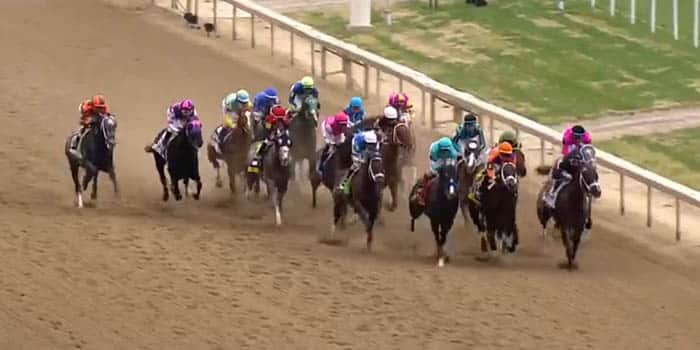
Look, this was not some obscure event tucked away on a niche calendar. The Derby is a national spectacle with heavy wagering volume, deep brand recognition, and a regulated horse racing framework already in place. If a prediction market wanted to test boundaries, this would have been the loudest possible way to do it.
And loud is rarely smart when regulators are already circling.
Prediction markets Kentucky Derby legal risk and the regulator problem
The legal issue is not hard to sketch out, even if the final answer is still unsettled. Prediction markets in the US often operate under federal oversight tied to derivatives and event contracts, with the Commodity Futures Trading Commission playing a central role. Sports betting, horse race wagering, and gaming, however, are also governed through state-by-state licensing systems and other federal rules.
That overlap creates friction. If a contract asks who will win the Kentucky Derby, regulators can reasonably ask a blunt question. Is this a financial event contract, or is it unlicensed sports betting by another name?
The Kentucky Derby was not just another potential listing. It was a stress test for the legal theory behind sports-adjacent prediction markets.
State gaming agencies have little incentive to wave this through. Licensed sportsbooks and racing operators pay steep fees, meet compliance demands, and follow strict controls. A prediction market offering a similar product from another lane of regulation would trigger instant pushback.
Why the Kentucky Derby was different from other event contracts
Some political and economic contracts have more room to argue they belong in a prediction market framework. Sports and racing are tougher. They sit in a mature gambling ecosystem with established operators, tax structures, consumer safeguards, and vocal regulators.
That makes the Derby a bad place for experimentation. Think of it like trying a new building design on a fault line instead of a quiet suburb. If anything cracks, everyone sees it.
Horse racing also has its own compliance culture, including state commissions, tote systems, and long-standing betting rules. Adding a parallel product through a prediction market could have looked less like innovation and more like a regulatory end run.
What this says about the current prediction market playbook
The decision to stay out suggests these platforms are acting more cautiously than their critics assume. For all the noise around expansion, operators appear to know there is a point where ambition becomes evidence.
Honestly, that restraint is telling.
It suggests a few things at once:
- Platforms know headline events attract legal scrutiny faster than niche contracts do.
- They understand state regulators are increasingly alert to sports-linked offerings.
- They may be waiting for clearer federal guidance before testing more event-based markets.
- They do not want a marquee case that could narrow future options.
This is the sort of tactical retreat companies make when the larger war matters more than one weekend of trading volume.
Who has the stronger argument?
Prediction market backers often say these products serve information discovery and price formation. Critics answer that, in practice, many contracts look and feel like gambling. Both sides have a point. But regulators tend to focus less on elegant theory and more on consumer reality.
If users are effectively betting on a race result, and the event sits inside a heavily regulated wagering market, agencies will ask why the same rules should not apply. That is not anti-innovation. It is a basic consistency argument.
But there is another layer here (and it matters). If one set of firms must obtain licenses, pay taxes, verify customers, and answer to state enforcement, while another can offer similar exposure through a different legal label, the market becomes uneven fast.
What readers should watch next on prediction markets Kentucky Derby legal risk
The next signal will not necessarily come from horse racing. It may show up in other sports-related contracts, enforcement actions, CFTC commentary, or public fights between state regulators and event market operators. Watch where companies test the edges. Just as important, watch where they stay silent.
Here are the pressure points that matter most:
- CFTC decisions or statements on sports-style event contracts
- State cease-and-desist actions against unlicensed offerings
- Lobbying by sportsbook, tribal, or racing interests
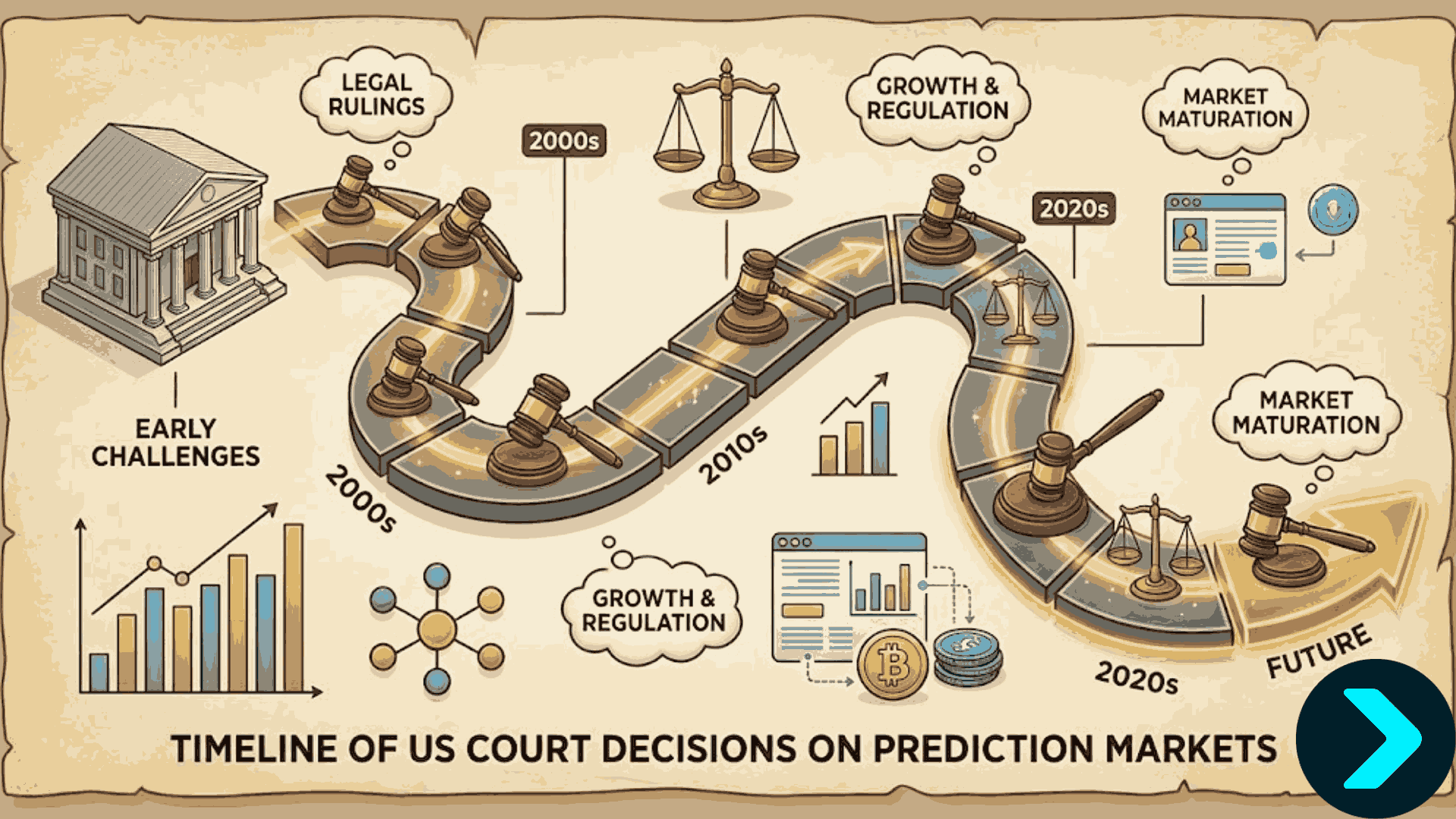
- Court cases that define whether these contracts are derivatives or gambling products
- Platform listing behavior around major events like the Super Bowl, March Madness, or the Triple Crown
What the industry should learn from this
The skipped Derby is a reminder that scale does not erase legal exposure. In fact, it amplifies it. A smaller event might have slipped by with little attention, but the Kentucky Derby would have put the issue under a bright lamp.
For operators, the lesson is plain. If you want to build long-term credibility, pick battles that sharpen your legal footing instead of weakening it. For regulators, the lesson is just as plain. If the current rules are too fuzzy to handle these products cleanly, that ambiguity will keep producing conflict.
The next test will be louder
Prediction markets did not skip the Kentucky Derby because the opportunity lacked value. They skipped it because the legal downside may have outweighed the upside, and that is a much bigger signal than one missing contract listing. The real question now is whether platforms keep playing defense, or decide to force a showdown on an even bigger stage. Either way, the next major event will tell us a lot.