Prediction Markets Pressure Esports and Virtuals
Prediction markets are moving faster than many operators expected, and that matters if you work in esports and virtuals. The sector already lives on tight margins, fast match cycles, and audience trust. Add a market that lets users trade on outcomes, prices, and probabilities, and the rules of engagement change. The question is no longer whether prediction markets will sit near this space. It is how much pressure they will put on your product, your risk controls, and your revenue mix. Look, the appeal is obvious. People like instant feedback and a reason to keep watching. But the operational side is less tidy. Compliance teams need cleaner guardrails, content teams need sharper context, and product teams need to decide what kind of betting experience they want to build. That choice is now non-negotiable.
What prediction markets change for esports and virtuals
- More trading-style behavior means users may expect faster price movement and more frequent updates.
- Higher compliance scrutiny follows once products start resembling financial speculation or event wagering.
- Content quality matters more because weak data creates poor pricing and fast user churn.
- Retention can improve if you give users a reason to follow every map, round, or simulated race.
For esports, the overlap is easy to see. Fans already track odds, live stats, and roster changes in real time. Prediction markets simply compress that behavior into a tighter, more reactive format. For virtuals, the fit is different but still real. These products run on scheduled cycles and repeatable outcomes, which can make them useful for fast-moving engagement loops.
Why prediction markets feel different from standard betting
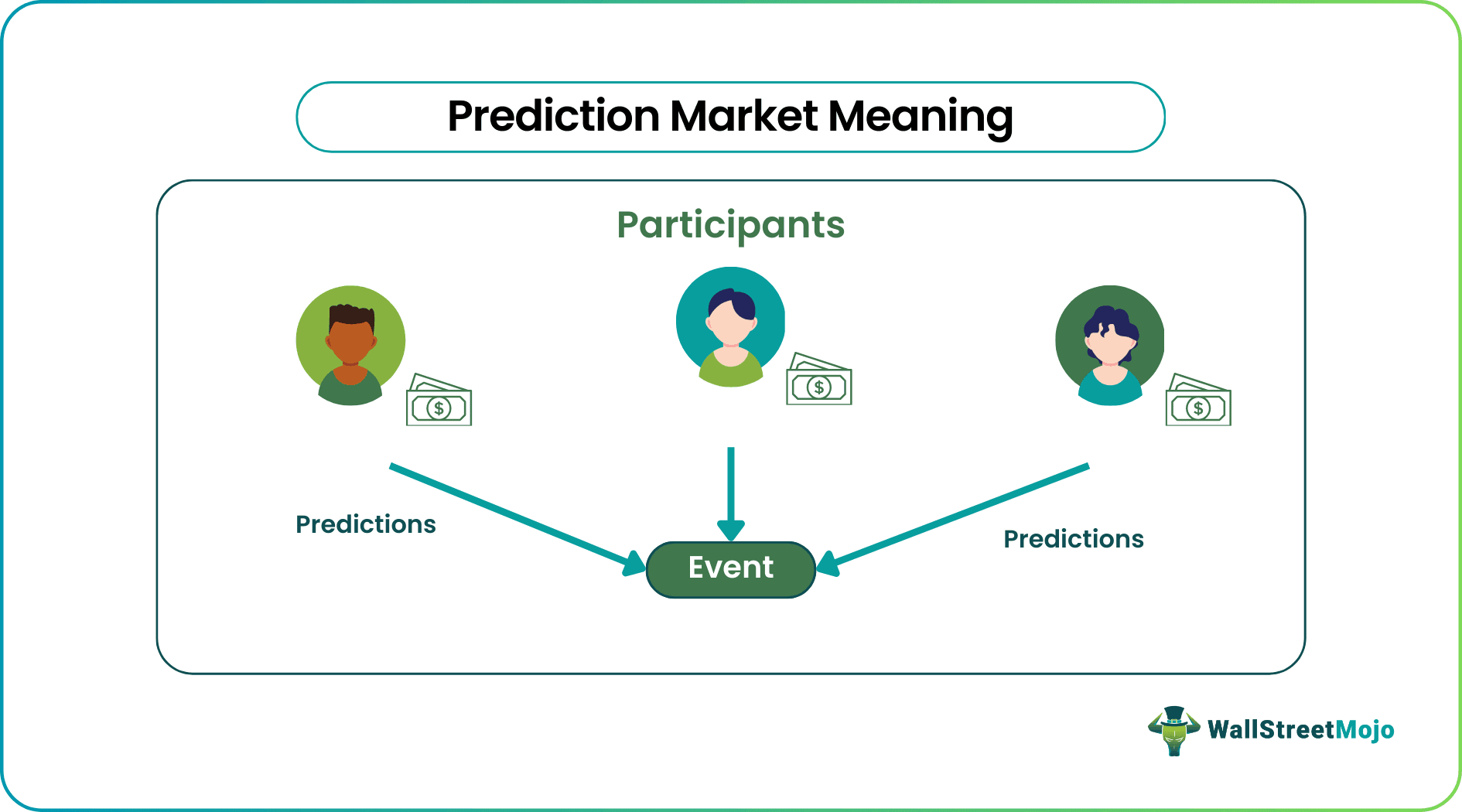
The core difference is simple. A sportsbook prices a bet. A prediction market asks people to trade on what they think will happen. That sounds close on paper, but the user psychology can be very different.
With prediction markets, the price itself becomes part of the story. Users watch the market move like they would watch a scoreline. That creates a stronger feedback loop, but it also raises the bar for integrity and disclosure. If your audience cannot tell where the price comes from, why should they trust it?
“The product may look like entertainment, but the backend still needs disciplined risk controls, clean data, and a clear rulebook.”
Think of it like cooking a sauce. If the base is weak, every extra ingredient makes the problem louder. Same here. Better UX will not save bad market data.
What operators should change now
- Audit event sources. Make sure your data feed, settlement rules, and latency controls are documented.
- Separate entertainment from speculation. Users need to know whether they are betting, trading, or playing a forecast product.
- Tighten market design. Limit messy edge cases, low-liquidity offerings, and vague settlement language.
- Build clearer disclosures. Put payout rules, void conditions, and timing windows in plain language.
- Test responsible play triggers. Fast markets can create rapid loss patterns, so your interventions need to fire sooner.
And do not ignore the front end. A slick interface can mask bad decisions for a while, but only a while. Once users hit a dispute, they will remember every awkward detail.
Prediction markets and esports content strategy
For esports teams, publishers, and media partners, prediction markets can be useful if you treat them as a content layer, not a gimmick. They work best when tied to real storylines, like roster changes, tournament seeding, or map-level momentum. That gives users a reason to keep checking in between matches.
But there is a trap here. If you turn every tiny event into a market, you dilute the product. Nobody wants noise. They want signal. Which markets are worth opening, and which ones will just burn trust?
Virtual sports can benefit from the same discipline. Their repeatable structure makes them easier to package, but also easier to cheapen. A disciplined launch calendar, clean timing, and transparent settlement rules will do more for performance than a flashy promo ever will.
What the next phase could look like
The next phase will likely be less about novelty and more about control. Expect sharper scrutiny around licensing, KYC, market integrity, and whether a product behaves more like betting or more like a tradable financial instrument. That line matters.
For teams in esports and virtuals, the smart move is to prepare before the category hardens around someone else’s rules. Clean data. Clear rules. Faster review cycles. Those are the basics that will separate serious operators from the rest. The winners will not be the loudest ones. They will be the ones that can explain every price move without blinking.
Now is the time to ask a hard question: if prediction markets keep spreading into your category, are you building for the next quarter, or for the next standard?