Prediction Markets in iGaming: New Rules, New Risk
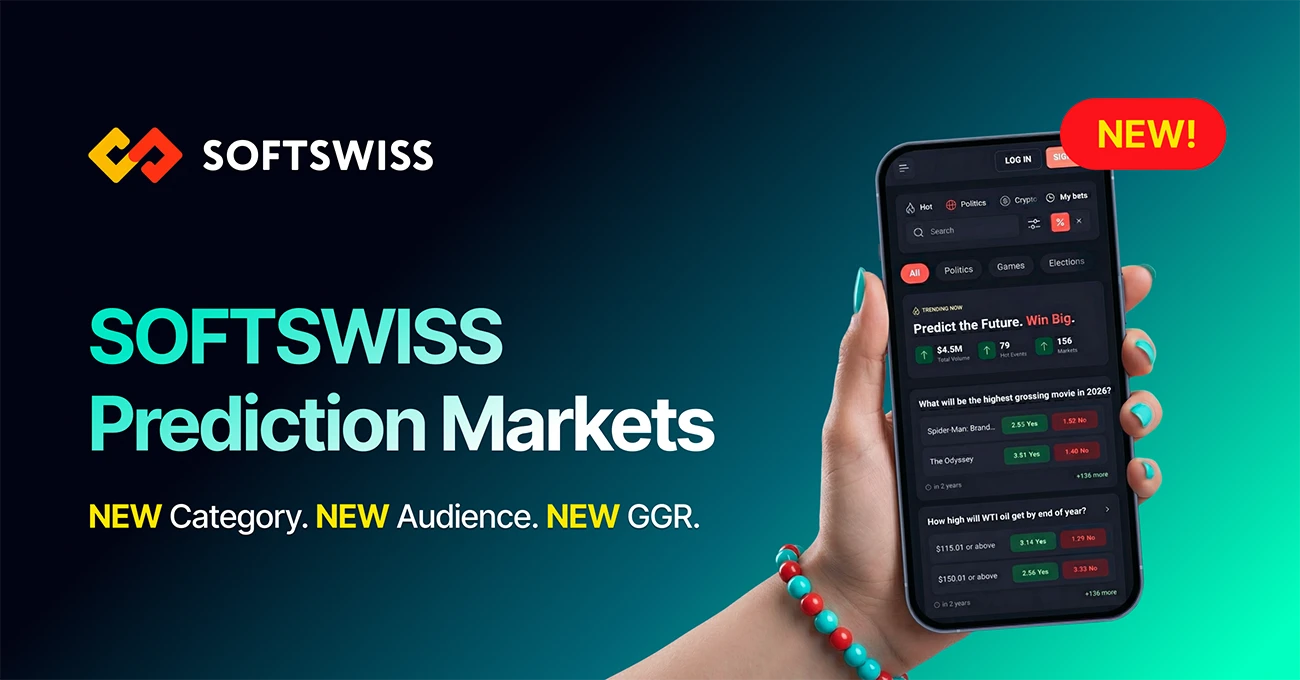
Operators keep looking for the next format that can hold attention without burning out the user. That is why prediction markets in iGaming are drawing so much interest right now. They blend betting logic, trading-style pricing, and live event engagement in a way that feels familiar, but also strangely new.
That mix creates opportunity. It also creates friction. Regulators do not treat these products like standard sportsbook bets, payment teams have to think harder about settlement and fraud, and product teams need to decide how much complexity players will tolerate. Get it wrong and the model becomes a headache. Get it right and you have a format that can sit between entertainment, speculation, and data-driven engagement. Why is that such a big deal now? Because the line between gambling, fintech, and social wagering is getting thinner, and prediction markets sit right on that edge.
What stands out in prediction markets in iGaming
- They reward speed. Users react to live news, odds shifts, and event momentum in real time.
- They change the product loop. Players are not only betting on outcomes. They are watching prices move.
- They raise compliance pressure. Classification matters. A lot.
- They demand cleaner operations. Settlement, payments, and KYC all need tighter controls.
Why prediction markets in iGaming are getting attention
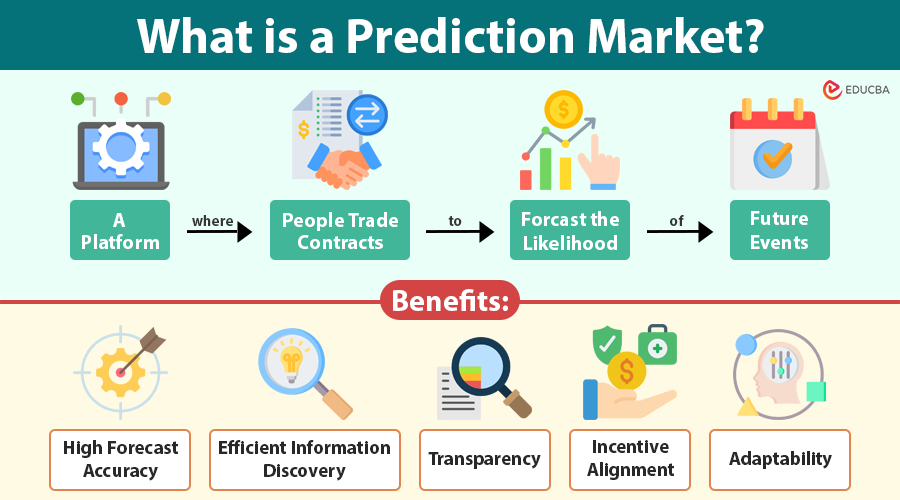
Prediction markets have always had a simple hook. You put a price on a future outcome, and the market tells you how people think that outcome will resolve. In iGaming, that structure pulls in users who like sports betting, fantasy contests, or event trading, but it also attracts people who want a more dynamic interface than a flat wager.
Look, a sportsbook can feel like a fixed menu. A prediction market feels more like a live kitchen. Prices move, sentiment shifts, and the user sees the crowd change its mind in front of them. That is the appeal.
The real selling point is not novelty. It is participation. Users feel closer to the event because they can watch opinion turn into price.
That emotional pull matters for retention. But it only works if the product is easy to understand. If the interface reads like a derivatives terminal, most recreational users will walk away. And they should.
Where the compliance pressure lands
Prediction markets in iGaming can trigger different legal and regulatory treatment depending on jurisdiction, contract design, and settlement method. That means product teams cannot copy a model from one market and assume it will work in another. They need local counsel, clear policy review, and a tight read on whether the product is viewed as gaming, wagering, or something closer to a financial instrument.
This is not a branding problem. It is a classification problem.
Payment providers care about that distinction too. Card networks, banks, and processors may treat the same flow differently based on how the product is described, how funds move, and whether users can buy and sell positions before settlement. Add chargeback exposure and AML checks, and the operational bar rises fast.
One practical test helps here. Ask whether your product can explain itself in one sentence to a regulator, a processor, and a first-time user without changing the meaning. If the answer is no, the model is still too muddy.
How product teams should think about design
Good prediction markets do not need clever jargon. They need clean mechanics. Users should know what they are buying, what determines settlement, when they can exit, and what happens if the market gets canceled or disputed.
- Keep the event set narrow. Start with outcomes that are easy to verify.
- Make pricing visible. Show movement clearly, without clutter.
- Explain settlement in plain language. No legal fog. No internal shorthand.
- Limit edge cases early. Rare events create support load and dispute risk.
- Build guardrails into KYC and geofencing. Compliance has to live inside the flow, not beside it.
Think of it like building a stadium entrance. The traffic pattern has to work before the game starts, or the crowd backs up at the gate. Prediction markets are the same. The mechanics have to be obvious before the money moves.
What affiliates and publishers should watch
Affiliates love new formats, but this one needs care. The funnel may convert well because the concept feels fresh, yet the conversion can turn fragile if the brand cannot explain the product without hype. Traffic quality matters more here than with a basic sportsbook offer.
Partners should check three things before they push a campaign:
- Whether the operator has clear licensing coverage in the target market.
- Whether landing pages explain the product without misleading claims.
- Whether payments, withdrawals, and market rules are easy to find.
And do not ignore support content. If your inbox fills up with the same three questions, the offer is not ready for scale.
Where the model can break
Prediction markets fail when they try to be too clever. If the asset list is too broad, users get confused. If the interface is too dense, casual players leave. If the settlement rules are vague, trust evaporates. That is the triangle nobody wants to draw, but it is there.
There is also a reputational risk. Some audiences will read these products as speculation dressed up as entertainment. Others will see them as a cleaner way to express opinion on live events. Both reactions can be true. The operator’s job is to choose the lane and stay in it.
Can a product thrive if users cannot tell whether they are predicting, betting, or trading? Not for long.
What happens next for prediction markets in iGaming
The near-term winners will not be the loudest brands. They will be the ones that make the model easy to explain, safe to process, and simple to settle. That is not flashy work, but it is the work that lasts.
My read is simple. Prediction markets in iGaming will keep growing where operators treat them as a distinct product class, not a cosmetic update to existing bets. The teams that respect regulation, simplify the user path, and keep the market logic transparent will have room to build. Everyone else will spend time answering awkward questions they should have resolved before launch.
The next test is not whether the format gets attention. It is whether the industry can handle it without blurring every line that still matters.