Prediction Markets Face a Fresh Regulatory Test
Prediction markets are no longer a niche corner of fintech. They are moving into the same conversations that shape sportsbooks, exchanges, and compliance desks, and that matters because the rules are still unsettled. The mainKeyword here is prediction markets, and the pressure around them is rising fast. If you work in betting, trading, or regulation, you cannot treat this as background noise.
Here’s the problem. These products sit on the border between financial instruments and wagers, and that border keeps shifting. One regulator may see event contracts, another may see gambling, and a third may care mostly about consumer protection. Which lane applies can change the business model overnight. That is why the current round of scrutiny matters now, not later.
Think of it like building a road bridge when two municipalities both claim the riverbank. You can pour concrete all you want, but if the permits clash, the structure still sits in limbo.
Prediction markets are not failing because the product is weak. They are being tested because the category is still fighting for a legal home.
- Regulatory labels matter more than branding. A contract can be treated as trading, betting, or both depending on jurisdiction.
- Compliance teams need clear lines on KYC, source of funds, market integrity, and complaint handling.
- Operators face product risk if a regulator reclassifies event-based contracts.
- Consumer trust depends on clarity about pricing, settlement, and dispute resolution.
Why prediction markets keep drawing scrutiny
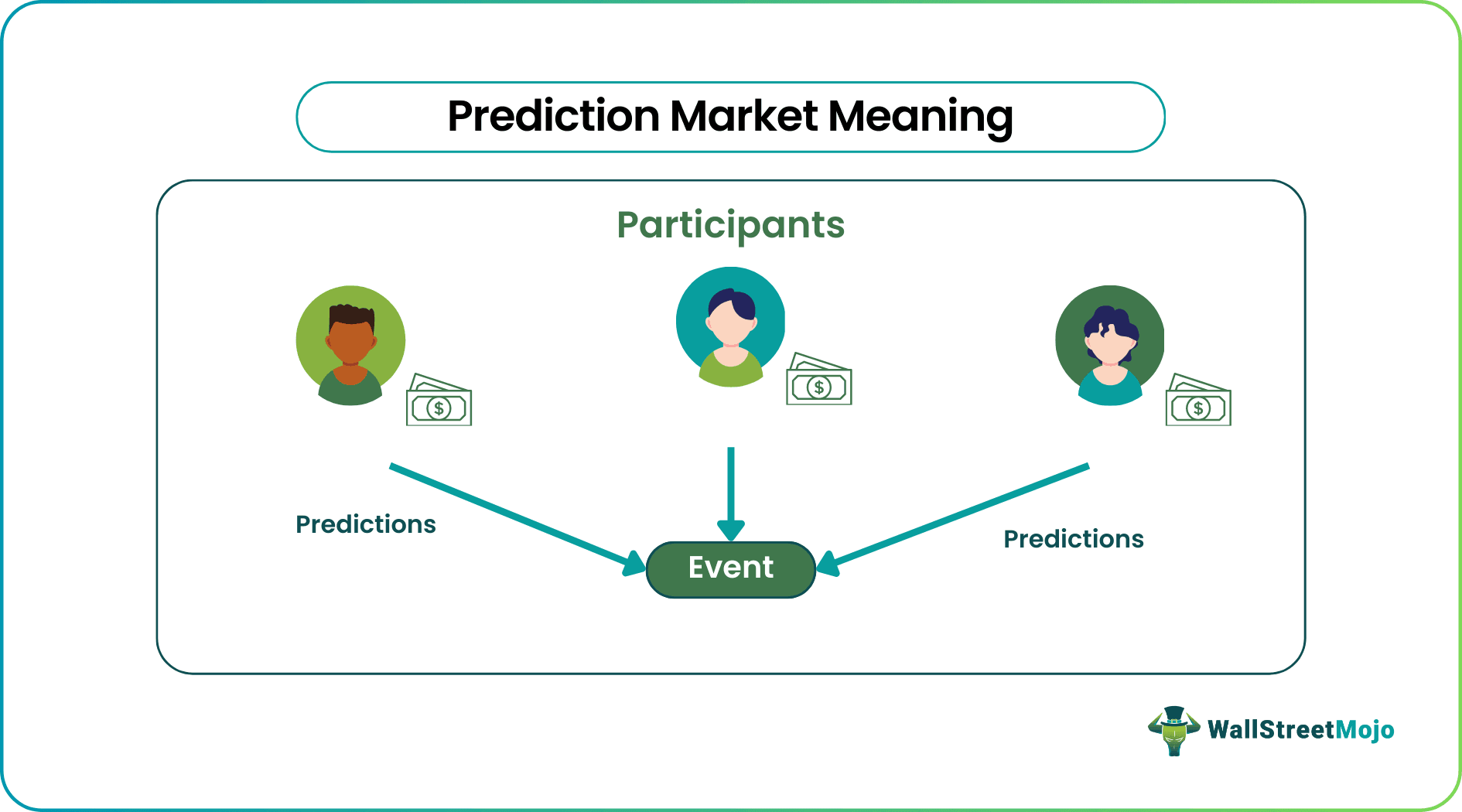
The attraction is obvious. Prediction markets let users trade on outcomes, often with fast settlement and a clean interface. But that same simplicity makes regulators uneasy, because simple user experiences can hide hard legal questions. Is the user speculating, betting, or hedging?
That distinction is not academic. It determines which laws apply, which licenses are needed, and which watchdog gets the final word. If the answer changes by state or country, your product team has a mess on its hands.
What the mainKeyword debate means for operators
For operators, the mainKeyword debate is about survival as much as growth. A product can look strong in user metrics and still get clipped by a legal ruling or enforcement action. That is the tension. Not market demand. Jurisdictional fit.
Look, this is where many firms get ahead of themselves. They assume a slick interface and a large audience will force acceptance. But regulators do not grade on product taste. They ask whether the market is fair, lawful, and supervised.
The operational pressure points
- Licensing strategy. You need to know whether you are dealing with a gambling regulator, a financial regulator, or both.
- Market design. Settlement rules must be transparent. Ambiguity here invites disputes.
- Risk controls. Price manipulation, insider access, and wash activity can damage confidence quickly.
- Customer checks. KYC and AML standards should be documented and enforced, not treated as a box-tick.
And there is another issue. Cross-border growth. A product that looks legal in one market can be a headache in the next, especially if payments, marketing, or custody flow through multiple entities.
Why regulators are not likely to blink
Regulators usually move slowly, but they do not move randomly. When they focus on a category like prediction markets, it is often because consumer harm, market integrity, or licensing arbitrage has caught their attention. That is a familiar pattern in betting and fintech.
The cautious response is usually the right one. Build for the strictest plausible interpretation first, then relax only where the law clearly allows it. That approach is less glamorous, but it saves money later. Would you rather defend a fast launch or a durable one?
Firms that treat compliance as a product feature will handle this moment better than firms that bolt it on after launch.
What good practice looks like now
If you are operating in or around prediction markets, start with a hard inventory of your exposure. List each market, each jurisdiction, each payment rail, and each rulebook that could apply. Then compare your actual product behavior with what your lawyers think the regulators will say.
- Map every jurisdiction where users can access the product.
- Document event sources and settlement logic.
- Review disclosures so users understand risk and pricing.
- Test escalation paths for disputes, outages, and market anomalies.
- Audit promotions to make sure marketing does not overstate certainty or profit potential.
One more thing. Do not let the term itself do the talking for you. Calling something a prediction market does not make it compliant, just as calling a room a kitchen does not make the pipes work. The plumbing still has to pass inspection.
What to watch next in prediction markets
The next phase will likely turn on classification and enforcement. If regulators draw sharper lines, some firms will adapt and others will retreat. If courts weigh in, the category may split into narrower product types with different obligations.
For now, the safest assumption is that scrutiny will deepen before it softens. Teams that prepare for that reality will have room to move. Teams that chase speed first may find the door closes on them later. That is the bet worth watching.