Play’n GO’s Cursed Moon Power Collection and the Feature-First Slot Playbook
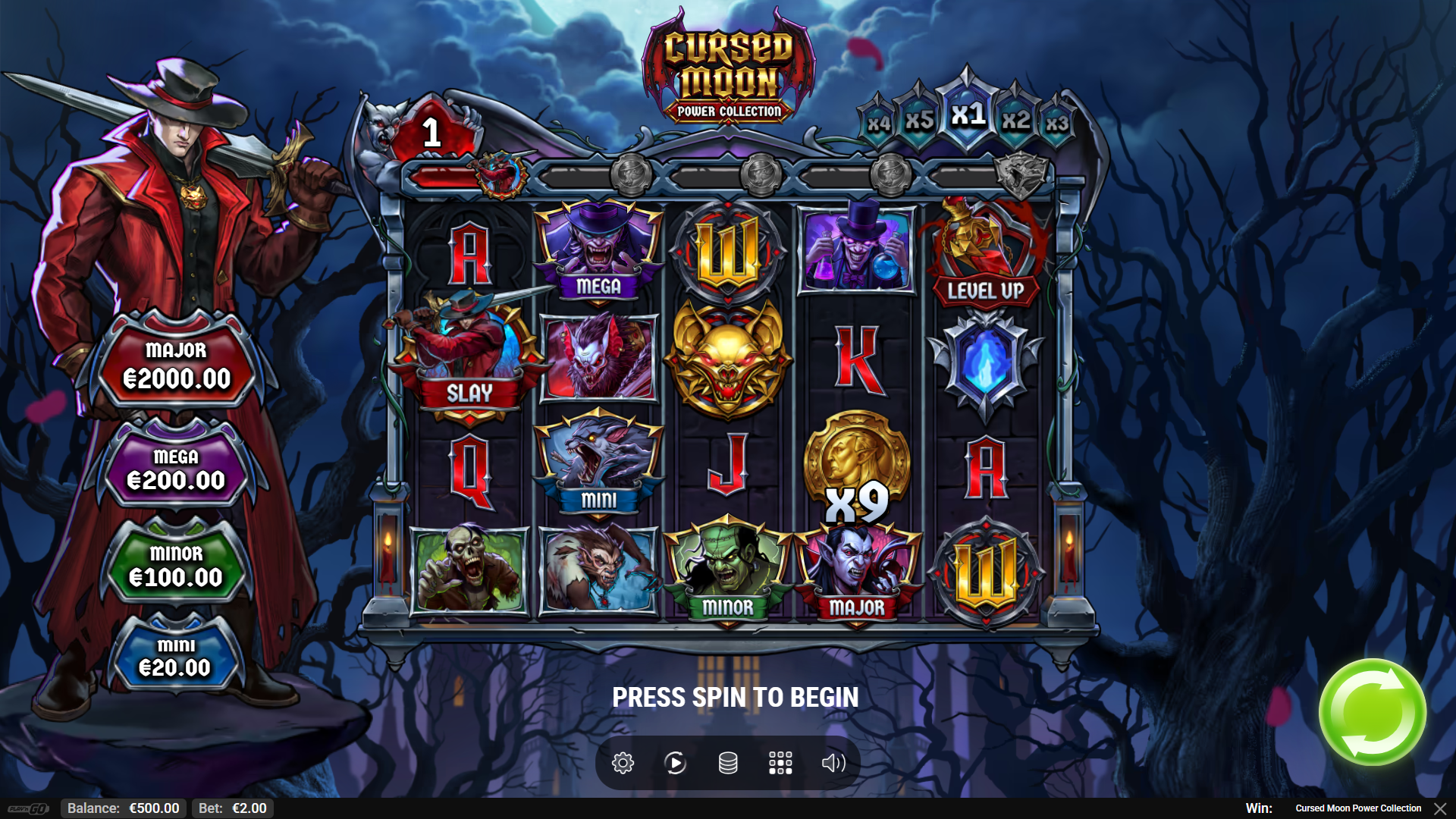
Studios keep pushing new slot releases because the market rewards speed, theme, and a sharp hook. That is exactly why Cursed Moon Power Collection matters. It is another sign that the best-performing suppliers are not simply building games. They are building a recognizable product rhythm that operators can sell and players can spot fast.
For you, that matters if you track content strategy, game positioning, or supplier momentum. A title like this is never just a title. It is a test of whether the studio can keep its brand fresh without losing the mechanics that players already trust. And in a crowded slot lobby, that balance is non-negotiable. What makes one moon-themed release stick while another disappears after a week?
- Theme still matters, but feature structure now does most of the heavy lifting.
- Series branding helps operators group content and market it faster.
- Player recognition depends on clear mechanics, not just visuals.
- Launch timing can shape whether a slot feels fresh or instantly forgettable.
“A slot theme can open the door. The feature set decides whether players stay inside.”
Why Cursed Moon Power Collection Fits the current mainKeyword trend
Play’n GO has spent years proving that it knows how to package familiar ideas in a way that still feels saleable. The mainKeyword here is really about product identity. Studios want a title that can stand alone, but also sit inside a broader collection of games that share tone, math, or feature logic.
That is smart business. Operators want content that is easy to explain in lobby tiles, promo copy, and tournament placements. Players want to know what they are getting in seconds, not after a long rules screen (which they usually skip anyway).
Look at the pattern. A moody setting, a strong central object, and a power-driven feature stack give the game a clearer pitch than a generic five-reel slot ever could. It is a bit like restaurant plating. The meal can be solid, but if it arrives looking random, most people will move on.
What the mainKeyword tells you about slot design today
The real story behind mainKeyword is not the name. It is the shift toward modular design. Studios now build games so one part of the machine can be swapped, tuned, or repeated across releases without breaking the wider brand.
That matters because slot buyers, especially at operator level, are looking at more than raw novelty. They want predictable retention hooks. They want feature cadence that can support promos, daily jackpots, and segmented player offers. They also want games that fit into a content calendar without causing clutter.
Three signals worth watching
- Feature recognition. If a player can guess the bonus type from the thumbnail or title, the studio has done part of the job already.
- Brand continuity. Collections reduce the cost of reintroducing a theme each time.
- Market pacing. Frequent releases help, but only if each one has a distinct hook.
But there is a catch. Push the formula too far and you get sameness. The lobby starts to feel like a shelf of nearly identical bottles with different labels. Players notice. So do operators.
Why feature-led slot launches keep winning
The modern slot market rewards games that can be summarized in one line. That is why power collections, hold-and-win mechanics, bonus ladders, and symbol-based modifiers keep showing up. They are easy to market and easy to map against player expectations.
For studios, this is not laziness. It is segmentation. Different players want different levels of volatility, pace, and visual drama. A strong mechanic gives the studio a clean way to sell that promise.
Do players really care about the theme first? Sometimes, yes. But the second spin decides the outcome. If the core mechanic feels flat, even a strong visual package will fade fast.
What operators should take from this release pattern
If you run content or product for an operator, the lesson is practical. You should judge releases like Cursed Moon Power Collection on three fronts: positioning, audience fit, and promo utility. A game can be fine and still be the wrong fit for your lobby mix.
- Positioning. Can you explain the game in one sentence without sounding generic?
- Audience fit. Does the volatility profile match the players you want to reach?
- Promo utility. Can the title support a feature campaign, tournament, or weekend push?
That last point is where collections matter most. They make content planning easier. They also create a cleaner runway for repeat marketing. But only if the studio keeps the games distinct enough to avoid fatigue.
Where the market may go next
Play’n GO and its peers are likely to keep leaning into collection-based naming, thematic series, and layered mechanics. That is where the commercial logic is strongest right now. The safer bet is not a wild reinvention. It is controlled variation.
And that is the real tension in slot design. Too much sameness kills interest. Too much novelty breaks recognition. The studios that win will be the ones that know where that line sits, then keep crossing it only by an inch.
Watch the next batch of releases closely. If the collection gets tighter, sharper, and more focused, that is a signal. If it starts to feel like a copy-paste routine, players will move on faster than the marketing team can rewrite the caption.