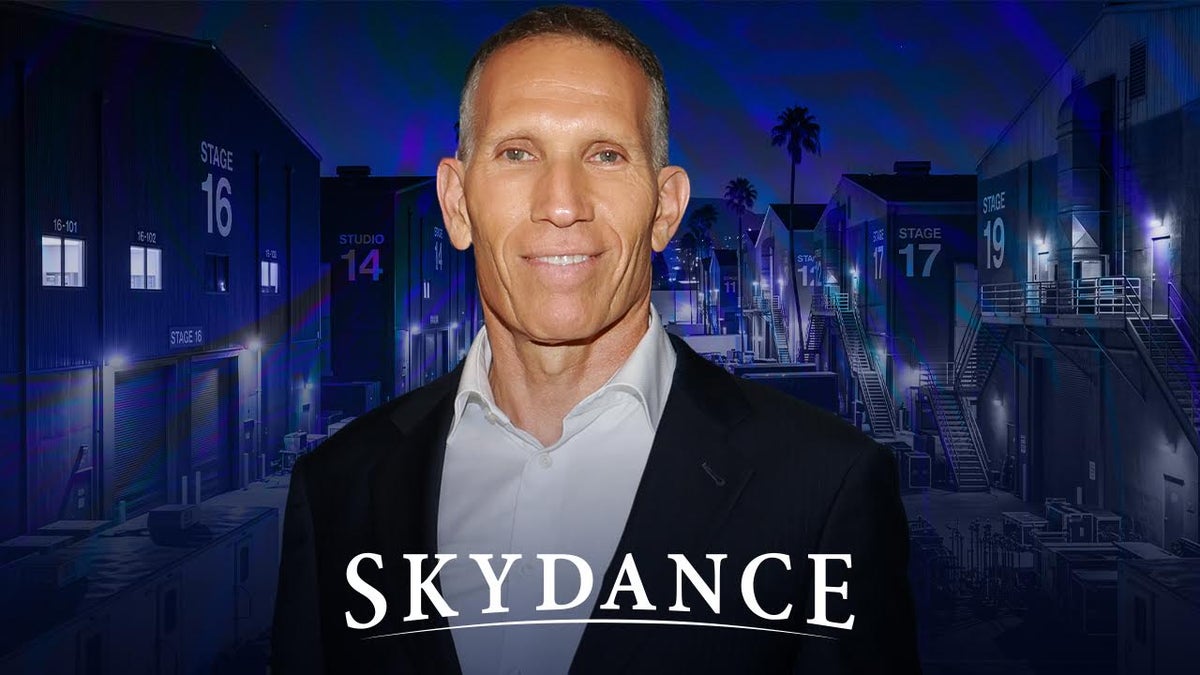
Patrick Ramsey Joins IGT Parent Board
Board moves in gaming can look routine on paper, but they often tell you where a company wants to go next. The Patrick Ramsey board appointment at the parent company of IGT is one of those moves. It matters because boardrooms help shape capital allocation, operating discipline, and the pace of strategic change. If you track gaming, payments, or regulated entertainment, you know these signals are rarely random.
Ramsey brings long operating experience in gaming, which is useful at a time when the sector is balancing land-based recovery, digital bets, and tougher compliance demands. A board seat is not a press-release trophy. It is a role that can affect how hard a company pushes on growth, M&A, and product strategy.
What the Patrick Ramsey board appointment tells you
- IGT’s parent is adding sector experience at the top. That usually points to sharper oversight and more grounded debate.
- Gaming operators value people who know regulation. Board members with real industry scars can spot weak assumptions faster.
- Strategy may stay disciplined. Boards with deep market knowledge often press management to back every move with clear returns.
- Digital and land-based priorities are still linked. The company needs leadership that understands both sides of the business.
Why a board seat matters more than most people think
Board appointments are often treated like corporate wallpaper. They are not. A director helps shape how management thinks about risk, growth, and timing. That can matter as much as a product launch or acquisition.
Look at it like a football team hiring a defensive coordinator with years of film study. The players stay the same, but the decisions get cleaner. A strong board member does the same thing for a gaming company. They sharpen the questions and expose bad logic before it gets expensive.
“A board seat is where industry memory meets corporate decision-making. In a sector as regulated and cyclical as gaming, that memory has real value.”
Patrick Ramsey board appointment and the gaming sector backdrop
Gaming companies are operating in a tougher environment than they were a few years ago. Investors want growth, but they also want proof that growth can survive regulation, tax pressure, and uneven consumer spending. That is a hard mix.
Ramsey’s appointment fits a broader pattern. Companies in gaming and adjacent entertainment sectors have been leaning on directors who understand compliance, platform change, and customer behavior. Why? Because a board that only knows finance can miss the operational texture that drives results.
What this may mean for IGT parent company priorities
- More pressure on execution. Boards with deep sector experience tend to ask for clearer milestones.
- Better risk framing. That matters in markets where licensing, responsible gaming, and contract timing can change quickly.
- Closer scrutiny of capital deployment. Investors usually prefer fewer flashy bets and more evidence.
And that is the key point. This kind of appointment is often about fit, not fanfare.
What investors and industry watchers should watch next
The next signal will not be the appointment itself. It will be how the company talks about priorities over the next few quarters. Does management lean harder into operational efficiency? Does it push digital product development? Does it adjust how it frames long-term value? Those are the questions that matter.
There is also a governance angle. A board with more direct industry experience can help prevent detached decision-making, which is a common failure mode in large public companies. That does not guarantee better results. But it raises the odds that management will get pushed on the right issues.
For investors, the smart move is to watch the follow-through. New directors can signal intent, but quarterly actions show whether that intent has teeth.
What to read in this move
If you follow gaming board changes closely, treat this as a read on company discipline. The market is not rewarding vague ambition anymore. It wants operating clarity, clean governance, and people who know the business from the inside.
Will this appointment change the company’s direction overnight? No. But it can shape the questions that define the next two years, and that is where the real leverage sits.
Keep an eye on the next earnings call and any changes in how the company discusses strategy. That is where this board move will start to show its weight.