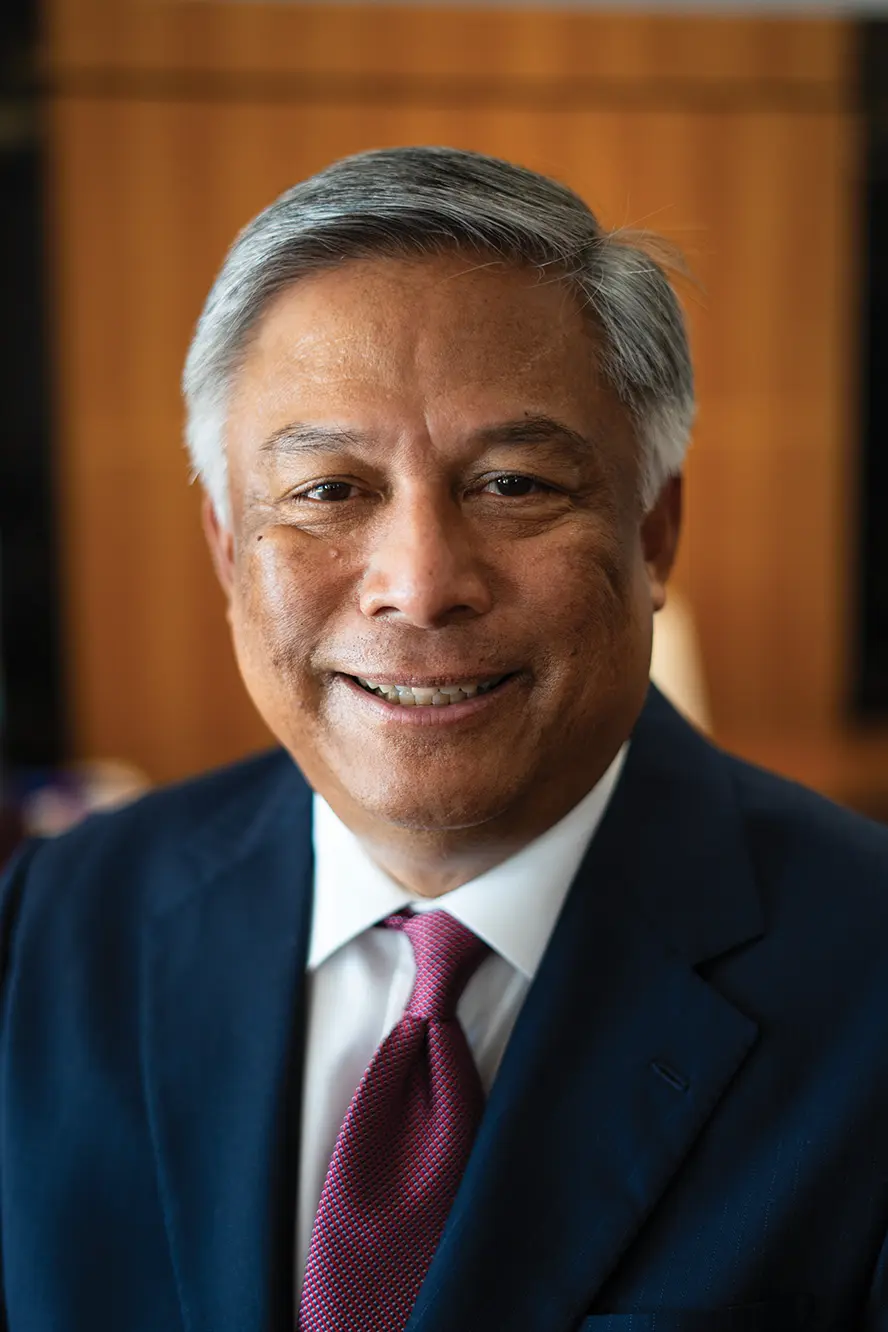
PAGCOR Chairman Tengco Adds Three New Pillars to His Legacy
The Philippine gaming market is moving fast, and that creates a real problem for operators, investors, and policy watchers. You need to know which policy signals matter and which ones are just noise. The latest move from PAGCOR chairman Tengco matters because it points to where the regulator and operator sees the industry heading next. That has direct consequences for licensing, investment, tourism, and market confidence in the Philippines.
Alejandro Tengco has already tied his name to reform, stronger revenue performance, and a push to sharpen PAGCOR’s role. Now he is adding three more pillars to that agenda. Why does that matter? Because in a market where regulation can shape growth overnight, strategic priorities are not abstract. They affect real money, real projects, and real timelines.
What stands out
- PAGCOR chairman Tengco is broadening his long-term agenda beyond short-term revenue gains.
- The new pillars signal a more deliberate attempt to shape the Philippine gaming market’s next phase.
- Regulation, infrastructure, and investor confidence are likely to stay tightly linked.
- For operators, this is a cue to watch policy direction as closely as quarterly numbers.
Why PAGCOR chairman Tengco’s new pillars matter
Tengco’s tenure has already been defined by a practical streak. He inherited a regulator with overlapping roles, political scrutiny, and heavy expectations. Since then, PAGCOR has pushed a clearer reform story, one built around stronger financial performance and a cleaner operating posture.
These added pillars suggest he is thinking beyond the next earnings cycle. That is the point. A regulator’s legacy is not just about collecting more fees or opening more properties. It is about whether the market becomes more credible, more stable, and easier to understand for serious participants.
In gaming, policy direction often works like architecture. If the foundation is uneven, every shiny new floor above it carries more risk than it should.
That is where Tengco’s framing deserves attention. He appears to be positioning PAGCOR as a body that can support growth while keeping one eye on public accountability and another on market order.
What the three new pillars could mean for the Philippine gaming market
The source report centers on Tengco’s effort to cement his legacy with three more pillars. Even without treating the language as grand theater, the intent is clear. He wants his administration to be measured by more than basic operational success.
Look, that is the right instinct.
Gaming regulators in Asia are under constant pressure to prove they can attract investment without letting standards slip. In the Philippines, that balancing act is especially visible because PAGCOR is both a regulator and a market actor. That dual role has always raised hard questions.
1. A more defined strategic identity
One likely effect of these new pillars is a more defined public identity for PAGCOR. That matters because mixed signals create friction. If stakeholders see a regulator that knows where it is heading, capital tends to move with fewer second guesses.
And that confidence does not come from speeches alone. It comes from predictable licensing decisions, visible compliance priorities, and steady messaging to the market.
2. Better alignment between regulation and tourism
The Philippine casino sector does not operate in a vacuum. Integrated resorts, entertainment hubs, and tourism strategy all intersect here. If Tengco’s pillars reinforce that link, PAGCOR could further support a model where gaming is treated as part of a broader visitor economy rather than a stand-alone revenue machine.
That is a smarter frame. Singapore proved years ago that casino policy lands differently when it is tied to destination development, not just gambling receipts.
3. Stronger pressure for institutional credibility
Every regulator says credibility matters. The real test is whether it acts like credibility is non-negotiable when the market gets messy. New pillars, if they are serious, create a standard Tengco will be judged against.
That means cleaner oversight, clearer communication, and less room for policy drift (which has hurt more than a few gaming jurisdictions over the years).
PAGCOR chairman Tengco and the bigger regulation question
The bigger issue is not just Tengco himself. It is whether PAGCOR can keep evolving into a sharper institution while carrying its unusual structure. That debate has hovered over the agency for years, and it is not going away.
Here’s the thing. Legacy talk can sound self-serving in politics or regulation. But in this case, it also serves as a signal to the market. Tengco seems to be saying that PAGCOR’s job is not finished, and that the next phase needs more than momentum.
It needs a plan.
For operators, this is the practical takeaway. Watch whether these pillars produce concrete policy changes, better timelines, and more transparent standards. If they do, the market benefits. If they stay at the slogan level, interest cools fast.
What operators and investors should watch next
If you follow the Philippine gaming market, focus less on ceremonial language and more on execution. That is where Tengco’s expanded agenda will either hold up or fall apart.
- Licensing consistency. Are approvals and compliance actions becoming easier to read?
- Market messaging. Does PAGCOR communicate policy shifts clearly to domestic and international stakeholders?
- Tourism and infrastructure links. Do the agency’s priorities support wider resort and destination goals?
- Institutional reform. Is there visible progress on the structural questions that have trailed PAGCOR for years?
Honestly, this is where veteran observers tend to get skeptical. Gaming markets love announcing vision. They are less disciplined when it comes to execution. The Philippines has strong upside, but upside alone never closes credibility gaps.
What Tengco’s legacy push says about the road ahead
PAGCOR chairman Tengco appears to understand that revenue wins are not enough to define a lasting record. The smarter play is to frame his leadership around market direction, institutional trust, and long-term positioning. That gives his administration a broader scorecard, and it gives the industry a clearer one too.
The next question is simple. Will these pillars turn into policy that operators can feel on the ground?
If they do, Tengco’s legacy will look less like branding and more like structural change. In the Philippine gaming business, that is the only kind that really lasts.