Oklahoma Prediction Markets Face Sports Betting Scrutiny
You may not think a contract on a football outcome looks like a sportsbook ticket, but Oklahoma officials are being forced to decide how close the two really are. Oklahoma prediction markets now sit in a gray zone between federally regulated event contracts and state-controlled sports betting. That matters because Oklahoma still has no legal retail or mobile sports wagering, despite years of talks among lawmakers, tribes, and the governor’s office. KOCO reported that state leaders are weighing how these markets should be treated as companies offer sports-related contracts to users in states where sportsbooks may be restricted. The timing is awkward. Federal platforms are moving fast, while state gaming policy in Oklahoma remains tied to tribal compacts, revenue sharing, and political trust that has been thin for years.
What matters right now
- Oklahoma prediction markets may test the line between financial contracts and sports betting.
- Sports betting is still not legal in Oklahoma, which makes federal event-contract access more contentious.
- Tribal gaming operators have a direct stake because Oklahoma’s casino market is built around tribal compacts.
- The Commodity Futures Trading Commission oversees federally registered prediction markets, but states argue they still control gambling inside their borders.
- The next fight may be less about technology and more about jurisdiction.
Why Oklahoma prediction markets are now a regulatory problem
Prediction markets let users buy contracts tied to future events. In politics, that might mean an election outcome. In sports, it could mean whether a team wins a game, reaches a playoff round, or hits a season milestone.
That sounds a lot like betting to many state regulators. The industry prefers a different label: event contracts. The difference is not cosmetic because financial markets are handled under federal law, while gambling rules usually sit with the states.
KOCO’s report frames the issue plainly: Oklahoma is looking at whether prediction markets tied to sports should be regulated like sports betting.
That gap is where the fight lives. If a sports outcome contract is treated as a commodity product, a federally regulated exchange can argue that state gambling bans do not decide the issue. If it is treated as a wager, Oklahoma’s gaming laws and tribal compacts come straight into play.
Oklahoma prediction markets and the sports betting stalemate
Oklahoma has watched neighboring states move ahead with sports betting while its own proposals have stalled. Kansas, Arkansas, Colorado, and other nearby markets have legal sports wagering in some form, which means Oklahoma bettors do not need a long drive to find a legal app or retail window.
The local blocker has never been a lack of interest. It has been structure. Oklahoma’s gaming market depends on tribal nations that operate casinos under state compacts, and any sports betting plan needs to answer who controls licenses, how revenue is shared, and whether mobile betting runs through tribes.
The core question is simple: who gets to call the game?
Prediction markets complicate that question because they can arrive through a different door. Think of it like a restaurant that cannot get a liquor license, then sees a delivery service bring cocktails to the same customers under a separate permit. The end user may see the same product, but regulators see a fight over authority.
How prediction markets differ from sportsbooks
A sportsbook sets odds and takes bets against those odds. A prediction market typically matches buyers and sellers of contracts, with the price moving as demand changes. A contract priced at 60 cents may imply a 60 percent market view of an outcome, although prices can also reflect fees, liquidity, and user behavior.
That market structure is the best argument the prediction market sector has. Platforms can say they are offering risk-transfer products, not casino wagers. They also point to federal oversight, including CFTC rules, reporting duties, and market surveillance.
But the sports context makes that pitch harder. If a user pays money because they think Oklahoma State will beat an opponent, most people would call that betting. The legal label may differ, but consumer behavior often looks familiar.
What regulators will likely examine
- Event type: Contracts on elections, weather, inflation, and sports may not receive the same treatment.
- User access: Officials will ask whether Oklahoma residents can trade sports contracts from inside the state.
- Platform status: A federally registered exchange has a different legal footing than an offshore betting site.
- Consumer protections: Age checks, responsible gambling tools, deposit limits, and dispute handling will matter.
- Tribal compact impact: Any product that functions like sports wagering could trigger compact and exclusivity concerns.
The tribal gaming angle is non-negotiable
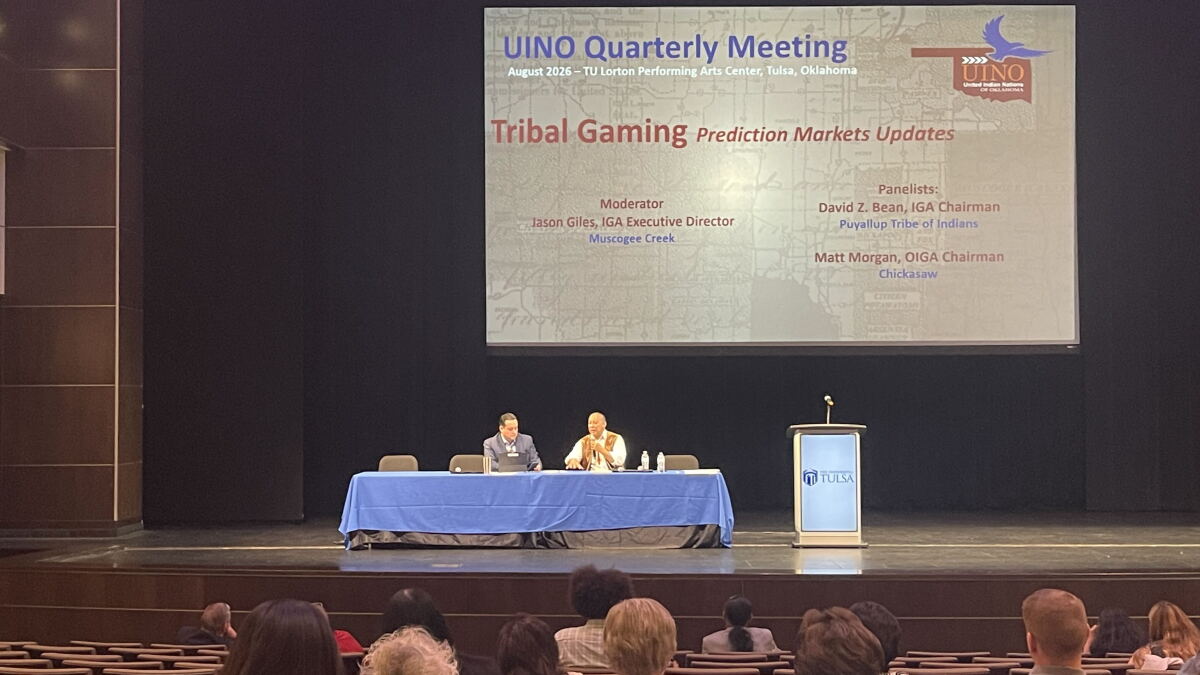
Oklahoma’s tribes are not side characters in this debate. They operate one of the largest tribal gaming markets in the United States, and casino revenue funds public services, jobs, and tribal government programs.
If sports-related prediction markets reach Oklahoma users without a state sports betting law, tribes will likely ask why an outside platform can offer a similar product without compact terms. That is not a small complaint. It goes to the foundation of Oklahoma gaming policy.
Lawmakers should not pretend this is only a tech issue. I have covered enough gaming fights to know the pattern. New products often arrive with polished legal language, then regulators spend years catching up while customers are already using them.
What the CFTC role means, and what it does not mean
The Commodity Futures Trading Commission regulates derivatives markets in the United States. Some prediction market operators argue that sports event contracts fall within that federal framework if listed through approved channels.
Federal oversight gives these platforms credibility that illegal bookmakers do not have. It can also preempt some state-level arguments, depending on the product and the court. But that does not make state regulators irrelevant, especially where gambling, consumer protection, and tribal rights are involved.
Here’s the thing: a federal badge does not erase every local conflict. It may only move the fight to a courtroom, a rulemaking docket, or a state attorney general’s desk.
What Oklahoma should do next
Oklahoma does not need panic regulation. It does need a clear test for sports-linked event contracts before the market grows too large to manage. Waiting until football season traffic spikes would be sloppy policy.
A useful state response would include:
- Define when an event contract becomes a sports wager under Oklahoma law.
- Ask platforms to disclose whether Oklahoma users can access sports markets.
- Consult tribal nations before any enforcement or licensing path is set.
- Review age verification, advertising standards, and responsible play tools.
- Coordinate with federal regulators instead of assuming state law alone will settle it.
That last point matters. A state-only crackdown may fail if federal law protects the product. A federal-only approach may also fail politically if it ignores compacts and local gambling rules.
The next Oklahoma betting fight may not look like betting
Oklahoma’s sports betting debate used to be easy to spot. It meant bills, compact talks, casino operators, and arguments over tax rates. Prediction markets scramble that picture because they borrow language from finance while appealing to many of the same sports fans.
My read is blunt: Oklahoma should treat this as a live gaming policy issue, not a niche finance story. If officials want sports betting to run through negotiated tribal and state rules, they need to say how sports event contracts fit before the market defines the answer for them. The practical next step is a public regulatory hearing with tribes, lawmakers, consumer advocates, and CFTC-aware legal experts at the same table.