NYC Casino Licenses: What the State Gaming Board Approval Means
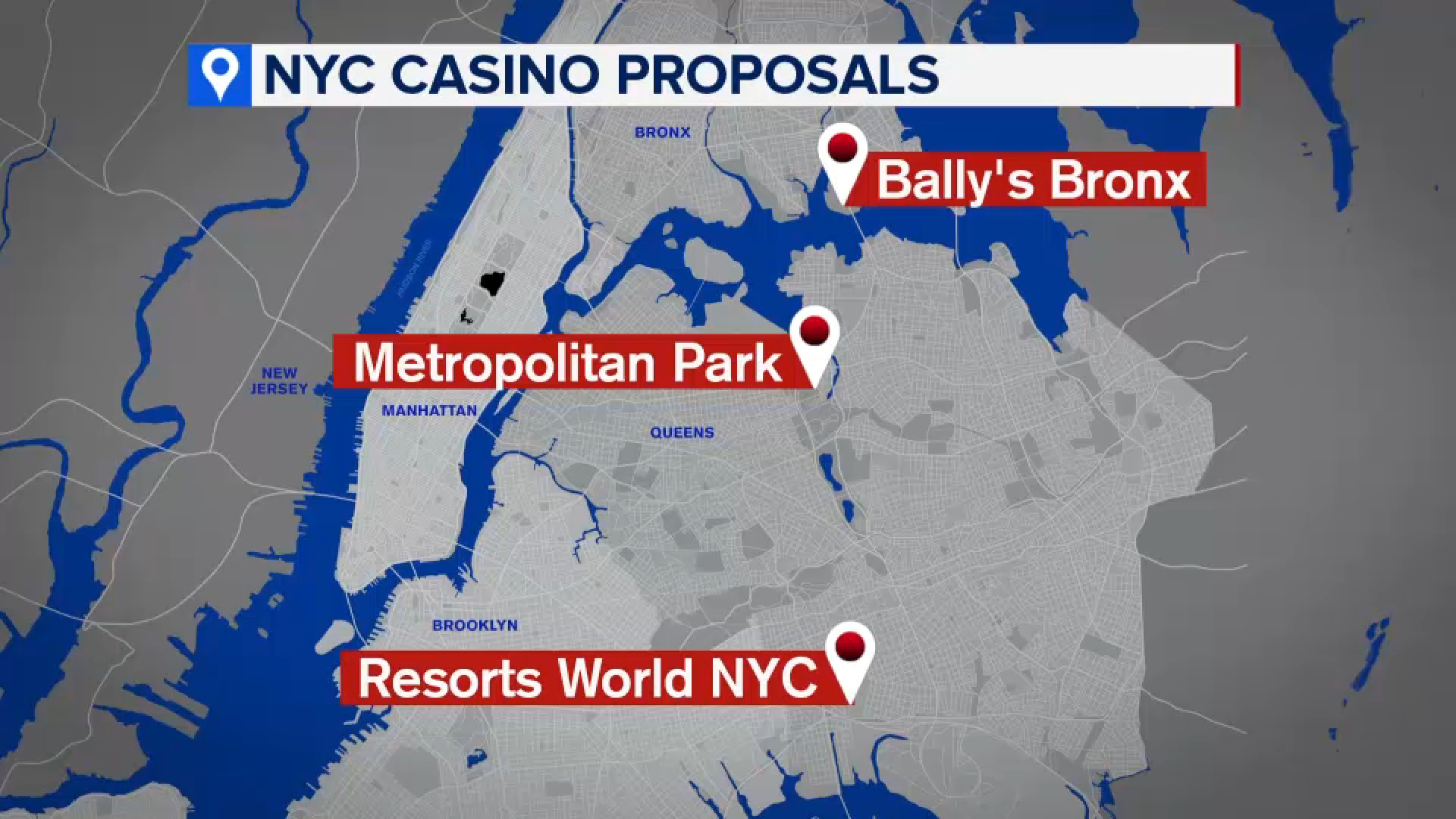
NYC casino licenses are moving from rumor to reality, and that changes the stakes for everyone watching downstate New York. The state Gaming Board is set to finalize approval for three casino sites, which means the race is no longer about who can dream biggest. It is about who can build, finance, and satisfy regulators. Why does that matter now? Because these approvals can shape jobs, transit pressure, neighborhood politics, and where gambling revenue flows for years.
For residents, this is about more than slot machines and card tables. It is about whether promised tax dollars show up, whether traffic gets worse, and whether the projects can actually survive the next round of scrutiny. For operators, the message is plain. Get clean, get local support, and get ready for a long slog. The easy phase is over.
What stands out in the NYC casino licenses race
- The state is close to locking in three downstate sites. That narrows the field fast.
- Regulatory approval is only one hurdle. Developers still need financing, construction plans, and local buy-in.
- Jobs are a central pitch. Casinos usually sell themselves on construction work, permanent staff, and knock-on spending.
- Neighborhood impact will stay front and center. Transit, congestion, and public safety will shape the debate.
- The next phase is political, not just technical. Local leaders will press for tradeoffs and guarantees.
Why the state’s move matters
New York does not hand out casino licenses casually. The process is designed to filter out weak proposals and force operators to prove they can deliver. That is the point of a state gaming review. It is a gate, not a ribbon-cutting.
The three-site plan also matters because it sets a ceiling on the market. Fewer licenses means less room for spread-out competition and more pressure on each winning bidder to perform. Think of it like building three main load-bearing walls instead of ten thin partitions. The structure has to hold.
“Approval is not the finish line. It is the moment the project becomes real enough for people to fight about it in public.”
How NYC casino licenses affect jobs and tax revenue
Supporters usually lead with employment, and that argument will get louder now. Casino projects can create construction work first, then hotel, gaming, security, food service, and management roles later. The scale depends on the site, the financing stack, and how much of the project survives intact.
Tax revenue is the second big promise. States and cities like casino deals because they can generate recurring income without raising broad taxes on residents. But the numbers only matter if the properties open on time and keep drawing customers. A license on paper does not pay school budgets or transit upgrades.
And here is the catch. If a project leans too hard on rosy forecasts, local officials will notice. They have seen this movie before. So have voters.
What the local fight will look like next
Once the Gaming Board moves, the conversation shifts from whether to who, where, and under what conditions. Community boards, city officials, labor groups, and nearby residents will push for concessions. Some will want transit funding. Others will want noise limits, street improvements, or stronger policing plans.
Developers know this part of the process can be messy. It is a little like a kitchen line during dinner rush. Every station has to work, or the whole service slows down. One weak permit or one angry borough leader can stall the timeline.
Questions you should watch
- Does the project have real financing, or just headline numbers?
- What local benefits are locked in, and which ones are vague?
- How will traffic, transit, and public safety be handled?
- Will the casino compete with existing gaming venues or pull new customers into the market?
Those are the questions that decide whether a casino proposal is solid or just loud.
NYC casino licenses and the bigger market picture
Downstate New York has long been seen as a prize because of population density and tourism. If these approvals move ahead, they could pull spending away from nearby states and local entertainment rivals. That is why every bidder is framing its pitch around economic impact, not just gaming tables.
But the market is not automatic. Casinos need constant foot traffic, strong hotel demand, and repeat visits. Without that, the math gets thin. Real estate costs in New York are brutal, and casino projects have to absorb that reality from day one.
That is the real test now. Can the winners turn a political win into an operating business that still looks smart five years out?
What to watch after approval
The next phase will tell you more than the approval itself. Watch for financing announcements, design changes, labor agreements, and local hearings. If those pieces move cleanly, the projects have momentum. If they stall, the licenses may look better on paper than in practice.
For now, the Gaming Board is doing what regulators do best. It is narrowing the field and forcing the winners to prove they deserve the win. The market gets real after that. And once shovels hit the ground, the debate changes fast. Who will actually deliver, and who will just keep talking?
Where the story goes from here
The next update should not be about hype. It should be about timelines, funding, and what each site is willing to give back to the city. If you want to understand the future of NYC casino licenses, follow the money and the permits, not the press releases.