Nevada Senators Warn Social Media Checks Could Hurt Tourism
Las Vegas depends on a steady flow of international visitors, convention guests, and high-value travelers. So any new border rule that adds friction gets attention fast. The latest fight centers on social media checks for US visitors, a proposal that Nevada senators say could further strain tourism at a bad moment. Their concern is simple. If travelers think entering the United States will mean deeper scrutiny of their online activity, some will skip the trip, delay plans, or choose another destination. That matters in Nevada, where tourism fuels casinos, hotels, restaurants, live events, and thousands of jobs. Look, border security is a real issue. But so is the economic cost of policies that make the US feel harder to visit, especially for a state built around welcoming outsiders.
Why Nevada is pushing back
- Nevada lawmakers argue new screening rules could chill inbound travel.
- Las Vegas is exposed because it relies heavily on international tourism and conventions.
- Extra scrutiny can damage perception even before rules are widely enforced.
- The debate shows how immigration policy can hit gaming and hospitality revenue fast.
Why social media checks for US visitors matter to Nevada
Nevada’s senators are warning that the policy could do more than slow airport lines. They say it could deepen existing tourism headwinds by making the United States look less welcoming to foreign guests. That is a live issue for Las Vegas, not a theoretical one.
The city runs on visitor confidence. Casino floors, resort bookings, trade shows, and headline entertainment all depend on people feeling the trip is worth the cost and hassle. Add another layer of screening, especially one tied to personal online speech or digital identity, and some travelers will rethink the whole plan.
Perception drives behavior.
That is why this debate lands differently in Nevada than it might in a state less tied to travel spending. A manufacturing state can absorb more policy friction. A tourism economy cannot. It is a bit like adding extra checkpoints outside a stadium before kickoff. Some fans still go in. Others decide the night is not worth the headache.
What the proposed checks could mean in practice
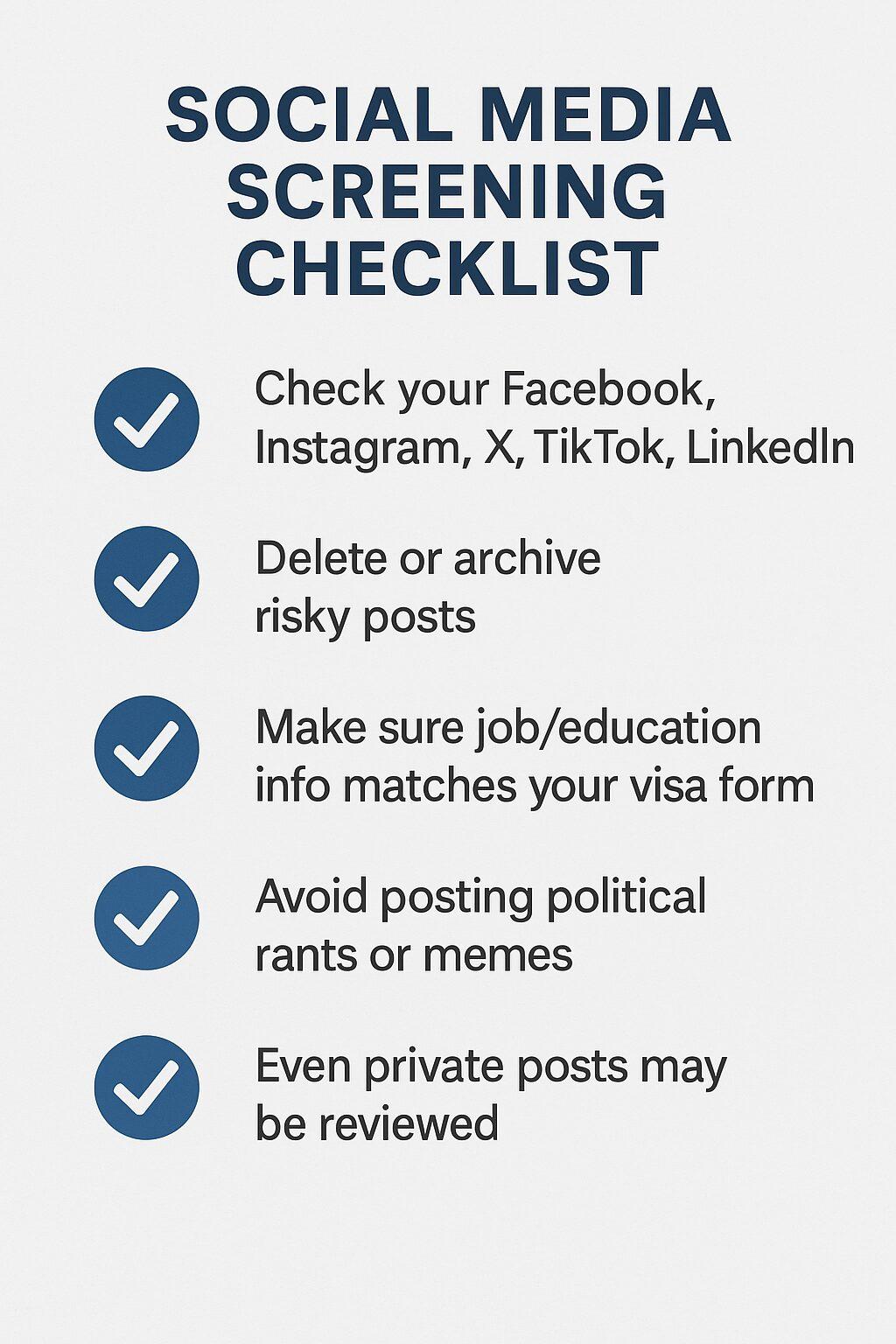
The reporting points to concern over expanded scrutiny of travelers’ social media activity as part of the US entry process. Even without a blanket rule applied to every visitor, the signal matters. People hear that their digital life may be reviewed, and many will read that as a privacy risk.
Honestly, that alone can change booking behavior. International travelers already weigh visa processing times, flight costs, exchange rates, and airport delays. Why add another variable that feels opaque?
- Longer decision cycles. Travelers may postpone bookings while they try to understand the rule.
- Higher abandonment rates. Some visitors will pick Canada, Europe, or Asia instead.
- Convention drag. Event organizers may worry about attendee turnout from overseas markets.
- VIP travel impact. High-net-worth guests often value privacy and predictability above almost everything else.
And that last point matters for gaming. Premium casino customers are not buying a cheap weekend. They bring outsized value across suites, dining, retail, and table play. If even a small slice of them chooses Macau, Singapore, or London over Las Vegas, the revenue effect can punch above its weight.
Social media checks for US visitors and the wider tourism slump
Nevada lawmakers are framing this as one more hit to an industry that has already dealt with pressure from inflation, cautious consumer spending, and tighter travel budgets. The state knows how fast sentiment can turn. A single policy headline can ripple through tourism boards, travel agents, and business event planners.
For Las Vegas, travel friction is not a side issue. It goes straight to occupancy, gaming revenue, and convention traffic.
That is the larger point. This is not only about civil liberties or border operations. It is also about whether the US wants to compete aggressively for global travelers. Other destinations are doing exactly that, and they are not shy about marketing convenience.
But here is the question Nevada is really asking. Why make it harder to sell America when international competition for visitors is getting sharper every year?
What sectors in Nevada could feel the pressure first
Casinos and resorts
International guests often spend more per trip than domestic visitors, especially in luxury segments. If those travelers hesitate, casino operators can feel it through room rates, premium gaming, food and beverage spend, and entertainment sales.
Conventions and trade shows
Las Vegas is one of the top convention markets in the US. Event organizers need predictable attendance from Europe, Asia, and Latin America. Policies that create uncertainty can push planners to hedge, scale down, or favor other host cities over time.
Airlines and local businesses
Tourism is an ecosystem. Lower inbound demand can affect airlines, ride-share drivers, small retailers, restaurants, and event crews. The hit does not stop at the casino door.
The political angle behind the warning
Nevada senators are doing what you would expect from lawmakers in a tourism-heavy state. They are defending a major economic engine and trying to stop a federal move they see as harmful. That stance is practical, not abstract.
And there is a second layer here. Nevada politicians know tourism data gets noticed quickly. Hotel occupancy, international arrivals, and Strip revenue all create visible scoreboards. If policy changes dent those numbers, the political blowback is easy to track.
That is why their warning carries weight beyond a single headline. It reflects a broader clash between security-first policy instincts in Washington and visitor-economy realities on the ground in Las Vegas.
What gaming and hospitality leaders should watch now
If you work in gaming, travel, or events, this is the part to watch closely. The immediate issue is not only whether the policy expands. It is how travelers interpret it, and how quickly that interpretation spreads online and through business networks.
- Monitor inbound booking trends from key international markets.
- Watch convention registration patterns for overseas delegates.
- Track traveler sentiment on privacy and border screening.
- Prepare clearer pre-arrival guidance for guests who have concerns.
A smart operator will not wait for a full downturn to react. They will sharpen communication now, especially for international and premium segments. Small reassurance steps can help, even if they cannot erase policy anxiety completely.
Where this could go next
The fight over social media screening is bigger than Nevada, but Nevada may be the state that feels the effects fastest. Lawmakers are right to flag the tradeoff. Border policy does not sit in a vacuum. It can hit tourism, gaming, and convention business with real force.
If Washington wants strong security without scaring off legitimate travelers, it needs rules that are narrow, clear, and easy to explain. Anything murkier risks doing fresh damage to cities that sell access, comfort, and fun for a living. Las Vegas can handle competition. What it does not need is its own government making the sales pitch harder.