Montana Lottery Intralot Deal Faces Transparency Questions
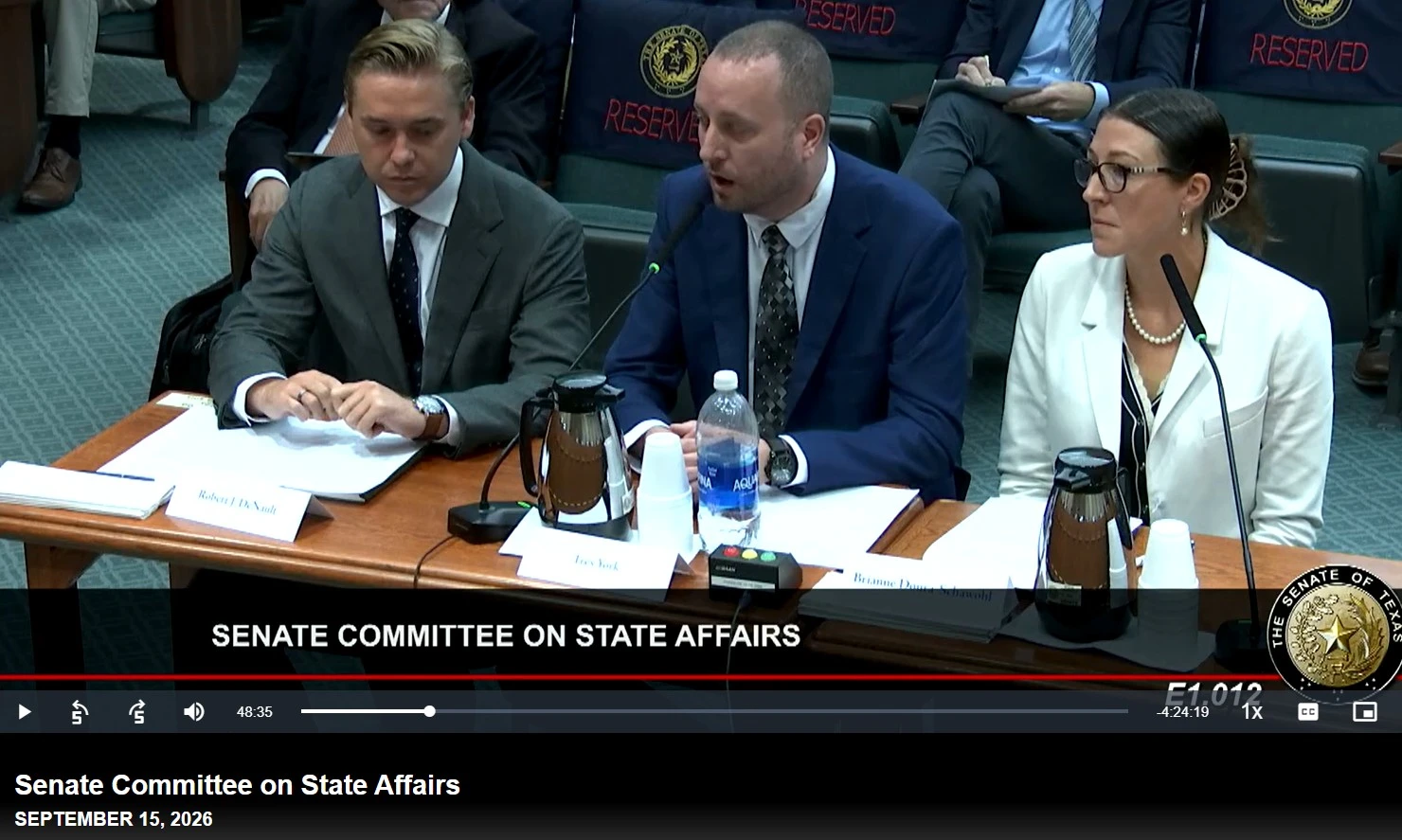
You care about the Montana Lottery Intralot deal if you care about how public gambling systems are bought, run, and monitored. The issue is not only whether the lottery has a working vendor. It is whether lawmakers and the public can clearly see why that vendor was chosen, what the state gets in return, and how performance is checked over time. According to GamblingNews, Montana lawmakers have questioned the lottery’s arrangement with Intralot and called for more transparency around the deal. That matters now because state-run betting systems sit at the intersection of public money, gambling regulation, data systems, and political trust. If the process looks too closed, even a legal contract can become a credibility problem. And in gambling, credibility is part of the product.
What Stands Out
- Lawmakers are pressing for clearer information about the Montana Lottery Intralot deal.
- The debate centers on transparency, vendor accountability, and public oversight.
- Intralot is tied to lottery and sports betting technology in several jurisdictions, which makes contract scrutiny fair game.
- Montana’s model puts extra weight on procurement decisions because the lottery plays a direct role in sports betting operations.
- The core question is simple: can the public see enough to trust the process?
Why the Montana Lottery Intralot Deal Is Getting Scrutiny
The Montana Lottery operates in a space where routine vendor management can turn political fast. Lottery systems handle ticketing, terminals, reporting, payments, and in some states, sports betting infrastructure. If one supplier sits close to the center of that machinery, lawmakers are right to ask hard questions.
GamblingNews reported that lawmakers are seeking more transparency around the lottery’s deal with Intralot. That does not prove wrongdoing. It does show that elected officials want a better look at the contract, the decision-making process, and the safeguards attached to it.
One vendor can be efficient, until oversight gets foggy.
Here’s the thing. Public gambling contracts are not like ordinary software subscriptions. They can shape revenue flows, retailer relationships, responsible gambling controls, and consumer access. Treating them as back-office paperwork is a mistake.
That is the pressure point.
What Lawmakers Should Want to See in the Montana Lottery Intralot Deal
A transparent contract review should not be a fishing trip. It should focus on the parts of the deal that affect public value and public risk. I have covered gambling technology long enough to know that the fine print often tells the real story.
At minimum, lawmakers should ask for clear answers in five areas:
- Procurement path: Was the contract competitively bid, extended, amended, or handled through another process?
- Pricing: What fees does Intralot receive, and how do those fees change with revenue or transaction volume?
- Performance standards: What uptime, reporting, security, and service requirements apply?
- Termination rights: Can the state exit if performance slips or if the market changes?
- Public reporting: What information is available to lawmakers, auditors, retailers, and players?
None of this requires political theater. It requires documents, plain explanations, and a willingness to compare the deal against current market conditions. Gambling technology changes quickly, but public contracts can linger for years.
Sports Betting Makes the Intralot Questions Sharper
Montana is not a huge betting market, but size is not the only issue. State-run sports betting can concentrate power in one channel, especially when lottery infrastructure supports the product. That makes vendor transparency non-negotiable.
In many competitive sports betting states, multiple operators fight for customers and face direct market pressure. Montana’s structure is different. When the public model relies on a central system, contract oversight becomes the substitute for market discipline.
Think of it like building a stadium with one main contractor. If the gates open on time and the scoreboard works, fans may not notice who installed the wiring. But taxpayers still deserve to know whether the bid was fair, the price was sensible, and the maintenance plan is solid (especially before the lights fail on a Friday night).
What Transparency Should Look Like
Good transparency does not mean dumping a contract online and calling the job done. Lawmakers need usable information. So do taxpayers, retailers, and anyone who plays through a state-backed system.
A stronger disclosure package would include:
- A short public summary of the contract terms, written in plain language.
- A timeline of procurement decisions, extensions, and major amendments.
- Annual performance reporting tied to agreed service levels.
- A breakdown of state revenue, vendor payments, and retailer impacts.
- A clear explanation of responsible gambling tools and compliance checks.
Some information may need redaction for security or trade-secret reasons. Fine. But redaction should not become a blanket. Public agencies can protect sensitive system details while still explaining the business logic of a deal.
The Risk for Montana Lottery
The biggest risk for the Montana Lottery is not that lawmakers ask questions. The risk is that the agency responds as if questions are an attack. That posture rarely works in gambling policy, where public trust is thin by default.
Lottery officials should welcome a chance to explain why the deal serves Montana. If the contract is priced well, say so and show the basis. If Intralot’s system met operational needs better than alternatives, explain the comparison. If the state had limited options, be honest about that too.
What should not happen? Vague assurances. I have seen too many public gambling debates sour because agencies leaned on phrases like proprietary information or established process without giving lawmakers enough substance. That may win a meeting, but it loses the room.
Why This Matters Beyond Montana
The Montana Lottery Intralot deal is part of a wider pattern in US gambling regulation. States want gambling revenue, but they often depend on private technology firms to generate it. That creates a tension. The state is both regulator and business partner.
This tension is manageable, but only with strong governance. Audits, legislative review, public contract summaries, and measurable vendor standards are not red tape. They are the guardrails that keep public gambling programs from drifting into cozy arrangements.
Other states should watch this debate closely. Smaller markets in particular can feel locked into vendor relationships because switching systems is expensive and disruptive. That makes the original contract terms, and every extension after that, matter more than they may seem at signing.
What Comes Next for the Montana Lottery Intralot Deal
The practical next step is simple. Montana lawmakers should request a structured briefing that covers procurement, pricing, performance, renewal options, and oversight rights. The lottery should answer in public where possible and in closed session only where necessary.
That approach would reduce noise and put the facts in view. It would also help separate normal vendor management from any real policy concern. What would be worse than scrutiny? Letting doubt build because basic questions sit unanswered.
My view: if a gambling contract depends on public authority, it should survive public inspection. Montana does not need a circus. It needs daylight, documents, and a standard other lottery-run betting markets can copy.