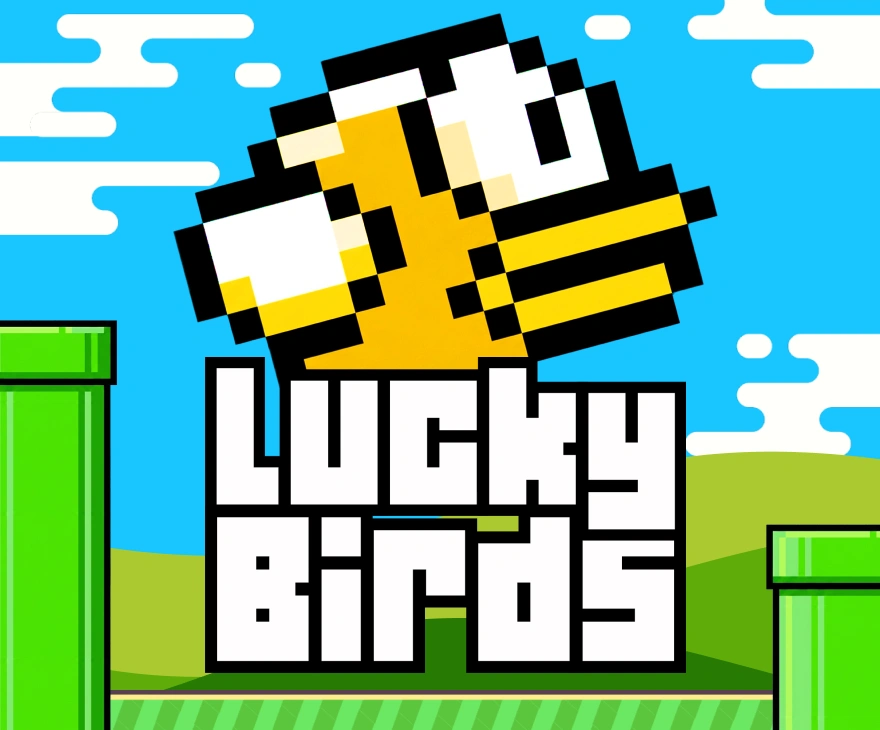
BGaming Lucky Birds Crash Game: What Players Need to Know
If you track crash games, you have probably seen how fast the format has moved from niche to mainstream. BGaming Lucky Birds is the latest entry trying to stand out in a crowded lane, and the details matter if you care about player retention, volatility, and whether a new title actually adds something useful. Why does that matter now? Because crash games live or die on simple design choices. A tiny change in timing, pacing, or theme can shape how long players stay in a session and how often they come back. And in a market where every studio wants the next sticky hit, the margin for bland is thin.
What stands out about BGaming Lucky Birds
- The crash format stays familiar, so the appeal is easy to understand.
- The theme does the heavy lifting, which is smart in a genre where mechanics can blur together.
- Session pace matters more than visuals, because crash players usually decide fast whether a game feels worth their time.
- Operator fit is part of the story, since these games need to work across casino lobbies and mobile screens.
- Feature clarity is non-negotiable, because players do not stick around for confusing rules.
Why the crash game market keeps growing
Crash games have a simple hook. A multiplier rises, and you decide when to cash out before the round ends. That loop is easy to grasp, easy to watch, and easy to share. It also creates tension without forcing players through long bonus chains or dense paytables.
That is a big reason studios keep building around the format. The product is lean. The risk is obvious. And the reward path is instant.
Crash games succeed when the decision feels clean. If the player cannot read the round in seconds, the game loses speed, and speed is the whole point.
How BGaming Lucky Birds fits the mainKeyword trend
With BGaming Lucky Birds, the hook is not just the multiplier loop. It is the packaging around it. A strong theme can make a repeated mechanic feel fresh, almost like a well-run sports team using the same playbook but changing the tempo.
That matters because the crash category is full of lookalikes. If a game does not give players a visual or emotional reason to remember it, it blends into the background. Here, the bird theme gives the title a cleaner identity than a generic number-driven interface. It does not need to rewrite the genre. It only needs to feel distinct enough to keep attention.
And that is harder than it sounds.
What players should look at before trying it
Before you jump in, check the basics. Crash games can look simple and still play very differently depending on volatility, max multiplier behavior, autoplay tools, and cash-out controls. Those details change the experience far more than the artwork does.
- Multiplier rhythm. Does the game give frequent small wins, or does it lean into long gaps and bigger swings?
- Cash-out controls. Can you set a clear exit point, or do you need to react manually every round?
- Bet sizing. Does the interface make it easy to keep stakes consistent?
- Mobile behavior. Does the game stay readable on a smaller screen?
- Round speed. Too slow, and the format drags. Too fast, and it becomes noisy.
Look, that list sounds basic. It is. But basic is where most crash games win or lose trust.
Why operators care about BGaming Lucky Birds
For operators, a new crash title is less about novelty and more about lobby fit. Does it load fast? Does it show well next to other high-traffic games? Does it give players a reason to stop scrolling? Those are the real questions.
BGaming has already built a name in casino content, so a new release can benefit from that recognition. Still, brand alone does not carry a live product. Operators want games that can hold attention without creating friction in the user journey. They also want titles that work across markets and devices (because fragmented traffic punishes clunky design).
A good crash game is like a well-built kitchen knife. It does one job, but it has to do that job cleanly every time. If it slips once, users notice.
MainKeyword lessons for the wider crash category
The bigger lesson from BGaming Lucky Birds is not that one bird-themed title will change the market. It is that crash games now compete on polish, pacing, and personality. The mechanic is no longer novel. The bar has moved.
Studios that treat the format as a quick skin swap will keep producing forgettable releases. Studios that tune the pacing and build a sharper identity have a better shot. That is where the category is headed, and it is why every new release deserves a closer look than a headline scroll.
So the real test is simple. Does this game earn a second round, or does it just pass by on theme alone?
What to watch next
If you follow crash games, watch how often studios pair a known mechanic with a tighter visual identity. That blend is likely to shape the next wave of releases. And if BGaming keeps leaning into that formula, expect more titles that try to win on readability first, flash second.
The market is crowded. The winners will be the ones that feel immediate, clear, and worth another click.