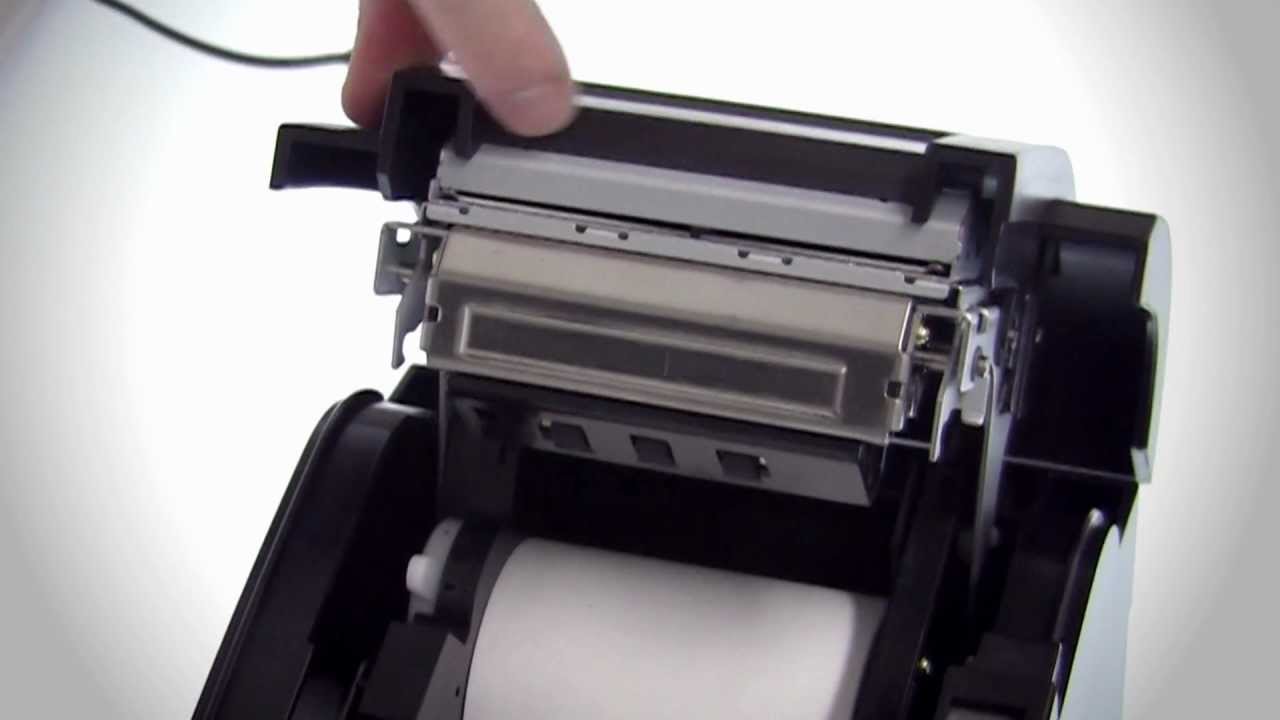
Lottery Machine Jam Turns Into a $1M Ticket Win
A broken machine is usually a headache. In this case, it turned into a jackpot-sized surprise. A player in North Carolina was buying a lottery ticket when the lottery machine jam led to an unexpected outcome, and the machine eventually spit out a ticket worth $1 million. That is the kind of story that makes you stop and ask a simple question: what happens when a routine retail glitch intersects with a high-stakes game of chance?
This matters because lottery play depends on trust, clean processing, and clear store procedures. When a terminal jams, the retailer needs to know how to reset it, document the issue, and protect the transaction. And when the outcome is a seven-figure win, the details matter even more. The incident is also a reminder that lottery retail is a strange mix of point-of-sale tech, state rules, and plain luck. Sometimes all three collide at once.
- The winning ticket came from a machine that jammed during the transaction.
- The player still walked away with a $1 million prize.
- Retail lottery systems need tight handling when hardware fails.
- These glitches are rare, but they can affect payouts and trust.
What happened with the lottery machine jam?
The report centers on a player in North Carolina who encountered a lottery terminal problem during a ticket purchase. Instead of a clean print or normal sale flow, the lottery machine jam caused the machine to misbehave before it ultimately produced a winning ticket worth $1 million. That is not a normal checkout story. It is the sort of edge case that exposes how much modern lottery sales depend on aging retail hardware.
Lottery terminals are built for volume. They print tickets fast, process sales, and connect to state gaming systems. But like any point-of-sale setup, they can jam, freeze, or spit out partial transactions. When that happens, store staff usually have to follow lottery commission procedures, not guess their way through it.
Here is the part people miss. A lottery win does not erase the operational problem. It just makes the failure visible in a much louder way.
Why the lottery machine jam matters to players
For most players, a machine jam is an inconvenience. For the winner here, it became a life-changing event. That contrast is why these stories spread so quickly. They sit at the intersection of bad hardware and big money, and that is catnip for anyone who follows gaming news.
But there is a practical angle too. If you ever buy lottery tickets at a retailer and the terminal acts up, you want staff to stop, document, and verify the sale. You do not want a sloppy restart or an unclear record. Why? Because the paper ticket is the claim. If the printout, serial number, or transaction record is wrong, the headache can move from the store counter to a state lottery office.
Think of it like a soccer referee losing the whistle for a moment. The game keeps moving, but the process gets messy fast. Lottery systems are no different. The tech has to hold up, or the rules become harder to enforce.
How retailers usually handle a lottery machine jam
State lottery retailers are trained to follow a set process when equipment fails. Exact steps vary by jurisdiction, but the basic response is familiar: pause the sale, alert management, check the terminal, and contact the lottery support line if needed. That keeps the paper trail intact and reduces the chance of duplicate sales or disputed tickets.
- Stop the transaction if the machine shows an error or jams.
- Keep the affected ticket, if one printed, and preserve the record.
- Use the retailer’s support process to reset or replace the terminal.
- Verify whether the sale completed before moving on.
- Escalate any prize claim through the state lottery’s official channel.
That last step is non-negotiable. A million-dollar ticket is not handled like a scratch-off that gets tossed in a glovebox. Winners have to validate the ticket, sign it, and follow state prize rules. The store can help with the sale history, but the lottery commission decides the claim.
What this says about lottery retail systems
A lottery terminal is not glamorous tech. It is more like the wiring behind a building than the front door. You only notice it when something fails. And when it does fail, the stakes can be bizarrely high.
Most lottery retailers run on hardware that has to stay reliable under constant use. A jam can come from worn components, bad paper feed, a software hiccup, or plain user error. The underlying point is simple. Retail lottery infrastructure needs maintenance, clean logs, and staff who know what to do when a sale does not behave.
The National Association of State and Provincial Lotteries has long treated retailer compliance as a core part of draw-game integrity. State lotteries also publish retailer rules for transaction handling and prize validation. That framework is there for a reason. Once money gets large enough, every step has to be auditable.
Why players should care
You may never win $1 million from a jammed machine. Fine. But you still benefit from a system that handles exceptions well. When retailers follow the rules, your ticket record is safer, disputes are easier to resolve, and the game stays credible.
That credibility is the whole business. Without it, a lottery is just a noisy machine printing paper.
The bigger lesson from a $1M surprise
The headline is entertaining, but the real story is more grounded. Lottery systems rely on ordinary people, ordinary stores, and ordinary machines to manage extraordinary payouts. That is a fragile setup if retailers get lazy about maintenance or if staff are not trained to treat every glitch as a documentation issue.
For readers who play occasionally, the takeaway is practical. Check your ticket, keep the receipt if your state issues one, and do not assume a problem at the counter means the sale is gone. Ask for a reprint or a supervisor if something looks off. Small steps matter.
And if a machine jams while you are buying a ticket, would you trust a rushed fix or demand a clean reset? That instinct is probably the right one.
What comes next for lottery retail
Retail lottery is moving slowly, not fast. That is not a criticism. It is the nature of a regulated cash and print business. But stories like this push operators to keep terminals serviced and staff trained, because the next jam might not produce a headline. It might produce a dispute.
The better operators will treat this as a process issue, not a lucky anecdote. That is the smarter move. The machine can glitch. The response should not.