Kyiv Secret Casino Convictions Signal Tougher Illegal Gambling Enforcement
Illegal gambling still shadows regulated markets, and that creates real risk for operators, suppliers, landlords, and payment partners. The latest Kyiv secret casino case matters because it shows how authorities are treating hidden land-based gambling inside ordinary commercial property, not some cinematic back-room setup. If you track regulatory pressure in Eastern Europe, this is the sort of enforcement action that tells you where the market is headed next.
The Kyiv secret casino convictions also land at a time when licensed gambling frameworks are under pressure to prove they can push out the black market. That matters for compliance budgets, venue screening, and partner due diligence. Look, one criminal case does not rewrite a whole sector. But it does send a blunt message about enforcement priorities.
What stands out
- Three defendants were convicted in Kyiv over a hidden casino operating in a business centre.
- The case points to continued pressure on illegal gambling in Ukraine’s regulated environment.
- Commercial landlords and service providers should treat tenant screening as a non-negotiable control.
- Licensed operators have a clear interest in stronger action against off-book rivals.
What happened in the Kyiv secret casino case
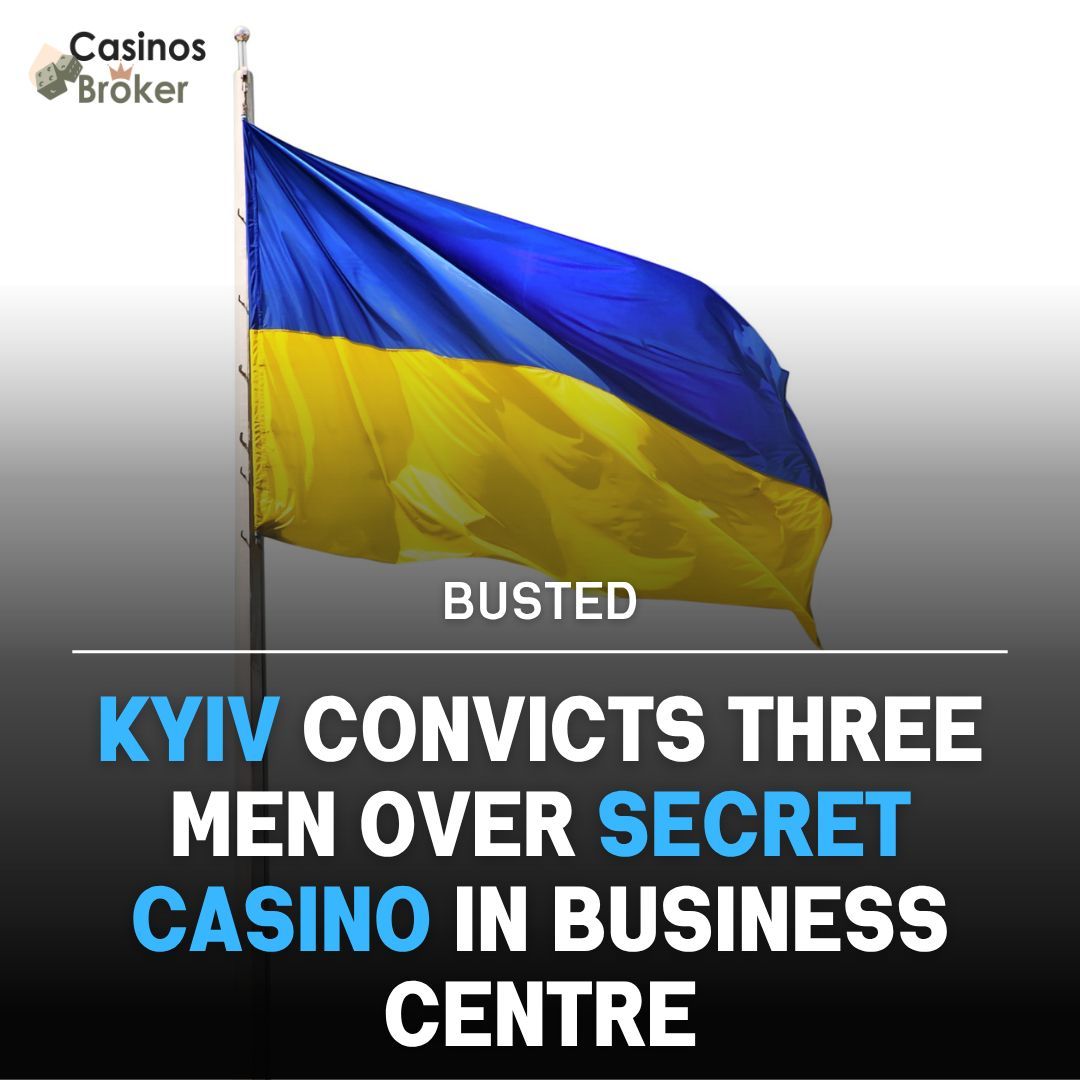
According to iGaming Business, a Kyiv court convicted three people connected to a secret casino that operated from a business centre. The basic fact pattern is familiar in gambling enforcement. A venue presents itself as something ordinary, while real gambling activity happens behind that front.
But the location is the detail worth watching. A business centre is not an isolated venue on the edge of town. It is shared commercial space, with foot traffic, neighboring tenants, building management, and usually some paper trail. That makes this case harder to dismiss as a one-off stunt by fringe operators.
Illegal gambling survives when ordinary business infrastructure lets it blend in. That is why this Kyiv case matters beyond the three convictions themselves.
Here is the bigger point. Hidden gambling in mainstream commercial property exposes weak controls in places that should already have them.
Why the Kyiv secret casino convictions matter for the market
Ukraine has spent years trying to formalize gambling after re-regulation, while still dealing with tax friction, wartime disruption, and persistent black-market activity. In that context, the Kyiv secret casino convictions are not just a local crime story. They are part of the long fight between licensed businesses and illegal supply.
Why should a legal operator care? Because illegal venues distort everything. They dodge licensing costs, ignore safer gambling rules, and often bypass tax and reporting duties. That is like asking a regulated restaurant to compete with an unlicensed kitchen that never faces inspection. The prices look better. The risk is pushed onto everyone else.
And yes, regulators know that.
For licensed brands, stronger enforcement can be a net positive even when it creates more paperwork. It removes unfair competition and gives the legal market a better shot at winning consumer trust.
Who should pay attention
This is not only a story for prosecutors and casino executives. Several groups should read it closely.
- Landlords and property managers
Shared office and retail sites can become cover for illegal gambling if leasing checks are weak or ignored. - Payment and fintech firms
Suspicious merchant behavior, strange cash patterns, or opaque business activity should trigger scrutiny. - Licensed operators
Black-market crackdowns can shift player behavior fast, especially if legal alternatives are visible and trusted. - Compliance teams
Cases like this help define where regulators expect practical controls, not box-ticking exercises.
What this says about compliance in Ukraine
Honestly, one of the oldest myths in gambling regulation is that illegal operations are easy to spot. They often are not. The smarter ones borrow legitimacy from ordinary settings, routine leases, and front-facing businesses that look harmless on paper.
That means compliance cannot stop at the license holder. It extends to the wider chain around the venue, including property owners, corporate service providers, local managers, and financial rails. If one link shrugs, the whole structure gets easier to abuse.
Practical checks that matter
- Verify the real use of leased premises, not just the stated business activity.
- Review beneficial ownership and control structures for unusual opacity.
- Monitor payment flows for patterns that do not match the declared business model.
- Investigate customer complaints, neighbor reports, or odd foot traffic at commercial sites.
- Document escalation steps so suspicious activity does not die in someone’s inbox.
None of this is glamorous. It is the plumbing. But compliance often works like building maintenance. If you ignore the pipes, you notice the problem only after the ceiling caves in.
What licensed operators can do next
If you operate legally in or around Ukraine, this case is a good prompt for a fresh internal review. Not a panic. A review.
Start with your market map. Where are illegal competitors likely pulling demand, and which customer segments are most exposed to them? Then look at whether your legal product is easy to find, easy to trust, and easy to use. Black markets thrive when legal channels are slow, confusing, or overpriced.
There is also a public-policy angle here. Operators and trade bodies should keep pressing for visible enforcement, cleaner tax rules, and faster action against unlicensed gambling fronts. A regulated market cannot grow on paper alone. It needs real deterrence.
The wider message from this enforcement action
The Kyiv case fits a pattern seen across regulated gambling markets. Authorities increasingly go after the support systems around illegal gambling, not just the obvious organizers. That includes premises, processors, facilitators, and anyone else who helps an unlawful venue look normal.
Could this approach intensify? It would be surprising if it did not.
That is where the pressure lands hardest on commercial partners who once assumed gambling risk sat somewhere else. It does not. If your property, payment flow, or service stack helps hide an illegal venue, you are already part of the story, whether you planned to be or not.
What to watch after the Kyiv secret casino convictions
The next signals will matter more than the headline itself. Watch for follow-up enforcement against similar venues, added scrutiny on business-centre leases, and tougher expectations for due diligence across adjacent sectors. Also watch whether regulators pair enforcement with clearer guidance. That is how a market moves from reactive policing to actual control.
The black market rarely disappears in one sweep. But each visible prosecution raises the cost of pretending no one noticed. If Ukraine keeps that pressure steady, licensed operators may finally get a fairer fight.