
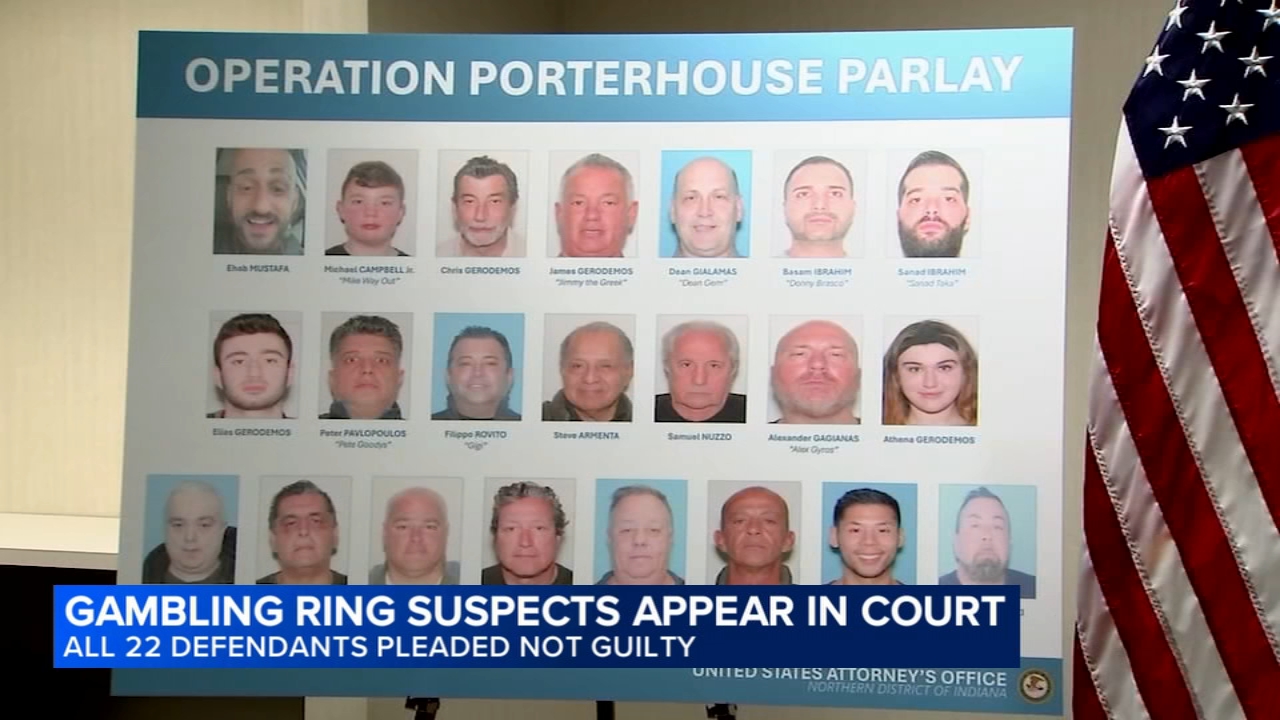
Indiana Gambling Ring Case: 22 Defendants Plead Not Guilty
If you follow gambling enforcement in the Midwest, the Indiana gambling ring case matters for one simple reason. It shows how state and federal scrutiny can hit alleged illegal operations all at once, with broad charges and a long list of defendants. That kind of case can shape how operators, payment partners, and local businesses assess risk.
In this latest turn, 22 people pleaded not guilty in a case tied to what prosecutors say was an illegal gambling network in Indiana. The plea does not decide guilt or innocence. It sets up the next phase, where the government will have to prove its allegations in court. And for anyone watching gaming regulation, this is the part worth tracking now. Cases like this often reveal how investigators build conspiracy, money laundering, and illegal gambling counts into a single prosecution.
What stands out
- Twenty-two defendants entered not guilty pleas in the Indiana gambling ring case.
- Prosecutors allege the operation involved illegal gambling activity and related financial conduct.
- The case now moves from charging headlines to the harder question of evidence.
- Indiana enforcement pressure remains real for unlicensed gambling activity.
What happened in the Indiana gambling ring case
According to GamblingNews, 22 defendants pleaded not guilty after being charged in connection with an alleged Indiana gambling ring. That plea is standard in many large criminal cases. It preserves each defendant’s right to challenge the government’s claims and forces prosecutors to make their case through filings, hearings, and, if needed, trial.
Look, mass indictments always generate noise. But the legal signal is usually in the structure of the charges. Prosecutors tend to build these cases around patterns, who ran what, who handled money, who recruited participants, and how the alleged business was kept going over time.
Not guilty pleas are not a surprise in a case this large. They are the opening move in a long legal fight.
Why the Indiana gambling ring case matters beyond Indiana
Illegal gambling prosecutions are rarely just about wagers. They often test the state’s reach over cash flow, recordkeeping, and the business relationships surrounding an operation. That is why this case deserves more than a quick headline read.
Think of it like a building inspection. Investigators do not just check the front door. They look at wiring, permits, load-bearing walls, and every shortcut hidden behind the drywall. Gambling cases can work the same way, especially when authorities suspect an organized setup rather than isolated conduct.
The broader point is simple.
When a case names more than a handful of defendants, it can put pressure on everyone connected to the alleged operation. Venue owners, financial intermediaries, and support staff can all face scrutiny, even if their exact roles differ.
What prosecutors usually need to prove
The source report centers on the pleas, not a full evidentiary breakdown. Even so, cases like the Indiana gambling ring case usually rise or fall on a few recurring issues. Was there an illegal gambling business under state or federal law? Who knowingly participated? How was money collected, moved, or concealed?
That means the courtroom fight may turn on records, communications, surveillance, and witness testimony. And yes, intent. A defendant may argue they lacked knowledge of illegal activity, while prosecutors try to show the opposite through patterns and paperwork.
Common pressure points in gambling prosecutions
- Operational control
Who made decisions, set rules, or directed others? - Money trail
Were there bank records, cash movement, or transfers that support the allegations? - Knowledge and intent
Did defendants know the business was illegal, or were they too far removed? - Communication evidence
Texts, calls, and internal messages often matter more than public-facing claims.
What this means for operators and local partners
If you run any gambling-adjacent business, this case is a reminder that licensing lines are non-negotiable. Indiana has a regulated gaming market, but that does not create room for side operations outside the legal framework. Plenty of people still act as if gray-market activity stays local and low-profile. Honestly, that is a bad read.
Enforcement tends to gather momentum in waves. A local probe can become a wider case once financial records, cooperating witnesses, or digital evidence start to line up. And once prosecutors frame a network instead of a single actor, the exposure can widen fast.
Practical risk checks
- Confirm every gambling-related activity fits state licensing rules.
- Review payment flows for unusual cash handling or third-party transfers.
- Document vendor and partner due diligence.
- Train staff to escalate legal and compliance concerns early.
What happens next in the Indiana gambling ring case
After not guilty pleas, the case usually moves into pretrial procedure. That can include discovery, motions, scheduling disputes, and possible efforts to narrow or dismiss some charges. In a case with 22 defendants, timing alone can become a fight.
Could some defendants eventually seek plea deals while others push toward trial? Of course. That is common in large conspiracy-style prosecutions, especially when roles and evidence are uneven from one person to the next.
But here is the thing. The initial charge list often looks strongest on day one, while the actual case gets tested later under a stricter lens. Judges, defense lawyers, and juries care about specifics, not headlines.
Why this case fits a bigger enforcement pattern
States across the US keep trying to separate legal, taxable gaming from unlicensed play that sits outside consumer protections and oversight. Indiana is hardly alone there. Regulators and prosecutors tend to focus on operations they see as organized, persistent, and profitable, particularly when the alleged conduct appears tied to structured cash movement or coordinated management.
That does not mean every allegation sticks. It does mean authorities are willing to bring large, visible cases when they think they have the evidence. For the legal gambling industry, that is mostly a sign that licensed channels still get the state’s backing. For anyone operating outside them, it should land as a warning shot.
What to watch from here
The next useful updates will not be dramatic. They will be procedural. Watch for motions about evidence, attempts to separate defendants, and any court filings that reveal how prosecutors say the alleged operation worked in practice. Those details matter far more than the opening plea.
And if you cover gambling policy or compliance, keep one question in view. Is this just a large local prosecution, or the kind of Indiana gambling ring case that pushes lawmakers and regulators to tighten enforcement even further?


)