IG Group and Prediction Markets: The Billion-Dollar Underdog Bet
IG Group is not usually the company you associate with a wild punt. That is why its move into prediction markets matters. The broker knows its core business, but this market sits in a different lane, with different rules, different users, and a very different risk profile. If you are tracking where trading, betting, and event contracts are heading, this is one of the cleaner signals yet that the category is moving from niche chatter to serious commercial interest.
Why does that matter now? Because the boundary between financial speculation and betting keeps getting thinner, and firms with scale are starting to test how much demand sits on the other side. IG Group has the brand, the customer base, and the market access to make a real run at it. But scale alone does not make this easy. The product has to be simple, trusted, and legally tight. That is a hard combination to get right.
What stands out about this prediction markets move
- IG Group brings distribution. That is the biggest asset here. New products die fast without reach.
- Prediction markets are still early. That creates upside, but also confusion around rules and use cases.
- The category overlaps with betting and trading. That overlap can help adoption, and it can also invite scrutiny.
- User experience will decide a lot. If the product feels clunky, traders will leave.
- Regulation is the real gatekeeper. Commercial ambition only goes so far if the legal frame is shaky.
Think of it like opening a new kitchen in a restaurant that already has a loyal crowd. You have traffic. You have trust. But if the new menu item needs different equipment, different ingredients, and different compliance checks, the whole operation gets harder fast.
Prediction markets do not win because they are loud. They win when they feel clean, credible, and useful in five seconds or less.
What are prediction markets, really?
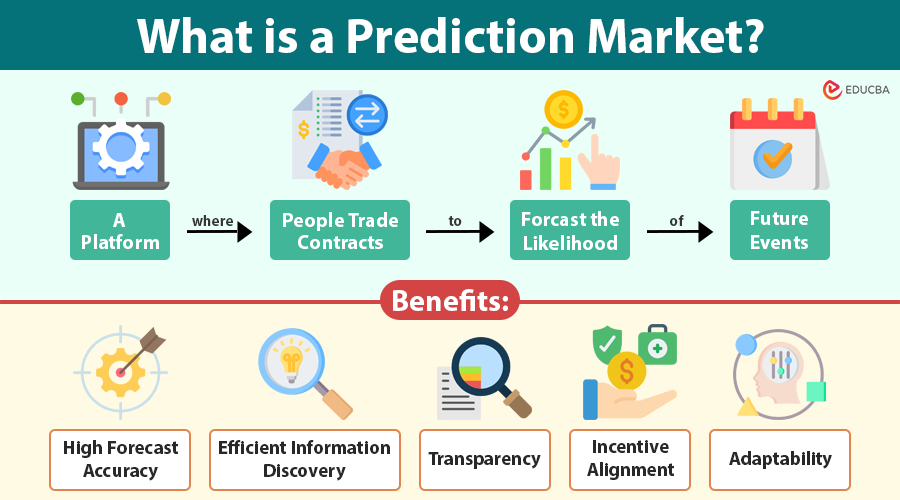
Prediction markets let users trade on the outcome of future events. Those events can be political, economic, sports-related, or tied to public milestones. The basic pitch is simple. You buy a position if you think an event will happen, and you sell if you think it will not.
That simplicity is the hook. But the mechanics matter. Some platforms treat these as financial-style event contracts. Others lean closer to betting products. And that distinction is not academic. It affects licensing, market access, and what kind of customer each platform can legally serve.
Why prediction markets fit IG Group’s playbook
IG Group has spent years serving active traders. That matters because prediction markets reward users who already understand risk, price movement, and fast decision-making. The company is not starting from zero. It already knows how to onboard customers, manage products under pressure, and operate in regulated markets.
There is another reason this makes sense. Prediction markets can act like a bridge product. They pull in users who want a more direct, event-based way to express a view without opening a full trading terminal. That is a real product gap, and companies that spot gaps early often get the best shot at share.
But here is the catch. A bridge product still has to carry traffic both ways. If the offer feels too much like betting, some traders will not touch it. If it feels too much like finance, casual users may not care. Who is the customer, exactly? That is the question every operator has to answer first.
Where the billion-dollar story comes from
The billion-dollar framing is not about one launch, one quarter, or one market. It is about the size of the prize if prediction markets become a mainstream way to trade opinions on events. That would mean deeper liquidity, broader participation, and more frequent use across major news cycles.
Still, the jump from buzz to revenue is not automatic. Products in this space need repeat usage. They need trust. They need enough event variety to keep people engaged without turning into a mess of thin markets. That balance is hard. Very hard.
IG Group’s edge is that it can test the category with less fragility than a start-up. It has capital. It has compliance muscle. It has operating experience. Those three things do not guarantee success, but they do improve the odds.
What could slow the rollout
- Regulatory friction. Prediction markets can sit in a gray zone depending on jurisdiction and product design.
- Market depth. Without enough buyers and sellers, prices get noisy and user trust drops.
- Customer confusion. If users do not understand the product in seconds, conversion suffers.
- Brand risk. A respected broker has more to lose if the launch looks sloppy.
- Competitive response. Other operators can copy the surface idea quickly, even if they cannot match the infrastructure.
That last point matters more than people admit. In this business, the first mover rarely owns the category forever. They just prove there is demand. The second mover often shows up with a cleaner interface and fewer mistakes.
Prediction markets and the wider industry
The bigger story is not just IG Group. It is the way the sector keeps borrowing ideas from adjacent markets. Exchanges borrow from sportsbooks. Sportsbooks borrow from trading apps. Everyone wants more frequency, more engagement, and more retention.
That convergence is messy, but it is real. And it raises a practical question for the next wave of platforms: are they building financial products with entertainment appeal, or betting products with trading language? The answer shapes everything from licensing to marketing to product design.
For operators, the lesson is plain. If you enter prediction markets, you need a narrow product focus first. Pick the events, the audience, and the regulatory lane. Then build around that, not the other way around.
What to watch next in prediction markets
Watch three things. First, whether IG Group keeps the product close to its core trading audience or opens it up to a broader crowd. Second, whether the firm treats this as an experiment or a lasting line of business. Third, whether regulators start drawing clearer lines around event-based contracts.
If those lines firm up, the market gets easier to price and easier to sell. If they do not, only the best-capitalised firms will keep pushing.
And that is where the real contest starts. Not with the launch. With the staying power.
What this means for the next move
IG Group is making a calculated bet that prediction markets can grow from side curiosity into a meaningful product line. That is sensible. It is also risky. The firms that win here will not be the loudest ones. They will be the ones that make the product feel obvious, legal, and worth coming back to.
Look at the space now and ask yourself this. Which platform will make prediction markets feel as normal as checking a live price? That answer will tell you who is actually building a future business, not just testing the waters.