Hard Rock Responsible Gambling Push Expands PlayersEdge
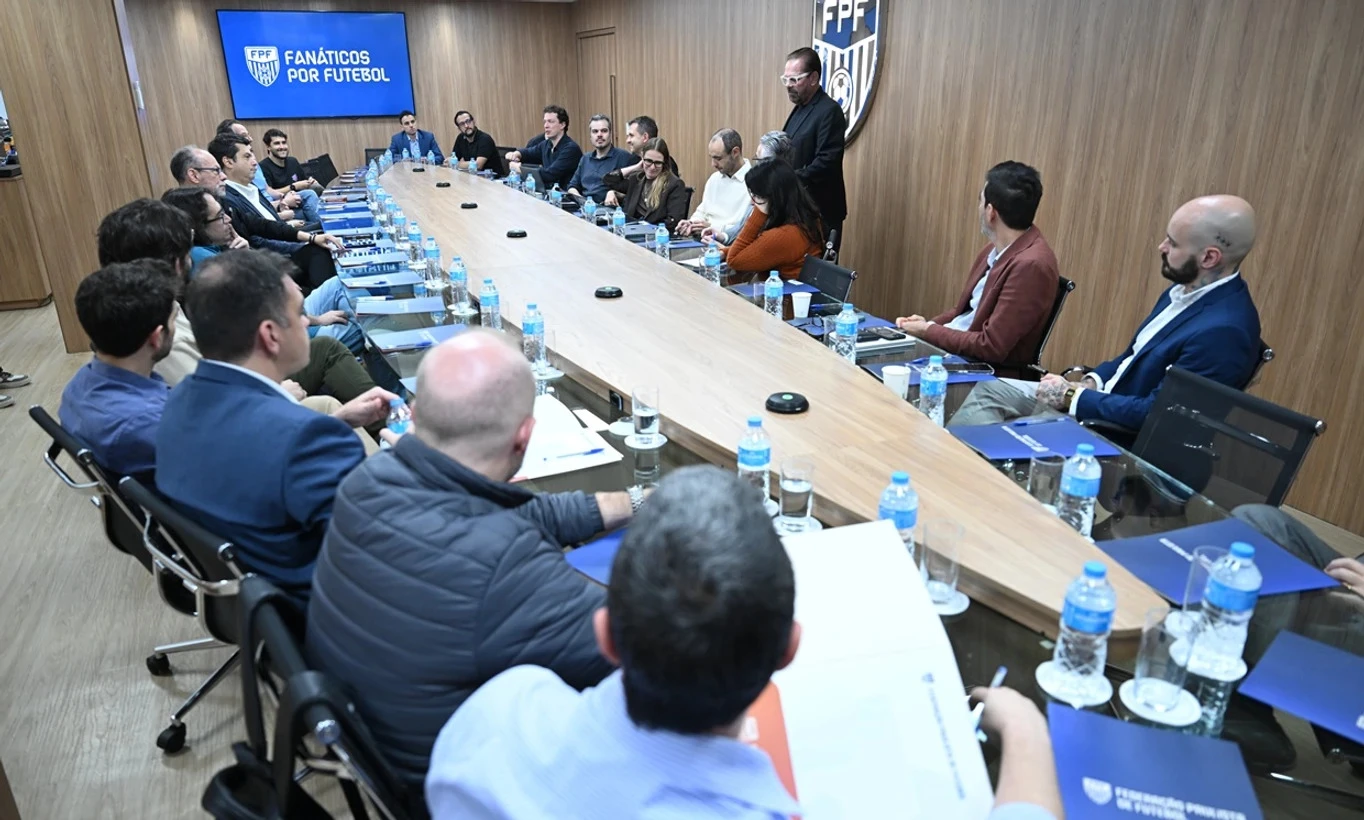
You can feel the pressure building across the gaming industry. Operators want growth, regulators want proof, and players want gambling tools that are easy to understand before problems start. That is why Hard Rock responsible gambling work deserves attention this month. According to a PR Newswire announcement, Hard Rock International and Seminole Gaming are marking Responsible Gambling Education Month by expanding their PlayersEdge initiatives across their gaming footprint. The timing matters. Sports betting, iGaming, casino loyalty programs, and cashless payments have made gambling more available and more personal. That raises the bar for education. A poster near the cage no longer cuts it. Players need plain guidance, staff need repeatable training, and companies need to show that safer play is built into daily operations, not saved for a September campaign.
What Stands Out
- Hard Rock International and Seminole Gaming are expanding PlayersEdge during Responsible Gambling Education Month.
- The program focuses on player education, staff awareness, and practical safer gambling habits.
- PlayersEdge aims to speak to guests before gambling becomes harmful, not only after a crisis.
- The move fits a wider industry shift toward measurable responsible gaming programs.
- Clear language may be the program’s strongest asset, since many players ignore jargon.
What the Hard Rock Responsible Gambling Expansion Means
The PR Newswire release frames PlayersEdge as an industry-leading responsible gambling program from Hard Rock International and Seminole Gaming. That phrasing is expected in a corporate announcement, but the direction is still worth tracking. The program is built around education, safer play messaging, and employee engagement across casino operations.
Here’s the thing. Responsible gambling works best when it appears before the customer is under stress. If the first serious message a player sees comes after a loss spiral, the operator has waited too long. Better programs show up earlier, at sign-up, on property, in digital accounts, and through trained staff who know how to respond without sounding like security guards.
Responsible gambling should feel less like a compliance poster and more like a house rule everyone understands.
PlayersEdge has long tried to use direct language around odds, risk, bankroll decisions, and signs of harmful play. That matters because gambling education often fails by sounding clinical. The player does not need a lecture. They need a quick answer to a simple question: am I still playing for entertainment, or am I chasing?
Why Hard Rock Responsible Gambling Messaging Matters Now
September is Responsible Gambling Education Month in the United States, a campaign promoted by the American Gaming Association to push training, public awareness, and operator accountability. The calendar helps, but one month is not enough. The real test comes in October, December, and March Madness, when marketing noise gets louder.
Hard Rock and Seminole Gaming sit in a visible position because their brands reach casino players, hotel guests, entertainment customers, and, in some markets, sports bettors. That creates a broad audience. It also creates a duty to keep the message consistent across channels.
One weak link can undo the whole system.
Think of it like a restaurant kitchen. The chef can set the menu, but if the line cooks, servers, and hosts do not follow the same food safety habits, the diner still gets sick. Responsible gambling works the same way. Corporate policy matters, but floor staff, VIP hosts, marketing teams, and digital product teams carry the program in real life.
What PlayersEdge Should Do Well
A safer gambling program does not need to scare every customer. It needs to make limits, breaks, and self-checks feel normal. PlayersEdge appears designed around that idea, based on the company’s public description of its education-first approach.
1. Explain risk in plain English
Players do not need probability charts at every slot bank. But they do need clear reminders that gambling outcomes are uncertain and that past losses do not make a future win more likely. That sounds basic, yet it is one of the most common misconceptions on casino floors.
2. Train employees to spot stress signals
Staff training is often where responsible gambling programs either become real or become theater. Employees should know what to do if a guest says they cannot stop, asks for credit under pressure, or shows visible distress. They also need scripts that feel human, because awkward interventions help nobody.
3. Put help tools where players actually are
Information should live in loyalty accounts, mobile apps, gaming areas, hotel spaces, and customer service touchpoints. If a player has to search five pages deep to find limit tools or support resources, the design has failed. Friction is the enemy here (and yes, operators know how to remove friction when deposits are involved).
4. Avoid treating VIPs as exceptions
This is the uncomfortable part. High-value customers can be the hardest group to protect because they receive the most attention and incentives. A serious program must apply safer gambling principles to every player tier, including the customers who receive trips, gifts, and personal hosts.
What Regulators and Partners Will Watch
Regulators are no longer satisfied with vague responsible gaming language. They increasingly want evidence of training, escalation procedures, advertising controls, and self-exclusion processes. Operators that can document their work will be in a stronger position when rules tighten.
For Hard Rock and Seminole Gaming, the PlayersEdge expansion also has brand value. That is not a dirty phrase. Good policy and good business can overlap. A company that builds trust with guests, lawmakers, tribal partners, and community groups lowers its long-term risk.
- For players: look for clear limit-setting options, self-exclusion information, and reminders about time and spend.
- For staff: ask whether training includes real scenarios, not only annual slides.
- For regulators: measure outcomes, updates, and follow-through, not press release language.
- For affiliates and media partners: match safer gambling standards in promotional copy and bonus coverage.
The Hard Rock Responsible Gambling Test
The strongest part of this announcement is the focus on education. The weakest risk is the same one every operator faces: making responsible gambling visible while still selling gambling aggressively. Can both exist in the same building? Yes, but only if safer play is treated as an operating standard rather than a seasonal theme.
Hard Rock and Seminole Gaming have the scale to influence how other casino groups talk about responsible gambling. If PlayersEdge keeps moving toward plain language, active staff training, and player tools that are easy to find, it could raise expectations across the market. If it becomes another badge on a website, players will see through it fast.
What Comes Next
The practical next step is simple. Watch whether Hard Rock and Seminole Gaming report more detail after Responsible Gambling Education Month ends. Training numbers, tool adoption, player feedback, and program updates would tell the industry far more than slogans. Responsible gambling is moving from public relations to proof, and the operators that understand that shift will set the pace.