Dutch iGaming Ad Ban and Bonus Limits Under Review
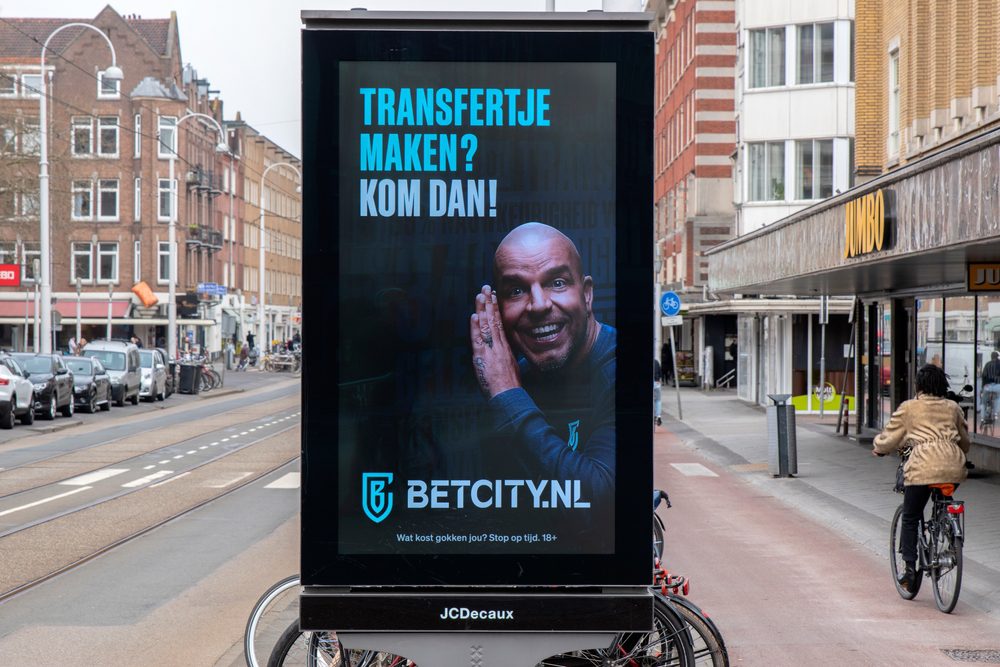
The Dutch market is heading into another hard reset, and Dutch iGaming ad ban proposals are right at the center of it. Lawmakers are weighing tighter rules on advertising and a possible ban on bonuses, which would hit the way licensed operators acquire players and keep them engaged. That matters now because the Netherlands already tightened online gambling marketing in stages, and this next step could push the market even further away from flashy promotions and toward plain, expensive compliance.
For operators, this is not a small policy tweak. It could change media buying, affiliate deals, and bonus-led acquisition overnight. For players, it could mean fewer incentives on offer and less noise in the market. And for regulators, it is another test of how far they want to go in shaping behavior rather than just policing it.
What the Dutch iGaming ad ban could change
- Bonus-led promotions could disappear or face tighter limits.
- Paid advertising across digital channels may shrink again.
- Affiliate traffic could take a direct hit if bonuses vanish.
- Licensed operators may need to shift budgets to retention and brand work.
- Player choice could narrow, especially for new sign-ups.
The key issue is simple. If you strip out bonuses, you remove one of the main tools operators use to convert curious visitors into active users. That is not theory. It is basic market behavior. A sportsbook without a welcome offer is like a restaurant with no menu photo, no tasting plate, and no sign outside. People can still walk in, but fewer will bother.
Why lawmakers are pushing harder
Supporters of stricter rules usually point to consumer protection. They argue that aggressive advertising and bonuses can pull in vulnerable players and make gambling look easier or safer than it is. The Dutch regulator, Kansspelautoriteit, has already backed a tighter approach in recent years, especially around ad exposure and young adults.
When regulators keep trimming the same market, they are usually sending a message. Growth is no longer the priority. Control is.
That shift has a price. If the legal market becomes too difficult to market, some players may drift to unlicensed sites that still advertise freely or offer bigger deals. That is the tension lawmakers keep running into. How do you protect consumers without making the licensed market less appealing than the black market?
Dutch iGaming ad ban and the operator playbook
Operators that rely on acquisition-heavy models will feel this first. Bonus bans force a cleaner funnel. More money has to go into brand trust, search visibility, customer service, and product quality. And that is a harder game to win.
Here is what smart operators will likely do next:
- Audit every paid channel and cut campaigns that depend on bonus messaging.
- Rework onboarding so the product value is clear without a sign-up incentive.
- Push retention with app experience, live content, and account tools instead of cash offers.
- Review affiliate contracts to remove bonus-driven language before rules land.
- Plan for regulatory churn because this debate will not stop at one vote.
And yes, affiliates will need to adapt fast. Sites built around welcome offers and promo codes will have less to say if those offers are restricted. That means more pressure on comparison content, game information, and responsible gambling material. The easy clicks may dry up.
What players should expect from a tighter market
For players, the near-term impact is usually less exciting than the marketing debates suggest. You may see fewer bonus offers, fewer headline promos, and less aggressive ad clutter. Some people will welcome that. Others will see it as less value.
But the bigger question is whether a cleaner market feels better in practice. If licensed brands become dull and expensive to join, do players stay put? Or do they look elsewhere?
That is the real test. Not the press release. Not the political speech.
Where this could go next
The Netherlands is still one of Europe’s most closely watched regulated markets, so any move on a Dutch iGaming ad ban will ripple outward. Other regulators will watch whether stricter ad limits reduce harm, shrink legal revenue, or simply push demand out of bounds. That is the pressure point.
Look, the market is moving toward a stricter, more sober model. Operators that still build their plans around bonus-heavy acquisition are behind already. The next round of rules may just make that impossible to ignore.
And that leaves one question hanging over the whole debate: if bonuses and ads keep getting squeezed, what will the Dutch market compete on next?
What operators should do before the rules move again
Do not wait for the final text. Stress-test your Dutch plan now. Check whether your media mix, affiliate model, and CRM flows still work if welcome bonuses disappear. If they do not, you have a problem already.
Practical next step: build a stripped-back acquisition model that can survive with less promotional noise. If that version looks weak, the current one is probably too dependent on incentives.