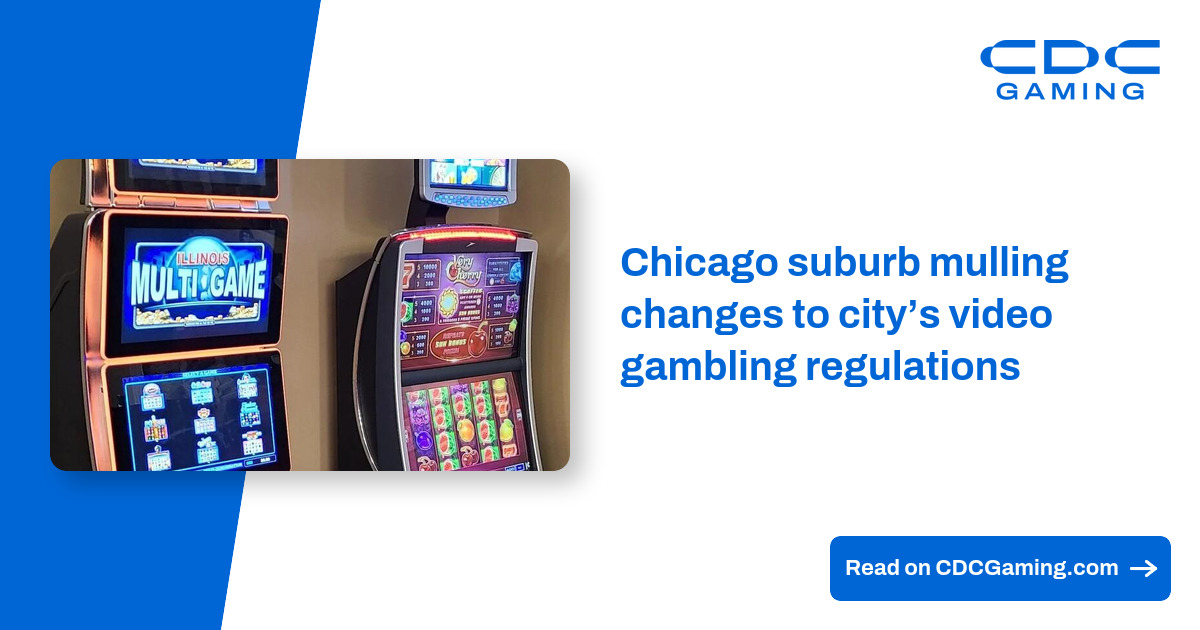
Batavia Video Gambling Regulations: What the Council Debate Means
If you run a bar, restaurant, or gaming venue in Batavia, the video gambling regulations discussion is not a side issue. It affects floor space, licensing, enforcement, and how much money can flow through local terminals. And if you are a resident, the debate touches a different nerve. How much gambling access should a city allow, and who should carry the risk when the rules get loose?
Batavia’s council is doing what local governments often do when gaming gets bigger than the original promise. It is trying to balance revenue against control. That sounds tidy on paper. In practice, it means the city has to decide how much oversight it wants, how hard it wants to push back on violations, and whether existing rules still make sense for a market that keeps changing.
What stands out in the Batavia video gambling regulations debate
- The city is weighing more than tax revenue. Enforcement, neighborhood impact, and business compliance all matter.
- Operators want clarity. Vague rules create risk for owners who invest in machines, staff training, and licensing.
- Local regulation can move faster than state rules. That makes council decisions especially important for day-to-day business.
- These debates usually turn on details. Hours, location limits, and penalty structures can matter more than headlines.
Why video gambling regulations matter now
Local video gambling rules can shape the market as much as the terminals themselves. A city can set the tone for who participates, where machines can operate, and how aggressively it will police violations. That is a big deal for small businesses that treat gaming revenue as a stabilizer, especially when margins are thin and foot traffic is uneven.
Look at it like kitchen design in a busy restaurant. Move one station, and everything changes. The same is true here. Adjust a permit rule or a compliance standard, and owners may need to change layouts, staffing, or even whether they keep the machines at all.
“The real fight is usually not about whether gambling exists. It is about who gets to manage the fallout.”
That is the part many city debates skip. Revenue is easy to count. The harder questions involve problem gambling exposure, code enforcement, and whether police or licensing staff have enough tools to act fast when someone breaks the rules.
How council decisions usually affect businesses
For operators, the details of video gambling regulations can be the difference between steady income and a compliance headache. Owners need to know what the city expects before they spend money on equipment, build-outs, or legal review.
1. Licensing and permit rules
Licensing often decides who can participate at all. If the city tightens permit standards, smaller venues may get pushed out. If it keeps the process simple, more businesses can join, but oversight gets harder.
2. Location and spacing limits
Cities often use distance rules to separate gaming terminals from schools, churches, or other sensitive sites. That may sound basic, but it can reshape where operators can open. One rule can wipe out a profitable corner lot.
3. Enforcement and penalties
If penalties are too weak, bad actors treat them as a cost of doing business. If they are too steep, compliant businesses can feel punished for minor mistakes. Smart video gambling regulations find a middle ground and make the enforcement path plain.
What residents should watch in the final rules
Residents should focus on three things. First, whether the city sets clear limits on machine density. Second, whether it gives inspectors enough authority to verify compliance. Third, whether the city explains how it will use any revenue tied to gambling activity.
That last point matters. People are more likely to support local gaming rules when they can see where the money goes. Streets, public safety, or youth programs tend to make a stronger case than a vague budget line.
- Ask how violations will be tracked. If there is no clean audit trail, enforcement gets sloppy.
- Ask whether revenue forecasts are realistic. Cities sometimes count on money that never arrives at the expected level.
- Ask who benefits most. A good policy should not leave the public carrying the downside while a few operators collect the upside.
What makes a strong local gambling policy?
Strong video gambling regulations are usually simple enough for businesses to follow and firm enough for the city to enforce. That means clear definitions, realistic penalties, and regular review. It also means the council should avoid rules that sound tough but are nearly impossible to administer.
Honestly, that is where a lot of local policy goes sideways. Officials write for headlines. Then staff has to enforce a mess.
A better approach is boring, precise, and repeatable. Define the rules. Explain the penalties. Give owners a path to fix mistakes. Then check whether the policy is actually doing what the city said it would do.
Where this leaves Batavia
Batavia’s next move will tell you whether it wants a controlled gaming model or a looser one. Either choice has costs. The real test is whether the council can defend its rules without hiding behind revenue talk or fear talk. Can it make the system fair, readable, and enforceable at the same time?
If the answer is yes, other suburbs will be watching. If not, the city may end up with a rulebook that looks tidy and works badly. That is the kind of policy mistake that lingers.
Keep an eye on the final ordinance language. That is where the real story lives.